Destination briefing
Why travelers stop here
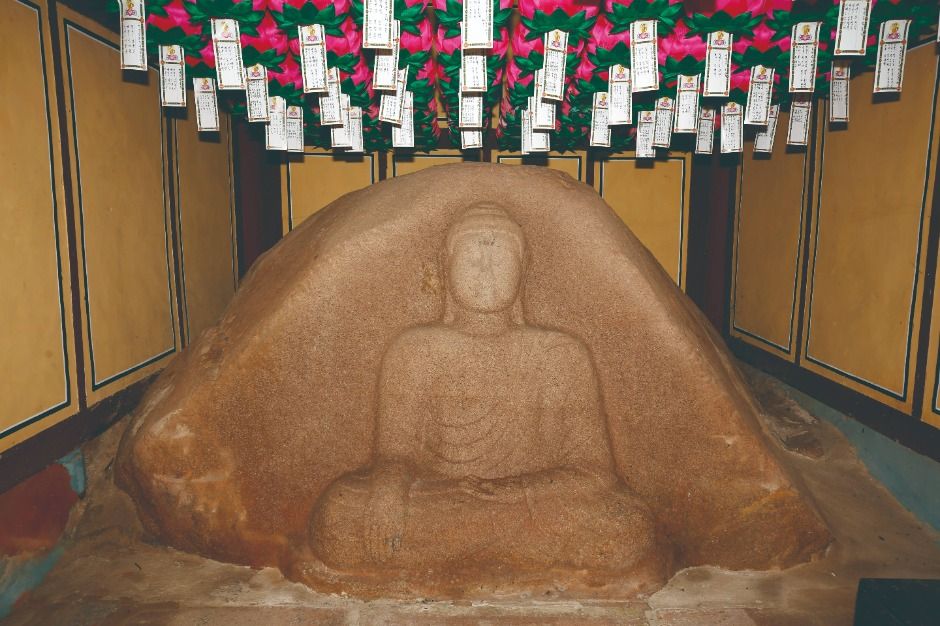
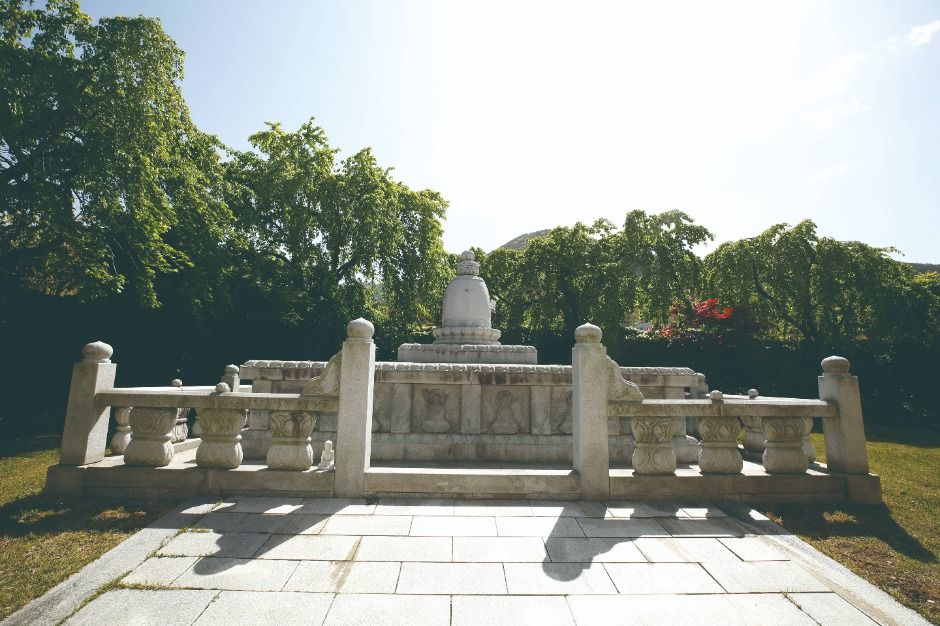
Doseongam is a temple located at the foot of Hwawangsan Mountain, serving as a branch temple of Tongdosa, the head temple of the 15th diocese of the Jogye Order of Korean Buddhism. It is said to have been founded by the eminent monk Jiweol Seonsa in the 2nd year of King Hyeondeok (810) of the Silla Dynasty, but this is not certain, and nothing is known about its subsequent history. During the Joseon Dynasty, it was completely destroyed by fire during the Japanese invasions (Imjin Waeran), leaving only its site. It was later rebuilt because a hermitage in Jahagol Valley of Hwawangsan Mountain was believed to be located in a place with poor feng shui, causing various disasters to the villagers below, and the reconstruction was intended to prevent this. Passing under the stairs of Bojeru Pavilion, which also serves as a bell pavilion, you will find Daeungjeon Hall in the center of the temple grounds. To the right of Daeungjeon is a monks' quarters that was once used as Chilseonggak, and on the retaining wall next to it stands Samseonggak. Doseongam, relying on the majestic power of Amitabha Buddha, is situated halfway up Hwawangsan Mountain, known as the main mountain of Changnyeong and a scenic spot, and has been reborn as a sacred site for chanting prayers seeking mysterious self-nature. The Stone Seated Amitabha Buddha statue in Daeungjeon is designated as a tangible cultural heritage.
OTA-ready stop
Built into inbound routes and day-tour planning.
Local context
경상남도 창녕군 창녕읍 자하곡길 147 (창녕읍)
Travel fit
Attraction · Gyeongsangnam-do



![[Early bird] Elysian Gangchon Ski Tour from Seoul (5 pick-up points)](/_next/image?url=https%3A%2F%2Fadmin.holidaykr.com%2Fapi%2Fadmin%2Fsystem%2Fbasic-settings%2Ffavicon%3Fpath%3D%252Fuploads%252Fproducts%252Fthumbs%252F750_1785201339504_file1.jpg&w=3840&q=75)