Destination briefing
Why travelers stop here
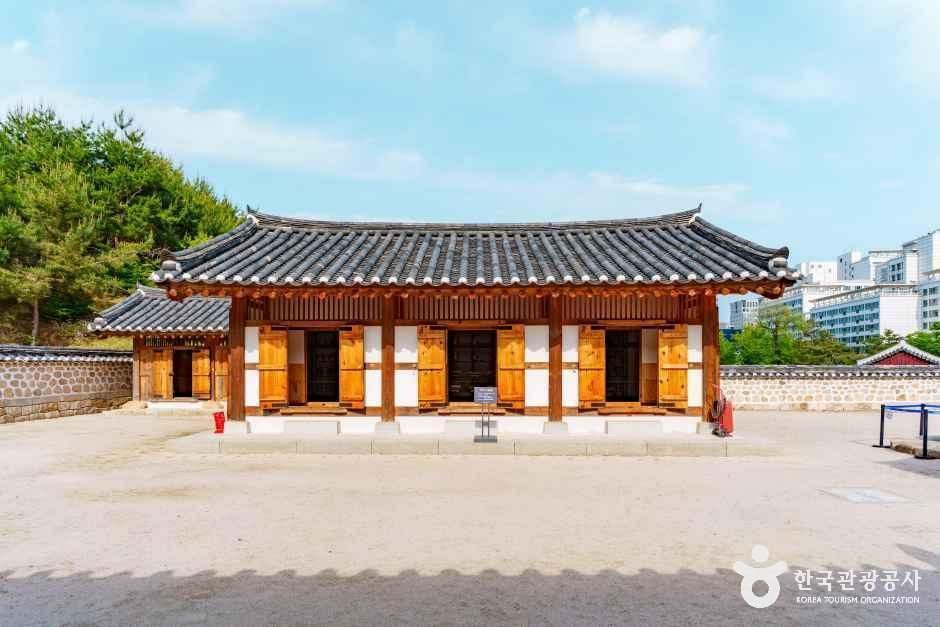
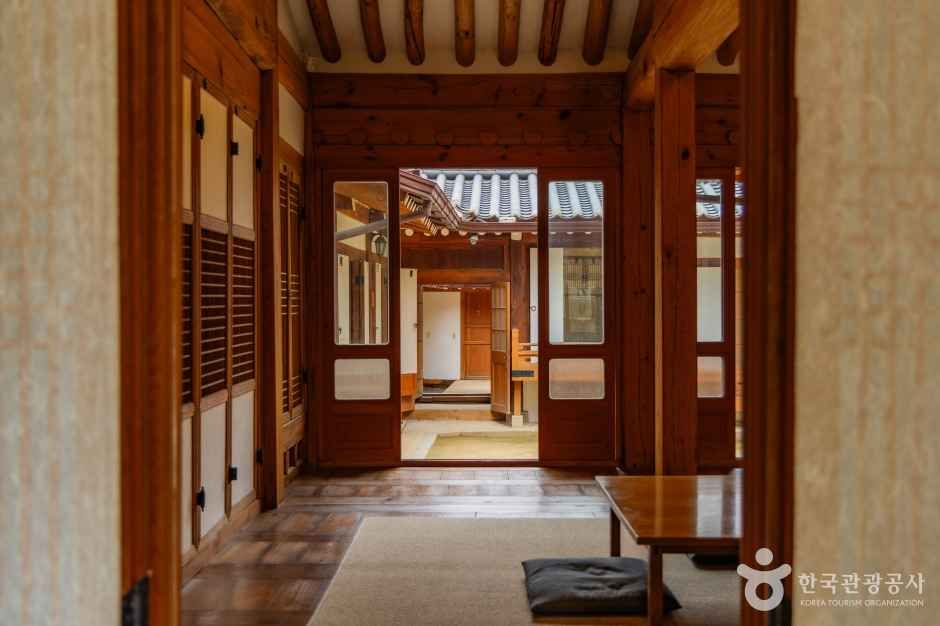
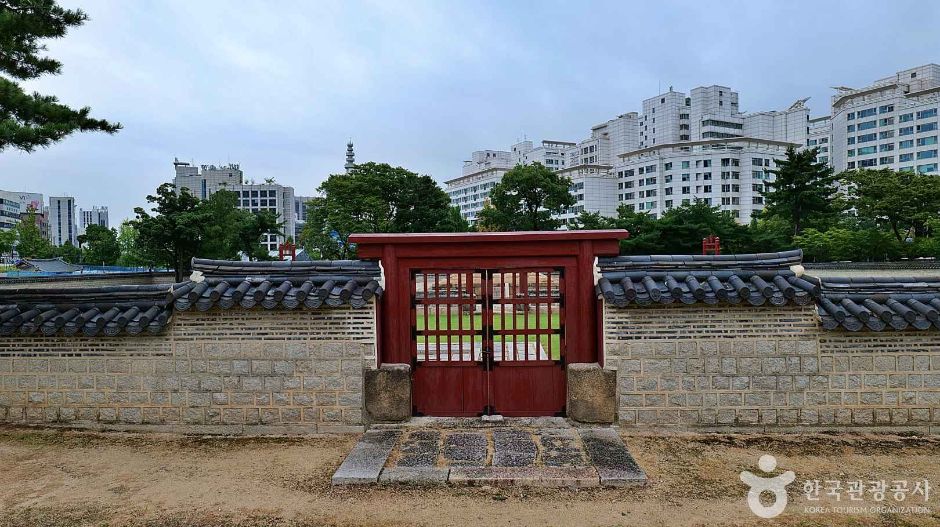
Hwanghakjeong (黃鶴亭) is a shooting pavilion (sajeong, a pavilion at an archery range) built in 1899 (the 3rd year of Gwangmu) by order of Emperor Gojong north of Hoesangjeon in Gyeonghuigung Palace for archery practice. After the Gabo Reform of 1894, bows were excluded from military standard weapons, causing most shooting pavilions across the country to disappear. Regretting this, Emperor Gojong issued an imperial order to 'encourage archery for the physical and mental training of the people' and built Hwanghakjeong within the palace grounds, opening it to the general public. It is said that Gojong frequently visited this place and enjoyed archery himself. In 1922, when the Japanese colonial authorities dismantled Gyeonghuigung Palace, Hwanghakjeong was moved to its current location in Sajik-dong, the former site of Deunggwa-jeong. Deunggwa-jeong was one of five shooting pavilions located below Inwangsan Mountain during the Joseon Dynasty. The building has a front of 4 kan and a side of 2 kan, with a hip-and-gable roof (pajakjibung) shaped like the character eight (八). Hwanghakjeong serves as a model for archery range buildings, where archery events are still held today, and it is a historic site that continues the tradition of Korean traditional archery (gukgung) culture.
OTA-ready stop
Built into inbound routes and day-tour planning.
Local context
서울특별시 종로구 사직로9길 15-32 (사직동)
Travel fit
Attraction · Seoul

![[Early bird] Elysian Gangchon Ski Tour from Seoul (5 pick-up points)](/_next/image?url=https%3A%2F%2Fadmin.holidaykr.com%2Fapi%2Fadmin%2Fsystem%2Fbasic-settings%2Ffavicon%3Fpath%3D%252Fuploads%252Fproducts%252Fthumbs%252F750_1785201339504_file1.jpg&w=3840&q=75)