Destination briefing
Why travelers stop here
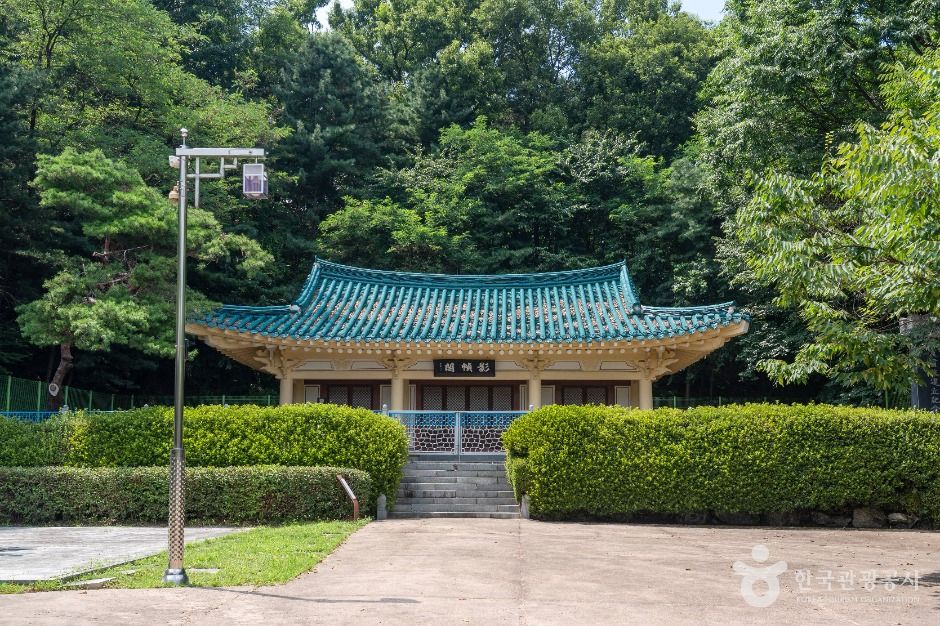
This is a place established by Gong Seo-rin (孔瑞麟, 1483-1541), a descendant of Confucius (孔子, 551 BC-479 BC), a scholar from the Spring and Autumn period of China, and a civil official of the early Joseon Dynasty, to teach later scholars. In 1792, the area was renamed 'Gwolli' after the name of the village in the state of Lu where Confucius lived, and after building a shrine, it was named 'Gwollisa'. This site was abolished during the Seowon Abolition (書院撤廢; in 1871, only 47 seowon, including shrines, were left nationwide and all others were removed) under King Gojong, but was rebuilt in 1900. Gwollisa is largely divided into the Seongmyo (聖廟; a building with a portrait of Confucius) area and the Seongsangjeon (聖像殿; a place with a stone statue of Confucius) area. The Seongmyo area consists of Seongmyo, which houses the portrait of Confucius, and Jegigo (祭器庫), a storage for ritual items. The shrine building, Seongmyo, has 3 kan (bays) at the front and 2 kan on the sides, with a gable roof (맞배지붕). Inside, a wall is set back to create a separate gamshil (龕室; a structure made to enshrine ancestral tablets, portraits, etc.) where the portrait of Confucius is enshrined. In the Seongsangjeon area, stone statues of Confucius are centered, with stone statues of the sages (Yanzi, Mencius, Zengzi, and Zisi) erected. Additionally, Gwollisa includes Yanghyeonjae (養賢齋) for teaching Confucian thought, the Confucius Culture Exhibition Hall, Haengdan (杏壇), as well as a hongsalmun (red gate), a dismounting stone (下馬碑), and a monument of achievements (功績碑).
Address: 3, Maehoro, Osan-si, Gyeonggi-do (Gwol-dong)
OTA-ready stop
Built into inbound routes and day-tour planning.
Local context
경기도 오산시 매홀로 3 (궐동)
Travel fit
Attraction · Gyeonggi-do

![[Early bird] Elysian Gangchon Ski Tour from Seoul (5 pick-up points)](/_next/image?url=https%3A%2F%2Fadmin.holidaykr.com%2Fapi%2Fadmin%2Fsystem%2Fbasic-settings%2Ffavicon%3Fpath%3D%252Fuploads%252Fproducts%252Fthumbs%252F750_1785201339504_file1.jpg&w=3840&q=75)