Destination briefing
Why travelers stop here
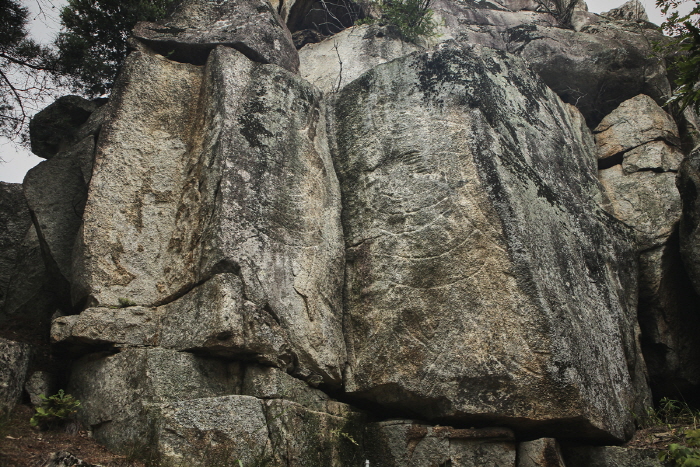
This is the tomb of Grand Prince Yeongchang, the only son born to Queen Inmok, the primary wife of King Seonjo, among his 14 sons. He was especially favored by King Seonjo. With the support of the Lesser Northerners (Sobuk) faction, including Yu Yeong-gyeong, there was a possibility that he would be appointed as crown prince instead of Prince Gwanghae, who had already been designated. However, this did not come to pass due to King Seonjo's sudden death. After Prince Gwanghae ascended the throne, Yeongchang was resented by the Greater Northerners (Daebuk) faction, including Yi I-cheom, as a threat to the throne. The 'Conspiracy of the Seven Illegitimate Sons' (Chilseo-ui Ok) occurred, in which seven illegitimate sons, including Park Eung-seo, were accused of plotting treason. They were forced to falsely testify about a scheme to elevate Grand Prince Yeongchang. As a result, Yeongchang was demoted to commoner status and exiled to Ganghwa Island. There, the magistrate of Ganghwa confined him in a room and lit a fire, causing his death from the heat. In 1623, with the Injo Restoration that ousted King Gwanghae, his official rank and title were restored. During the Joseon Dynasty, royal tombs were classified as neung (royal mausoleum), won (tomb of crown prince or royal consort), and myo (tomb). Myo refers to ordinary tombs, indicating the burial sites of royal descendants, concubines, or the Grand Prince (father of a king). The tomb of Grand Prince Yeongchang was originally located below Namhansanseong Fortress in Gwangju County. Due to the development plan of Seongnam City, it was relocated to its current location in August 1971.
OTA-ready stop
Built into inbound routes and day-tour planning.
Local context
경기도 안성시 일죽면 고은리
Travel fit
Attraction · Gyeonggi-do
![[Early bird] Elysian Gangchon Ski Tour from Seoul (5 pick-up points)](/_next/image?url=https%3A%2F%2Fadmin.holidaykr.com%2Fapi%2Fadmin%2Fsystem%2Fbasic-settings%2Ffavicon%3Fpath%3D%252Fuploads%252Fproducts%252Fthumbs%252F750_1785201339504_file1.jpg&w=3840&q=75)