Destination briefing
Why travelers stop here
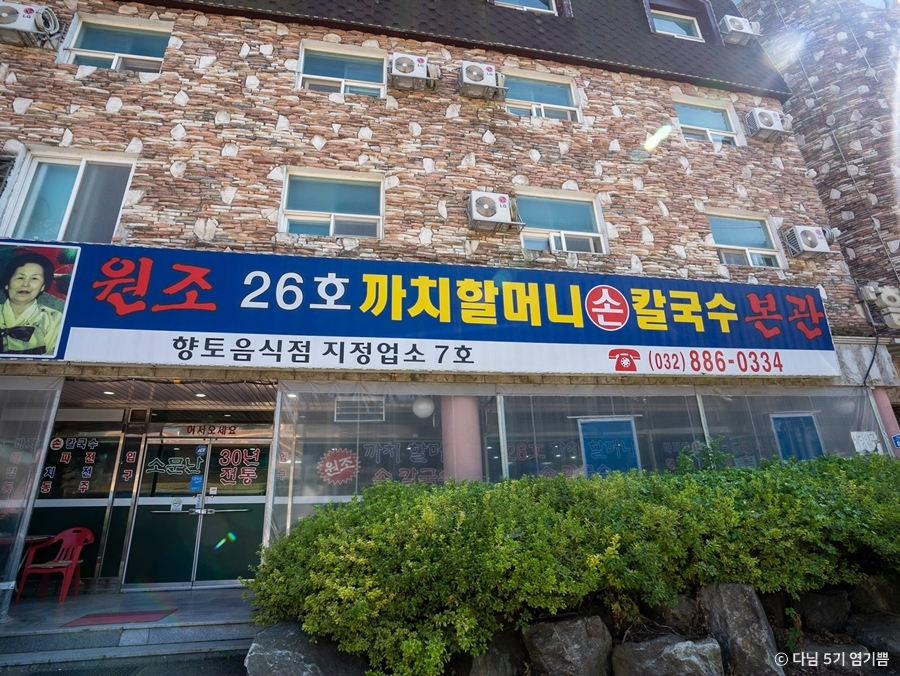
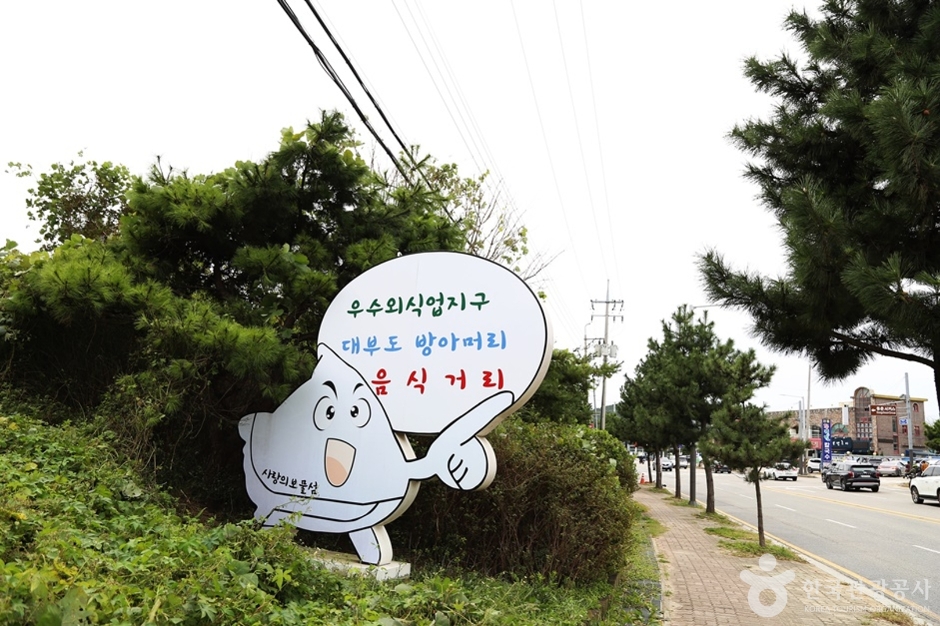
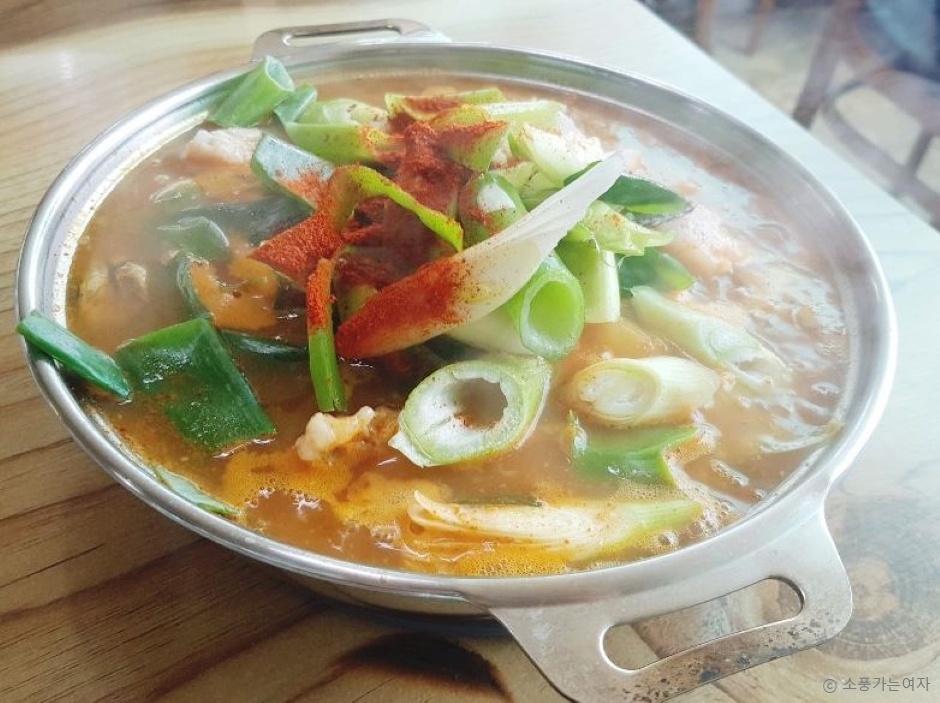
Ssanggyesa Temple is located on the northern side of Daebudo Island in Ansan, Gyeonggi Province. There are no other facilities around Ssanggyesa Temple, and it stands alone, creating a quiet and serene atmosphere. Ssanggyesa Temple is situated at 1058 Daebu Buk-dong, Ansan, Gyeonggi Province, and belongs to the Jogye Order of Korean Buddhism. Originally part of Ongjin County, it was incorporated into Ansan City in 1994 due to administrative district consolidation. Daebudo Island, where Ssanggyesa Temple is located, was once one of the largest islands in the West Sea, but with the completion of the Sihwa Embankment, it became accessible by car from the mainland. As you enter Daebudo Island via the Sihwa Embankment, the expansive Sihwa Lake spreads out on the left, and the endless horizon of the sea can be seen on the right, giving the feeling of floating on the sea. The embankment stretches about 6 km, allowing you to enjoy a sense of openness. Additionally, many anglers visit the area around the embankment to enjoy sea fishing. After passing the embankment and entering Daebudo Island, numerous restaurants specializing in seafood and clam kalguksu line both sides, where you can taste the flavors of the sea. Ssanggyesa Temple has Daegeumsan Mountain, a low mountain on Daebudo Island, as its main mountain. The temple is oriented eastward, arranged in harmony with the mountain terrain. The exact founding date of the temple is unclear, but it is believed to have been established around the 16th century, and it has undergone several renovations and reconstructions to reach its current state. In the right corner of the temple grounds, there is a strangely shaped rock, and medicinal water continuously springs from it. This medicinal water is deeply connected to the founding legend of Ssanggyesa Temple. It is said that Monk Chwihyeol passed by this place, took a rest on the mountainside, and fell asleep. In his dream, he saw five dragons ascending to the sky, and upon waking, he dug the spot and found clear water springing from under a dragon-shaped rock. Believing this to be the Buddha's teaching, he founded a hermitage there and named it Jeongsujeong (淨水庵), meaning 'clear water hermitage.' This hermitage became the predecessor of Ssanggyesa Temple. The medicinal water is rich in iron and carbonic acid, and it is said to be highly effective for various diseases such as stomach ailments and skin diseases, making it popular among many people.
OTA-ready stop
Built into inbound routes and day-tour planning.
Local context
경기도 안산시 단원구 대부황금로 1171 (대부북동)
Travel fit
Attraction · Gyeonggi-do


![[Early bird] Elysian Gangchon Ski Tour from Seoul (5 pick-up points)](/_next/image?url=https%3A%2F%2Fadmin.holidaykr.com%2Fapi%2Fadmin%2Fsystem%2Fbasic-settings%2Ffavicon%3Fpath%3D%252Fuploads%252Fproducts%252Fthumbs%252F750_1785201339504_file1.jpg&w=3840&q=75)