Destination briefing
Why travelers stop here
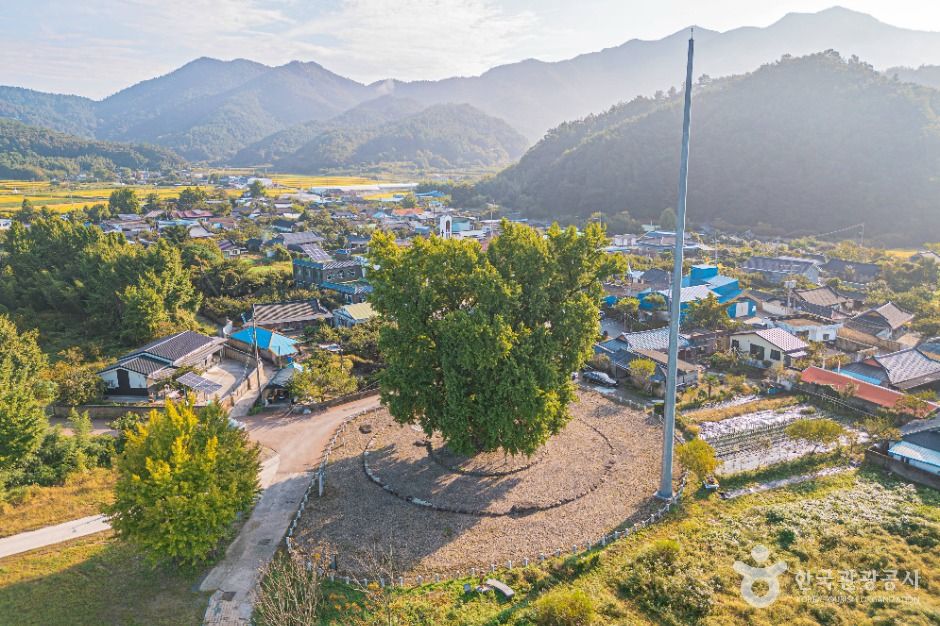
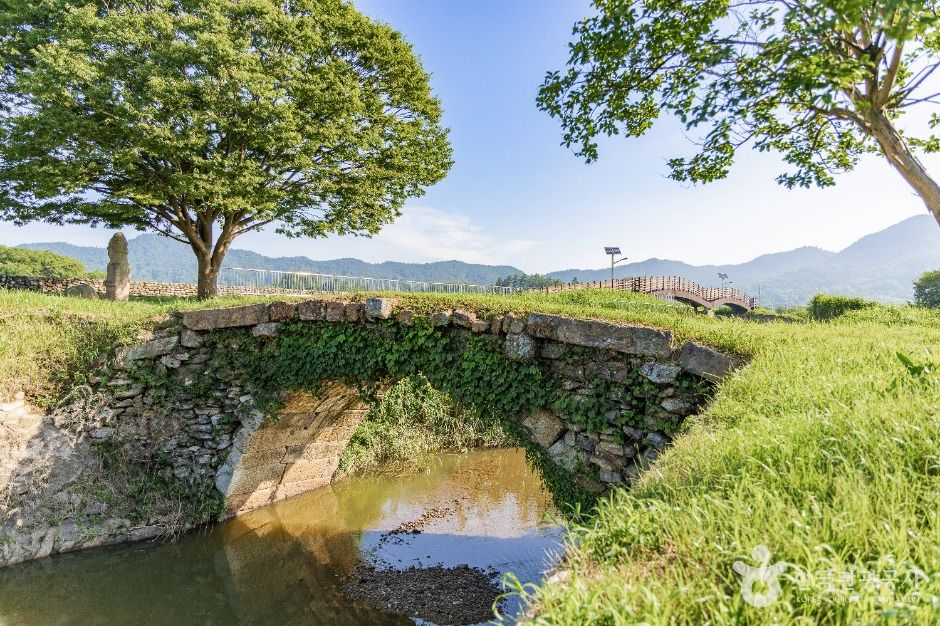
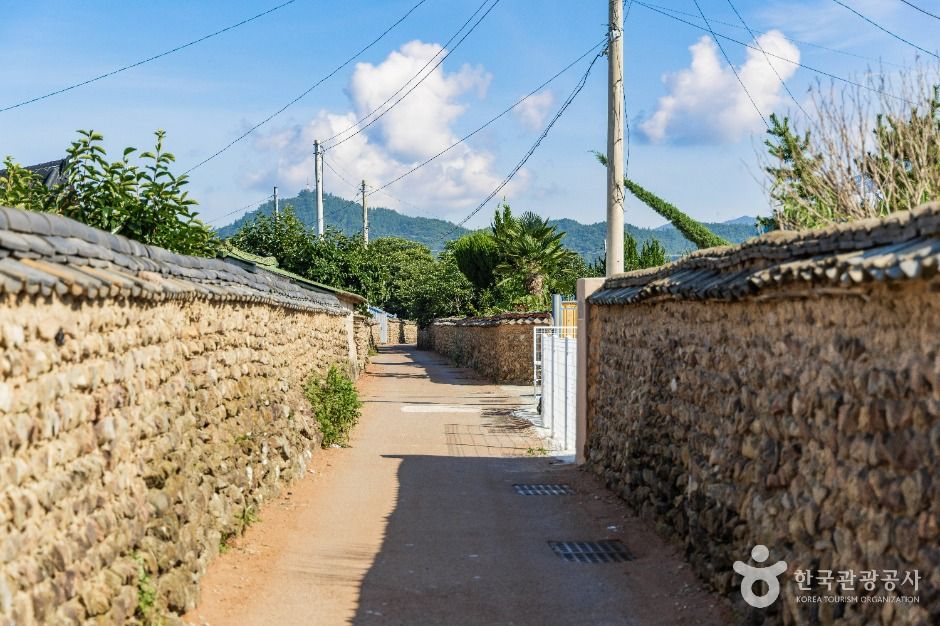
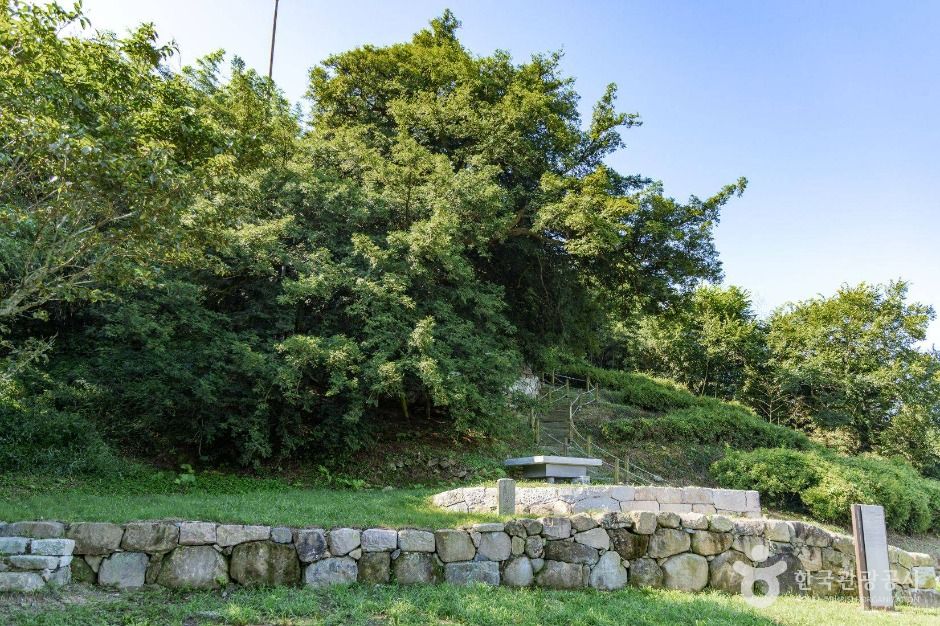
This fortress served as the supreme command of the army that governed 53 prefectures and 6 garrisons of Honam and Jeju Island for 600 years during the Joseon Dynasty. It was relocated in 1417 (the 17th year of King Taejong) from its original location in Gwangsan-hyeon. It is also called Seolseong (Snow Fortress) because the first commander, General Ma Cheon-mok, received a revelation in a dream and built it following the traces of snow. Built on flat land, according to the 'Daedongjiji' and 'Saekji,' it had a circumference of 2,820 cheok, a height of 18 cheok, 12 barbicans, 5 ponds, 9 wells, 2 gun towers, 4 gates, and 15 auxiliary buildings including a banquet hall and guesthouse. In 1599 (the 32nd year of King Seonjo), it was temporarily moved to Jangheung, then returned here in 1604. The Dutchman Hamel, who was stranded on Jeju Island, was brought here and detained for about eight years. In 1894, the fortress fell during the Donghak Peasant Revolution, suffering massive damage, and was abolished the following year in 1895 (the 32nd year of King Gojong) during the Gabo Reform. The Jeolla Army Command Fortress site was initially designated and managed as a Jeollanam-do Monument on March 9, 1992, and was later designated as a Historic Site in 1997. The fortress walls were restored to enhance its historical importance and significance, as the traces of the fortress remain distinct. Related sites include Hamel's Stay Site, Han-gol-mok, Byeongyeong Honggyo, a Japanese torreya tree, and a ginkgo tree.<br>
OTA-ready stop
Built into inbound routes and day-tour planning.
Local context
전남광주통합특별시 강진군 병영면 병영성로 175
Travel fit
Attraction · Jeollanam-do
![[Early bird] Elysian Gangchon Ski Tour from Seoul (5 pick-up points)](/_next/image?url=https%3A%2F%2Fadmin.holidaykr.com%2Fapi%2Fadmin%2Fsystem%2Fbasic-settings%2Ffavicon%3Fpath%3D%252Fuploads%252Fproducts%252Fthumbs%252F750_1785201339504_file1.jpg&w=3840&q=75)