Destination briefing
Why travelers stop here
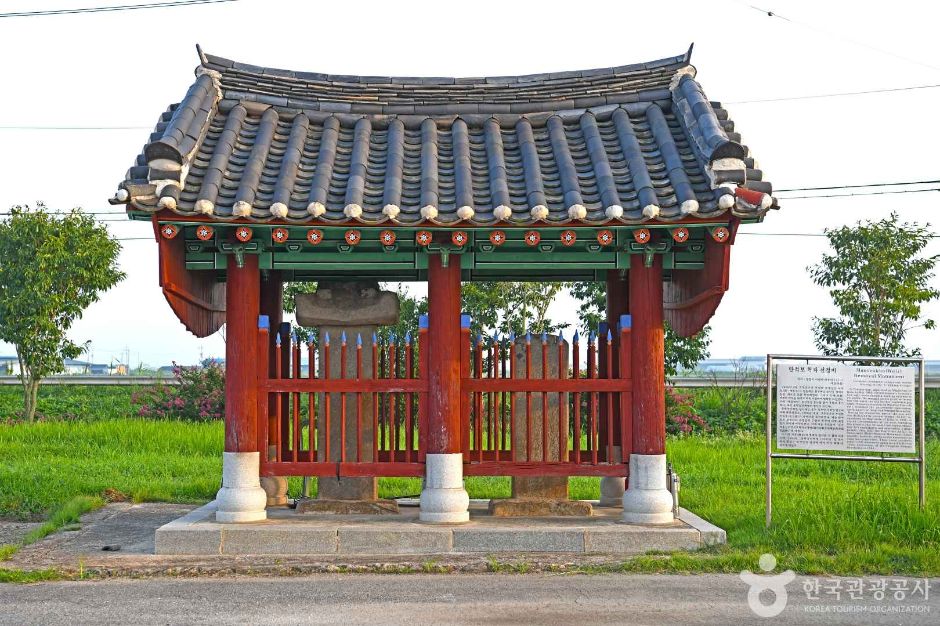
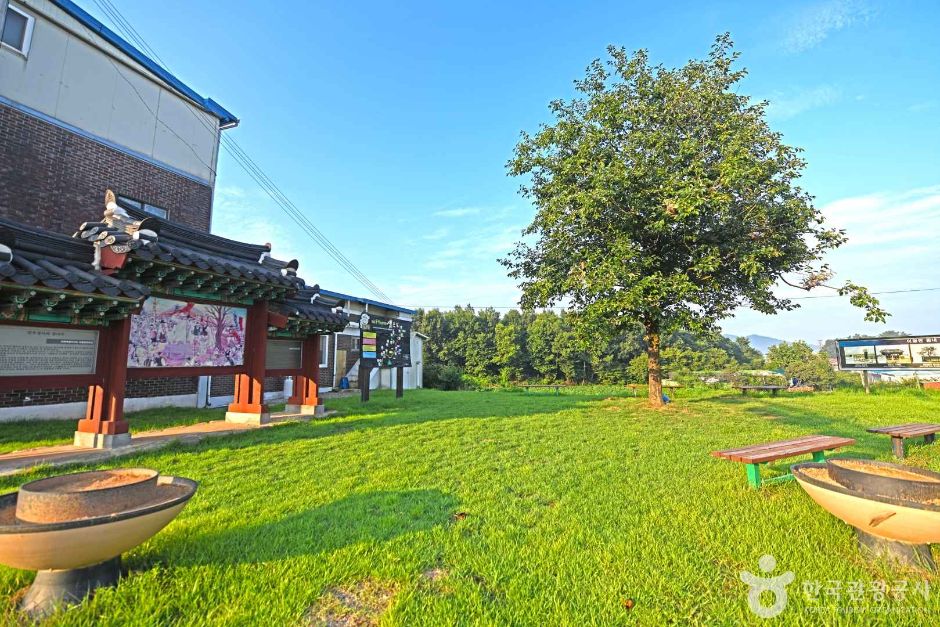
This is the site of Manseokbo, a reservoir built by Jo Byeong-gap, the magistrate of Gobu County, located between Manseokdaegyo Bridge and the embankment. A bo (reservoir) refers to a place where a dam is built to block a stream for irrigating rice paddies. About 4km from Sintaeyeon to Gobu, downstream of the bridge crossing the Dongjin River, traces of the reservoir embankment remain. Surrounding it is the wide and fertile Baedeul Plain. Named Manseokbo because it could yield as much as 10,000 seok of rice from this vast plain, it also harbors the anger of farmers who suffered from hunger and exploitation. Originally, there was a minbo (voluntary reservoir) built by farmers upstream of the Jeongeupcheon Stream. However, in 1893 (the 30th year of King Gojong's reign), Jo Byeong-gap, who was appointed magistrate of Gobu County, built Manseokbo below the minbo, forcing farmers to labor and cutting down large trees without the owners' permission. After building the reservoir, he also levied heavy taxes under the pretext of water fees. Eventually, in 1894, the farmers, exhausted by Jo Byeong-gap's tyrannical rule and excessive taxes, dismantled Manseokbo. This became the catalyst for the Donghak Peasant Revolution, and in 1973, a monument was erected here to commemorate the site. Nearby tourist attractions include the Manseokbo Revolution Monument, Jeongtosa Temple, Jeongeup Sintaeyeon Market, and Malmokjangteo with its persimmon tree.
OTA-ready stop
Built into inbound routes and day-tour planning.
Local context
전북특별자치도 정읍시 이평면 하송리
Travel fit
Attraction · Jeollabuk-do
![[Early bird] Elysian Gangchon Ski Tour from Seoul (5 pick-up points)](/_next/image?url=https%3A%2F%2Fadmin.holidaykr.com%2Fapi%2Fadmin%2Fsystem%2Fbasic-settings%2Ffavicon%3Fpath%3D%252Fuploads%252Fproducts%252Fthumbs%252F750_1785201339504_file1.jpg&w=3840&q=75)