Destination briefing
Why travelers stop here
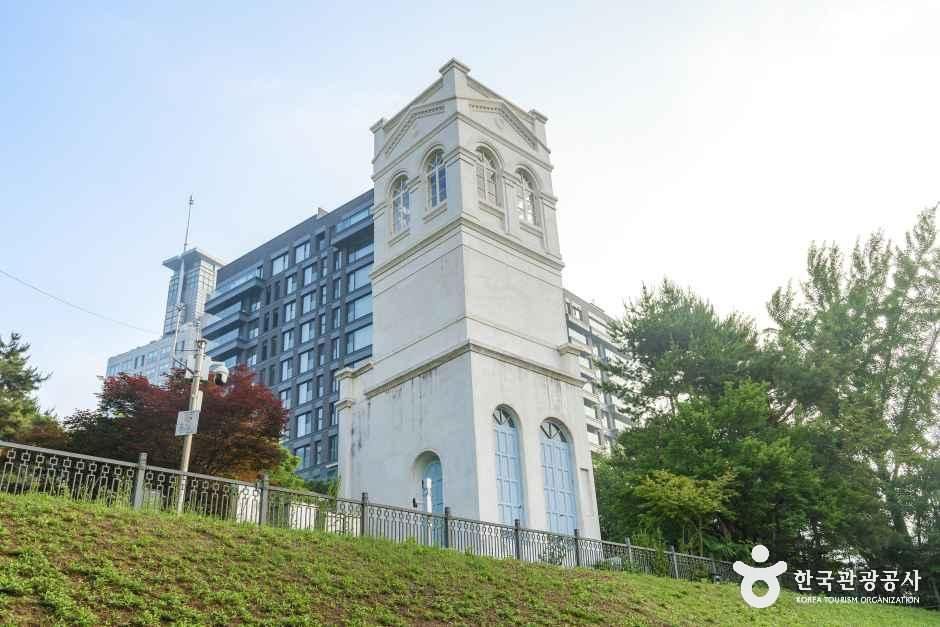
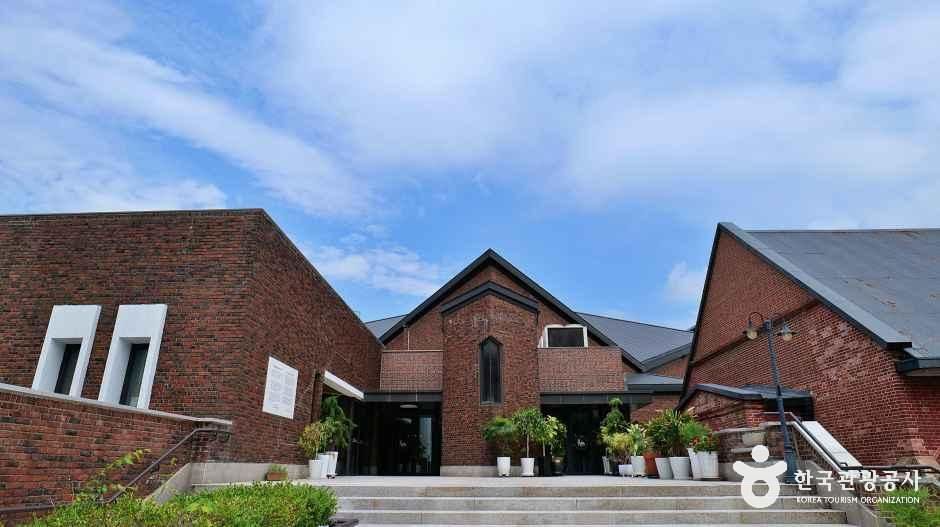
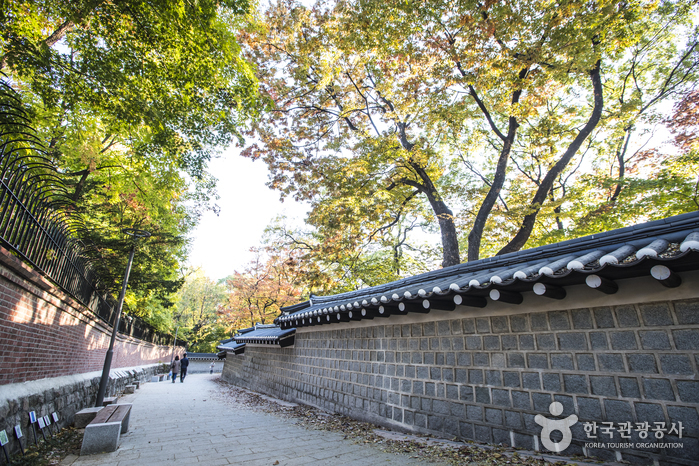
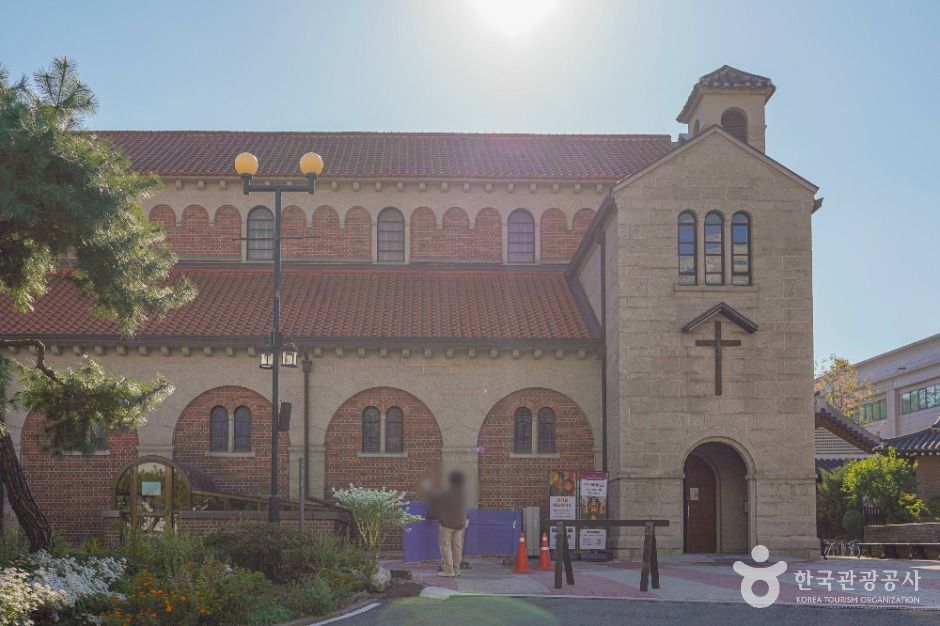
Jeongmyeongjeon Hall is an important site of the Korean Empire. After the great fire at Gyeongungung Palace (now Deoksugung Palace) in 1904, Emperor Gojong moved his residence to Jeongmyeongjeon and used it as his audience hall. In November 1905, the Eulsa Treaty was illegally signed here, and it was also from Jeongmyeongjeon that on April 20, 1907, Yi Jun and others were dispatched as envoys to the Hague to inform the international community of the injustice of the Eulsa Treaty. Meanwhile, after a fire in 1925 left only the outer walls standing, Jeongmyeongjeon was rebuilt and mainly used as a social club for foreigners, and later became state property when the Liberal Party government came into power. However, in 1963, President Park Chung-hee returned Jeongmyeongjeon to Prince Yeongchin and Princess Bangja, who had permanently returned to Korea. In 1977, Jeongmyeongjeon was sold to the private sector again, and in 2003, it was purchased by Jeongdong Theater. In 2006, management was transferred to the Cultural Heritage Administration, and on February 7, 2007, it was incorporated into Deoksugung Palace as a historic site. After restoration in December 2009, it has been open to the public since August 2010 as an exhibition hall titled 'The Place Where the Fate of the Korean Empire Was Decided, Deoksugung Jeongmyeongjeon.' If you go around the stone wall path of Deoksugung Palace to the back, you will find Jeongdong Theater, and entering that alley leads to Jeongmyeongjeon. Originally part of the residence of Western missionaries in the Jeongdong area, Jeongmyeongjeon was incorporated into the palace when Gyeongungung Palace (now Deoksugung Palace) was expanded in 1897. At that time, it was named Suokheon and mainly used as an imperial library, but after being completely destroyed by fire in 1901, it was rebuilt and acquired its current two-story brick building exterior. The building was designed by Russian architect Sava Chin, who also designed Dongnimmun Gate and Jeonggwanheon Hall.
OTA-ready stop
Built into inbound routes and day-tour planning.
Local context
서울특별시 중구 정동길 41-11 (정동)
Travel fit
Attraction · Seoul


![[Early bird] Elysian Gangchon Ski Tour from Seoul (5 pick-up points)](/_next/image?url=https%3A%2F%2Fadmin.holidaykr.com%2Fapi%2Fadmin%2Fsystem%2Fbasic-settings%2Ffavicon%3Fpath%3D%252Fuploads%252Fproducts%252Fthumbs%252F750_1785201339504_file1.jpg&w=3840&q=75)