Destination briefing
Why travelers stop here
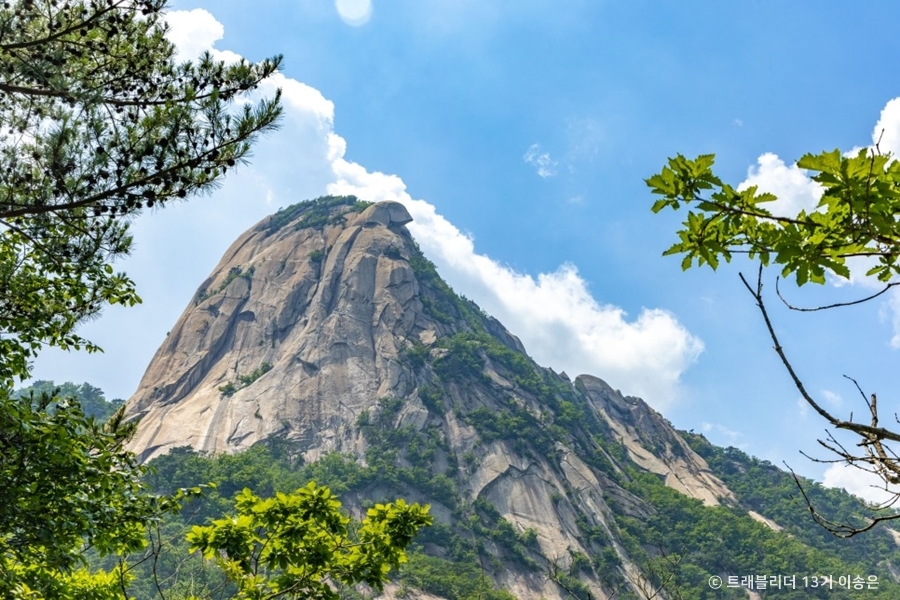
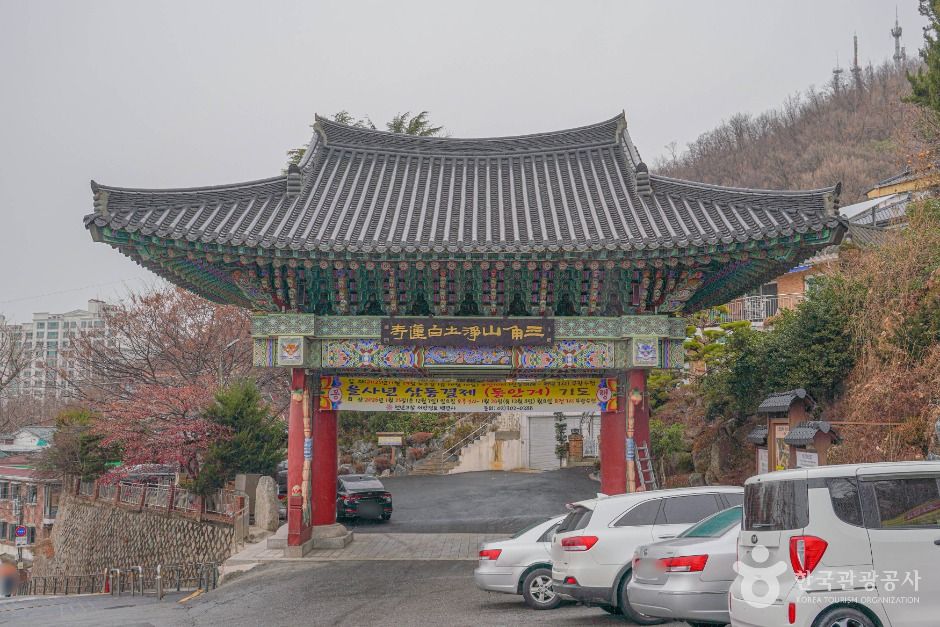
Heading about 1 km up the valley from the west of Uidong toward Baegundae, the highest peak of Bukhansan, you will encounter a mountain gate with the inscription 'Samilsusimcheonjaebo (三日修心千載寶) Baengnyeontammuliljojin (百年貪物一朝塵)' on Iljumseok. According to historical records, Doseonsa Temple is said to have been founded in 862 (the 2nd year of King Gyeongmun's reign) by National Preceptor Doseon. National Preceptor Doseon foresaw that the mountain terrain here would be a place to revive the Dharma in the Age of the Final Dharma 1,000 years later, founded the temple, and split a large rock with a staff to create a rock-carved Avalokitesvara Bodhisattva statue. There are no records of reconstruction or repairs from the late Joseon period, but there is a record that monk soldiers stood guard at this temple during the construction of Bukhansanseong Fortress. In 1863 (the 14th year of King Cheoljong's reign), it was repaired with donations from Kim Jwa-geun, and a Chilseonggak (Seven Stars Shrine) was newly built. In 1887 (the 24th year of King Gojong's reign), Im Jun erected a five-story pagoda and enshrined the sarira of Sakyamuni in the pagoda. Existing buildings include Daeungjeon (Main Hall), Hoguk Chamhoewon (National Defense Repentance Hall), Myeongbujeon (Judgment Hall), Samseonggak (Three Spirits Shrine), Jeokmukdang, Cheonwangmun (Heavenly Kings Gate), Beomjonggak (Bell Pavilion), Jongmuso (Administrative Office), and Yosachae (Monks' Quarters). Inside Daeungjeon, the Amitabha Triad is enshrined, and on the interior walls of the hall are portraits of Bodhidharma, Huineng, and Cheongdam, along with a rear hanging painting, the Eight Scenes of the Buddha's Life, and the Nine Grades of the Pure Land painting. Currently, Doseonsa Temple houses numerous Seoul Metropolitan Tangible Cultural Heritage items, including a Rock-carved Standing Buddha (No. 34), a Wooden Amitabha Buddha and Mahasthamaprapta Bodhisattva Statue (No. 191), a Stone Solitary Saint Statue (No. 192), and a Bronze Bell and Associated Artifacts (No. 259), as well as sacred cultural properties from the late 19th century, such as a Ksitigarbha and Ten Kings painting, a Gwaebuldo (Large Hanging Painting), the Lotus Sutra, and the Avatamsaka Sutra Commentary.
OTA-ready stop
Built into inbound routes and day-tour planning.
Local context
서울특별시 강북구 도선사길 278 (우이동)
Travel fit
Attraction · Seoul

![[Early bird] Elysian Gangchon Ski Tour from Seoul (5 pick-up points)](/_next/image?url=https%3A%2F%2Fadmin.holidaykr.com%2Fapi%2Fadmin%2Fsystem%2Fbasic-settings%2Ffavicon%3Fpath%3D%252Fuploads%252Fproducts%252Fthumbs%252F750_1785201339504_file1.jpg&w=3840&q=75)