Destination briefing
Why travelers stop here
Min Yeong-hwan's Suicide Site is where Min Yeong-hwan took his own life in protest against the Eulsa Treaty, dying for his country. Min Yeong-hwan, a loyal subject of the late Joseon Dynasty, argued for the abolition of the Eulsa Treaty in front of the palace but was forcibly disbanded by Japanese military police. Failing in his efforts, he left three suicide notes addressed to the people, foreign envoys, and the emperor, and died by his own hand at 6 a.m. on November 30, 1905, in the caretaker's house. After his death, his blood-stained clothes and sword were hung in the maru room of Sancheong. When the door of Sancheong was opened in May of the following year, four bamboo stalks had grown through the floorboards and the blood-stained clothes. People said that his loyalty manifested as blood bamboo, and this tree was called jeoljuk (bamboo of integrity). In front of the Hanabi Building in Insa-dong, Jongno-gu, at Min Yeong-hwan's suicide site, a memorial sculpture inscribed by Kim Chung-heon and carved by Baek Mun-gi stands. This sculpture features bamboo and window doors symbolizing the blood bamboo said to represent his loyalty, along with the dagger used in his suicide and the suicide notes.
OTA-ready stop
Built into inbound routes and day-tour planning.
Local context
서울특별시 종로구 인사동5길 41 (공평동)
Travel fit
Attraction · Seoul

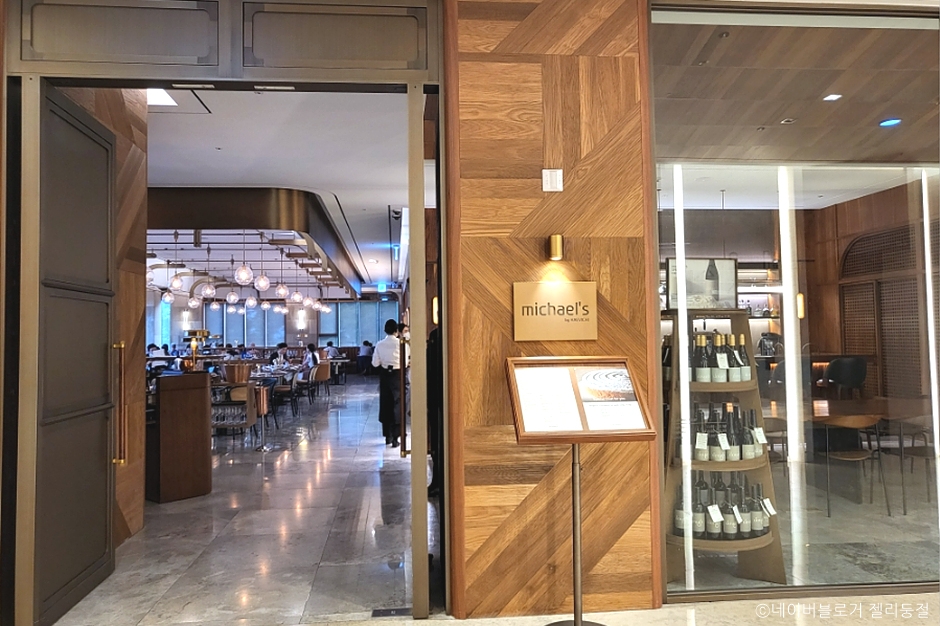
![[baengnyeongage]hanarohoegwan](https://tong.visitkorea.or.kr/cms/resource/15/4005215_image2_1.jpg)
![[Early bird] Elysian Gangchon Ski Tour from Seoul (5 pick-up points)](/_next/image?url=https%3A%2F%2Fadmin.holidaykr.com%2Fapi%2Fadmin%2Fsystem%2Fbasic-settings%2Ffavicon%3Fpath%3D%252Fuploads%252Fproducts%252Fthumbs%252F750_1785201339504_file1.jpg&w=3840&q=75)