Destination briefing
Why travelers stop here
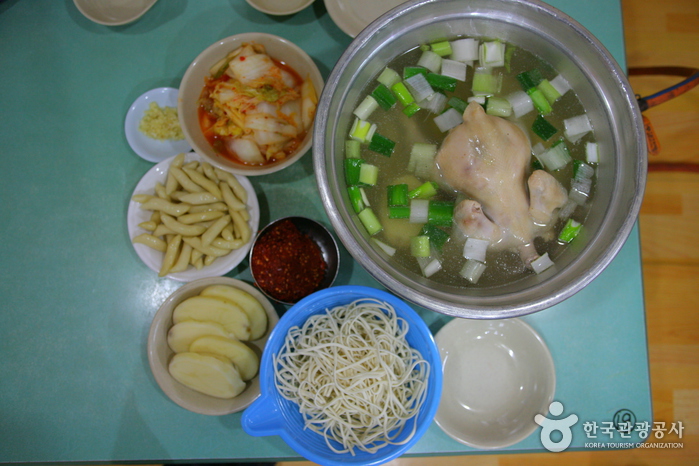
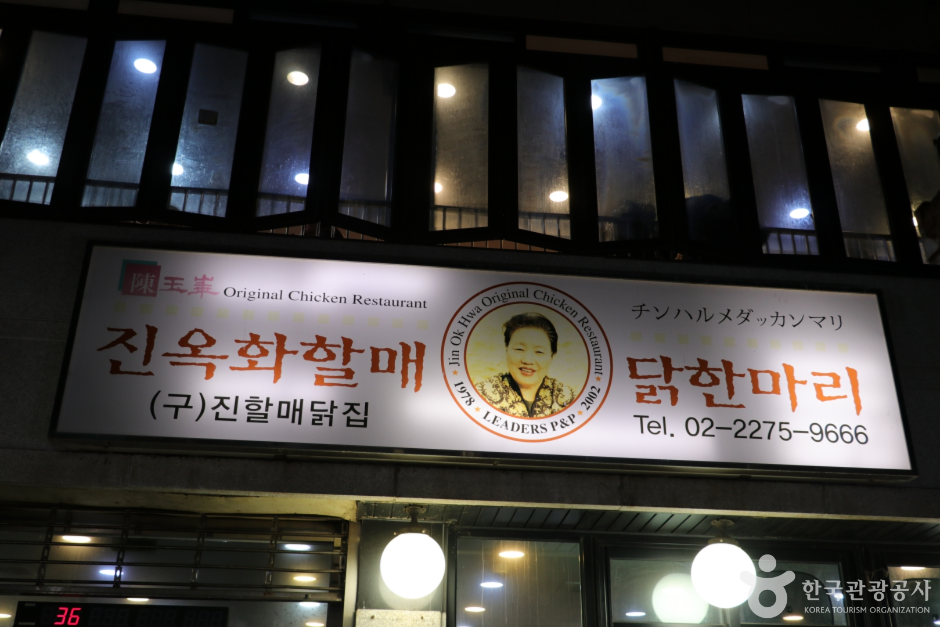
Dongdaemun, lined with buildings packed with clothing malls, is now an area that can be called Asia's largest clothing district. Behind its current appearance are the Dongdaemun Fabric Market, Pyeonghwa Market, and the market people who settled nearby. About 30 years ago, the place that soothed their hunger and warmed their hearts was what is now Dak Hanmari Alley. Exit subway line 4 Dongdaemun Station exits 8 and 9, go straight, then turn left at the Industrial Bank of Korea building onto a one-way street. On the right side of that street, delivery motorcycles carrying goods to and from Dongdaemun General Market and nearby markets are lined up. About halfway down that street on the right, you'll see a Chinese restaurant called Deokseonggak; enter that alley, and you'll find the dak hanmari restaurants. These alley restaurants have been in place for as little as 5 years to as long as over 30 years. However, tracing back to the days when individual homes sold chicken kalguksu before the current restaurants, the history of this alley's dak hanmari goes back much further than 30 years. According to the story of a restaurant owner who took over a grandmother's chicken kalguksu business 28 years ago and has been selling dak hanmari ever since, the grandmother did not cook the current style of dak hanmari but boiled kalguksu with chicken. She received guests on the wooden floor and in the rooms of a tiled-roof hanok house. The current owner took over that house as is, built a hall where the yard used to be, and set up tables. Among the remaining restaurants, the oldest is 'Jinokhwa Dak Hanmari'. However, that restaurant had a fire and was rebuilt in February 2009. This restaurant also originally sold chicken kalguksu, not the current dak hanmari style. So, the origin of Dongdaemun Dak Hanmari Alley cuisine is chicken kalguksu. Even now, the word 'chicken kalguksu' remains on the signs, entrances, and glass windows of the alley restaurants. Also, the fact that kalguksu noodles remain as a side dish to eat with dak hanmari is evidence of this. In a way, it's a role-reversed dish: from kalguksu with chicken, it became a chicken dish boiled in broth with kalguksu as a subsidiary ingredient. The dak hanmari dishes are almost the same at each restaurant. The differences lie in the dipping sauce for the chicken, the broth, and the optional subsidiary ingredients. So, each restaurant in this alley only half-reveals the recipe for its sauce and broth. The rest is a secret. The main ingredient of the sauce, gochugaru (red pepper powder), must be of good quality. It should not just be spicy but also have a rich texture and savory flavor. The ingredients in the broth, such as prickly ash and ginseng, also vary by restaurant. A large pot is filled with broth, and a whole chicken is boiled in it. The chicken is lightly boiled before serving, but it's better to let it boil thoroughly on the portable gas stove on the table. This is because the flavors of subsidiary ingredients like potatoes, rice cakes, ginseng, jujubes, and mushrooms need to meld together to create a single taste. After boiling, you eat the meat and subsidiary ingredients, then add kalguksu noodles to the remaining broth and boil them to finish the dak hanmari feast. Even now, more than half of the regulars at this alley are people from the markets around Dongdaemun. Word has spread to Japan, so many Japanese tourists also visit. Additionally, young couples who love food alleys get information online and come to this alley. Their palates are reviving the 30-year-old dak hanmari dish.
OTA-ready stop
Built into inbound routes and day-tour planning.
Local context
서울특별시 종로구 종로40가길 14
Travel fit
Attraction · Seoul

![[jongrodulregil 3koseu] Naksan Koseu](https://tong.visitkorea.or.kr/cms/resource/92/4065492_image2_1.jpg)

![[Early bird] Elysian Gangchon Ski Tour from Seoul (5 pick-up points)](/_next/image?url=https%3A%2F%2Fadmin.holidaykr.com%2Fapi%2Fadmin%2Fsystem%2Fbasic-settings%2Ffavicon%3Fpath%3D%252Fuploads%252Fproducts%252Fthumbs%252F750_1785201339504_file1.jpg&w=3840&q=75)