Destination briefing
Why travelers stop here
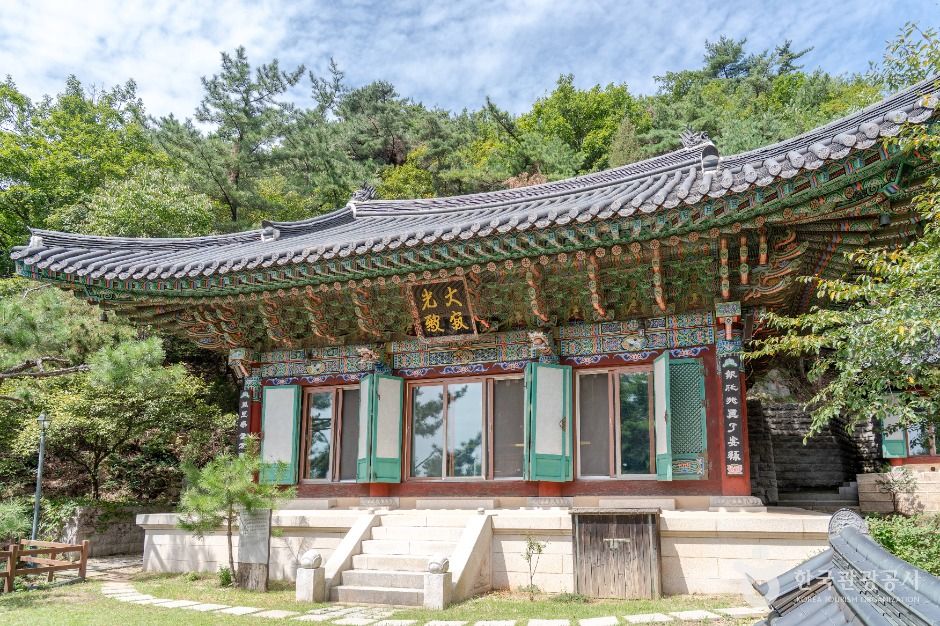
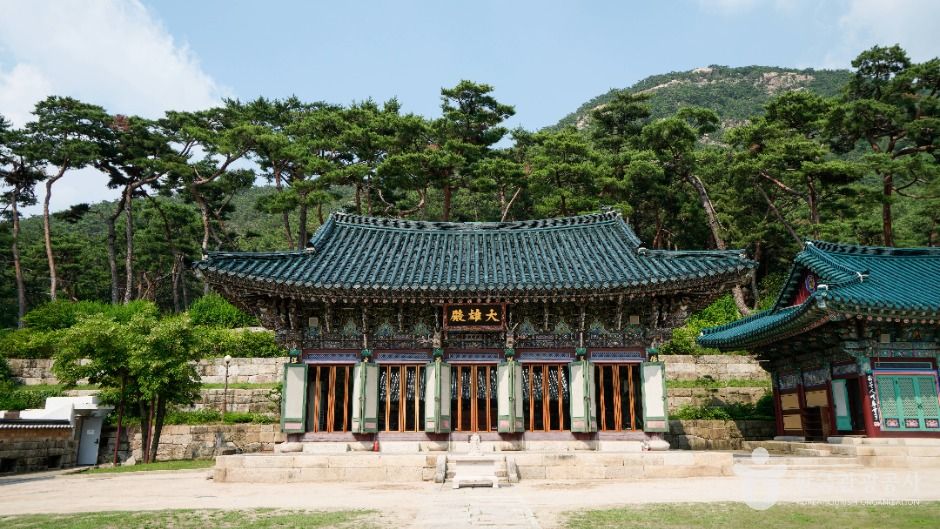
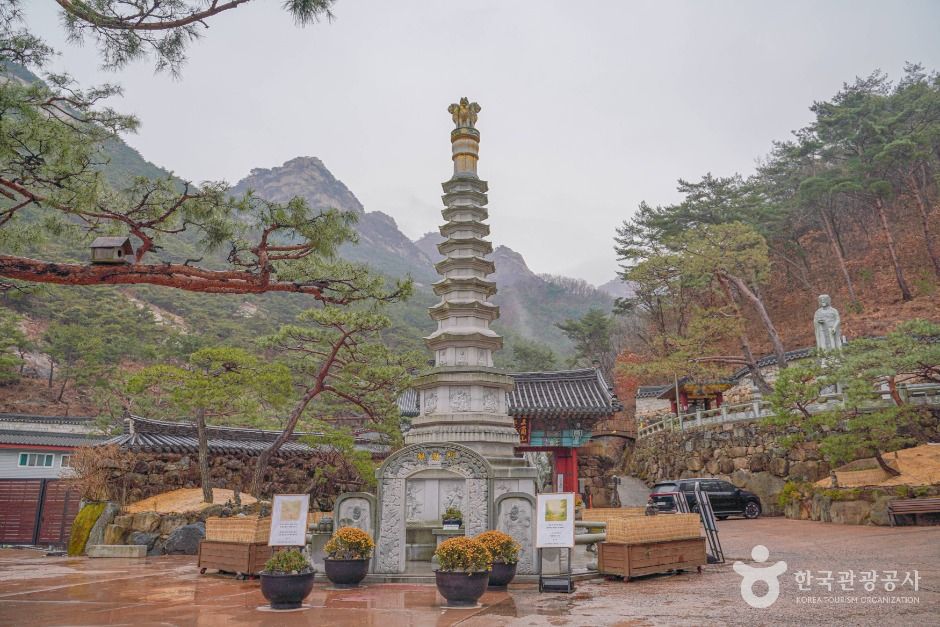
Seungasa Temple was established by Monk Suta of Nangjeoksa Temple in the Silla period to honor the sacred achievements of Monk Seungga, a Western monk revered as an incarnation of Avalokiteshvara Bodhisattva. A statue of Monk Seungga (Treasure No. 1000) was enshrined by carving into a cliff in a scenic southern spot of Mt. Samgaksan. The circumstances of Seungasa Temple's founding are roughly recorded in the *Samgaksan Jungsu Seunggagulgi* written by Yi Ye of the Goryeo period. Additionally, the rock-carved Buddha (Treasure No. 215) on the cliff behind the temple, created with royal support during the Goryeo period, is a representative work of the early Goryeo era. It is said that when the country faced major upheavals or disasters, the king personally came before this rock-carved Buddha to pray for national peace. Notably, during the early Joseon period when Buddhism was suppressed, Monk Hamheo is known to have attained enlightenment here. In the late Joseon period, Monk Seongwon attained enlightenment by persistently reciting the Sinmyojanggu Daedarani (a mantra to eliminate greed, anger, and ignorance and attain enlightenment) before the rock-carved Buddha, and many other eminent monks emerged to guide sentient beings. However, Seungasa Temple, once a place of prayer for countless beings, failed to fulfill its role through the Japanese colonial period and the Korean War. But with the purification of the Buddhist order, from 1955 onward, Monks Dowon, Sangryun, and Jeongho successively served as abbots, renovating the temple grounds and restoring its former glory, continuing to the present day.
OTA-ready stop
Built into inbound routes and day-tour planning.
Local context
서울특별시 종로구 비봉4길 213 (구기동)
Travel fit
Attraction · Seoul


![[Early bird] Elysian Gangchon Ski Tour from Seoul (5 pick-up points)](/_next/image?url=https%3A%2F%2Fadmin.holidaykr.com%2Fapi%2Fadmin%2Fsystem%2Fbasic-settings%2Ffavicon%3Fpath%3D%252Fuploads%252Fproducts%252Fthumbs%252F750_1785201339504_file1.jpg&w=3840&q=75)