Destination briefing
Why travelers stop here
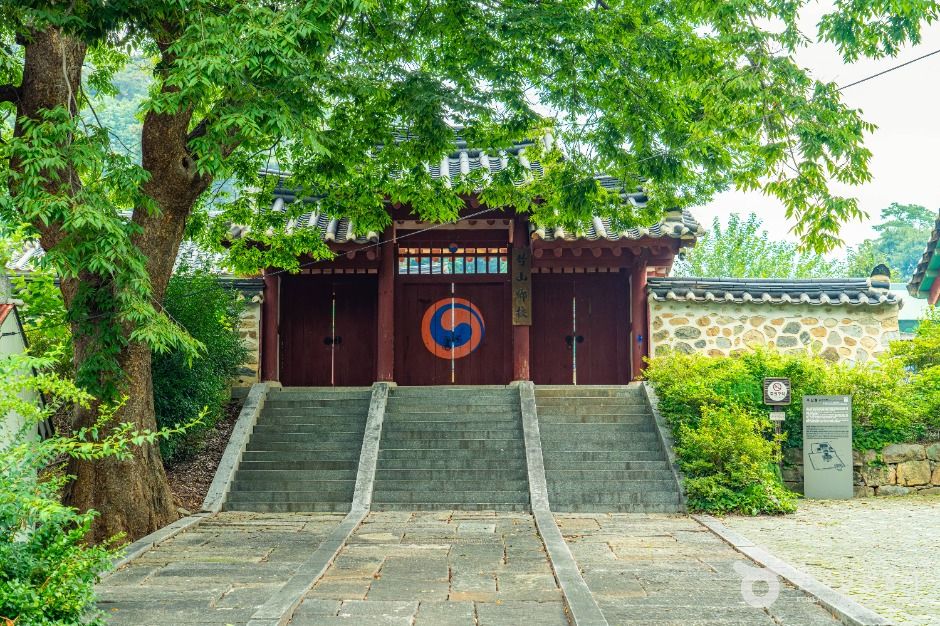
Anseong Jukjusanseong Fortress is a mountain fortress built during the Three Kingdoms period and used until the Joseon Dynasty to control the transportation and military strategic point where the north-south route through the central region and the east-west route connecting to the West Sea meet. Jukjusanseong Fortress is a triple fortress consisting of an inner fortress (main fortress), an outer fortress, and an inner fortress. This structure was created through multiple renovations due to its military importance. The main fortress, built in the earliest period, reaches a height of 6 to 10 meters, and a moat was dug outside the wall to enhance defense. Silla, which advanced northward to the Han River basin, built Jukjusanseong Fortress after the late 6th century, and it was renovated several times thereafter. This multi-period reconstruction reveals the layers of time contained within Jukjusanseong Fortress. The outer fortress was constructed in the early Goryeo Dynasty, expanding the scale by building a new wall on the northern wall of the Silla fortress. In the 23rd year of King Gojong of Goryeo (1236), General Song Mun-ju, the defense commander of Jukju, repelled the Mongol army's attack at Jukjusanseong Fortress. Reflecting this historical importance, a shrine for General Song Mun-ju is located within the fortress. During the Imjin War, in the 26th year of King Seonjo of Joseon (1593), Hwang Jin, the 5th-generation descendant of Prime Minister Hwang Hui and the commander of the Chungcheong Province army, also defeated the Japanese forces stationed at Jukjusanseong Fortress. After the Imjin War, to enhance the defense of Jukjusanseong Fortress, an inner fortress was built at a high point inside the main fortress, ultimately forming a triple fortress. Not only the structure of these overlapping fortresses but also the method of wall construction holds significant meaning. During the Joseon Dynasty, four gates were installed, and two bastions were placed at each end of the southern wall. The bastions were built with a lower section sloped at about 60 degrees using stone, a result of applying the construction techniques of Japanese castles built in the southern part of the Korean Peninsula during the Imjin War. Additionally, it is noteworthy that gunports, a new military facility due to the development of gunpowder weapons in the Joseon Dynasty, were installed in the main fortress. Meanwhile, archaeological excavations have confirmed that six or more Silla water collection facilities were arranged in the valley inside Jukjusanseong Fortress. To demonstrate the importance of traditional civil engineering and landscaping related to water resources, which a mountain fortress must have, the appearance of the water collection facilities was restored based on the original form.
OTA-ready stop
Built into inbound routes and day-tour planning.
Local context
경기도 안성시 죽산면 죽양대로 111-71
Travel fit
Attraction · Gyeonggi-do
![[Early bird] Elysian Gangchon Ski Tour from Seoul (5 pick-up points)](/_next/image?url=https%3A%2F%2Fadmin.holidaykr.com%2Fapi%2Fadmin%2Fsystem%2Fbasic-settings%2Ffavicon%3Fpath%3D%252Fuploads%252Fproducts%252Fthumbs%252F750_1785201339504_file1.jpg&w=3840&q=75)