Destination briefing
Why travelers stop here
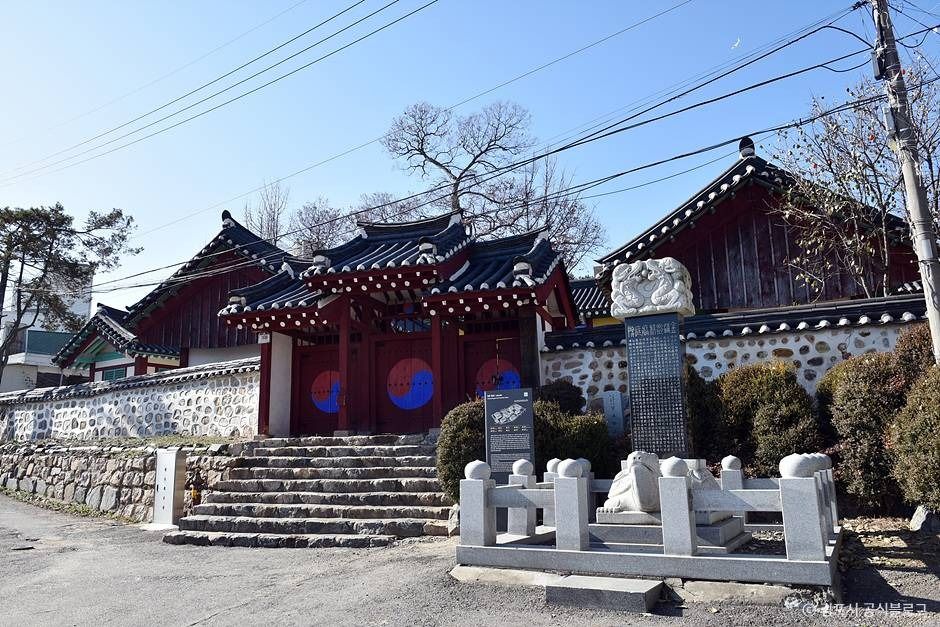
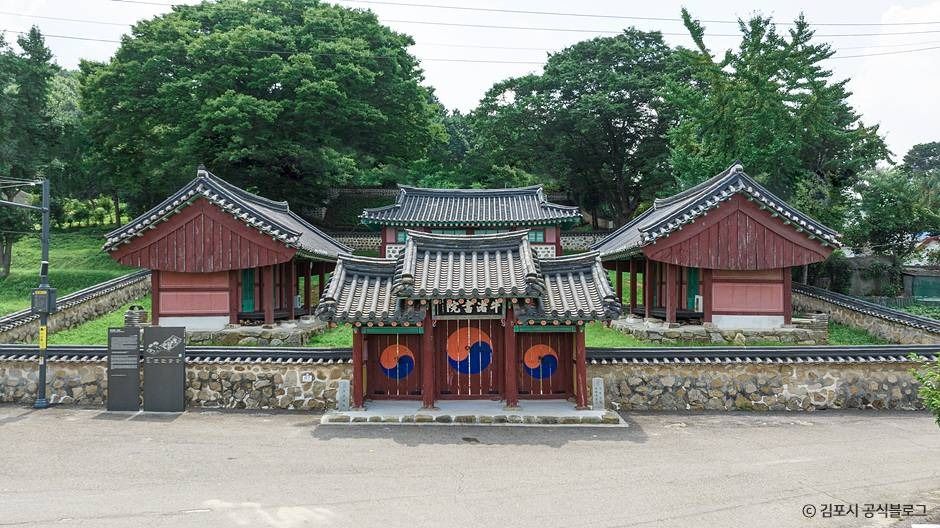
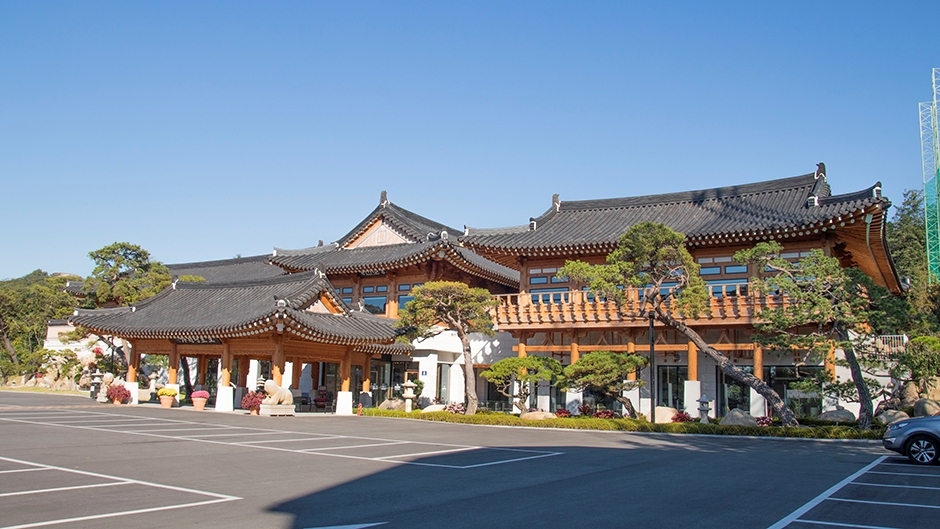
Geumjeongsa Temple was founded during the reign of King Jinheung of Silla (540–576). At the time of its founding, it was known only as 'Gosangsa Temple,' but no other records have been handed down. In the 5th year of King Injo of Joseon (1627), the king posthumously honored his father as Wonjong and his mother as Inheonwanghu, moving their tombs from Yangju to Gimpo and naming them Jangneung. The nearby Gosangsa Temple was relocated to its current site and rebuilt as a temple to protect Jangneung, and it was then called 'Bongneungsa Temple.' In 1930, the then-abbot Yeongsong Hwasang repaired the temple, and in 1938, the monk Seonghwa Daesa undertook a major renovation once again.
After the Korean War, the monks Jeongnyeong and Gogeun newly built the Daeungjeon (main hall) and Beomjonggak (bell pavilion). Additionally, the name was changed from Bongneungsa, meaning 'protecting the tomb,' to 'Geumjeongsa,' meaning 'heavenly well,' due to the Geumjeongsan mountain behind the temple and the excellent water springing up in front of the main hall. It has since continued as a center for propagation and practice in the Gimpo area.
OTA-ready stop
Built into inbound routes and day-tour planning.
Local context
경기도 김포시 승가로 125 (풍무동)
Travel fit
Attraction · Gyeonggi-do
![Gimpo Jangneung (Tomb of King Wonjong and Queen Inheon) [UNESCO World Heritage]](http://tong.visitkorea.or.kr/cms/resource/50/3361650_image2_1.jpg)
![[Early bird] Elysian Gangchon Ski Tour from Seoul (5 pick-up points)](/_next/image?url=https%3A%2F%2Fadmin.holidaykr.com%2Fapi%2Fadmin%2Fsystem%2Fbasic-settings%2Ffavicon%3Fpath%3D%252Fuploads%252Fproducts%252Fthumbs%252F750_1785201339504_file1.jpg&w=3840&q=75)