Destination briefing
Why travelers stop here
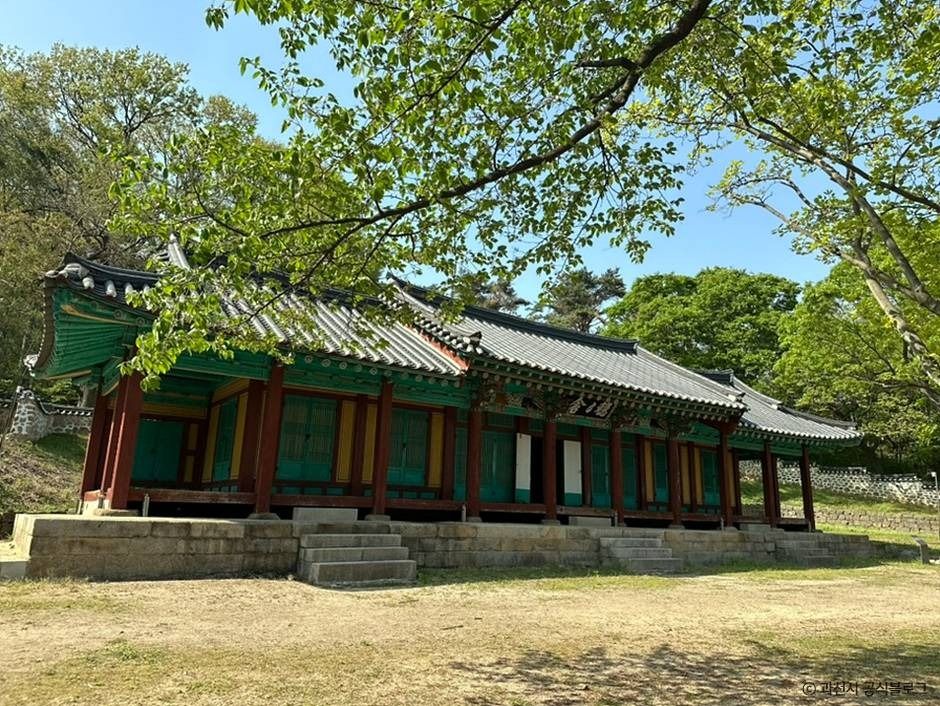
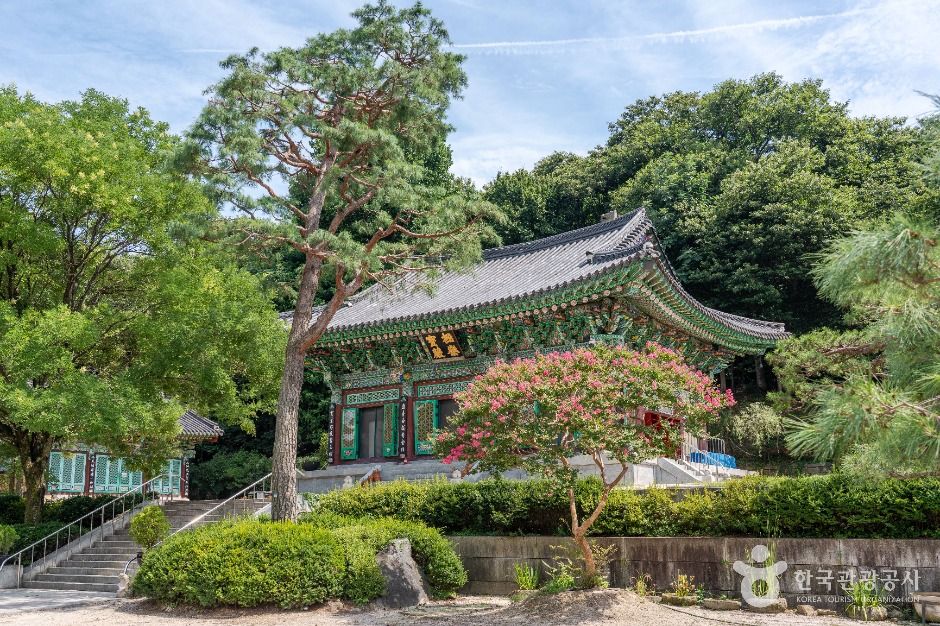
Gwacheon Hyanggyo was established in 1398 in Gwacheon-hyeon. Later, following the opinion of Confucian scholars who believed in feng shui theory that the site was unfavorable and thus no talented individuals emerged, it was moved to its current location in 1690. The educational space, Myeongnyundang, is placed in the front, and the ritual space, Daeseongjeon, is placed in the back. The front is for studying, and the back is for holding rituals. Daeseongjeon has a front width of 3 kan and a side depth of 2 kan, with a gable roof shaped like the Chinese character '人' (person) when viewed from the side. Myeongnyundang has a front width of 5 kan and a side depth of 2 kan; the central 3 kan have a wooden floor used as a lecture hall, while the east side has an ondol room and the west side has a room with a wooden floor. This appears to follow the precedent of preparing rooms for professors. The outer three gates (Oesammun) are in the style of a raised gate with a front width of 5 kan and a side depth of 2 kan, newly built in 1974, and in front of the outer three gates stands a red gate (Hongsalmun).
OTA-ready stop
Built into inbound routes and day-tour planning.
Local context
경기도 과천시 자하동길 18 (중앙동)
Travel fit
Attraction · Gyeonggi-do
![[Early bird] Elysian Gangchon Ski Tour from Seoul (5 pick-up points)](/_next/image?url=https%3A%2F%2Fadmin.holidaykr.com%2Fapi%2Fadmin%2Fsystem%2Fbasic-settings%2Ffavicon%3Fpath%3D%252Fuploads%252Fproducts%252Fthumbs%252F750_1785201339504_file1.jpg&w=3840&q=75)