Destination briefing
Why travelers stop here
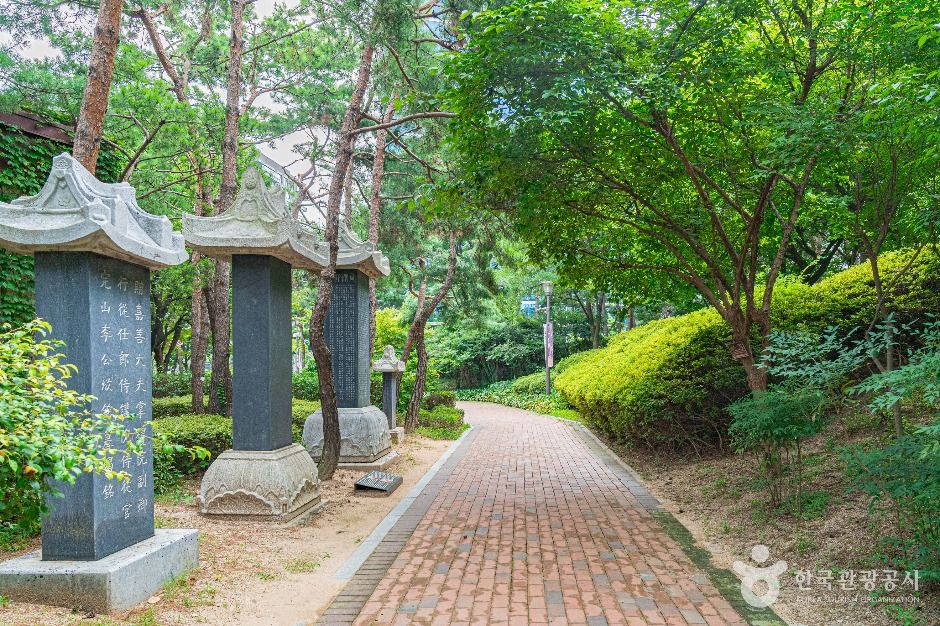
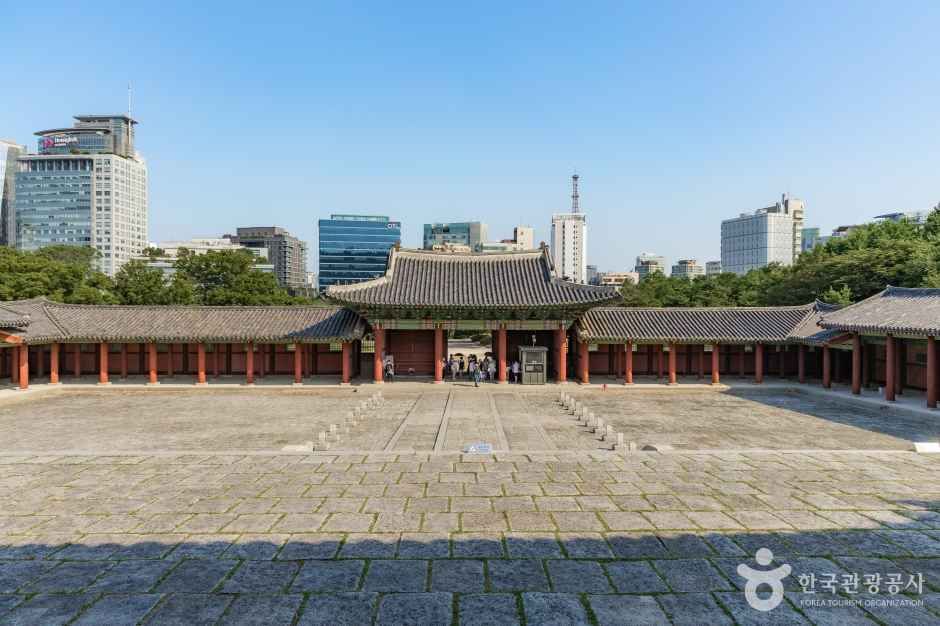
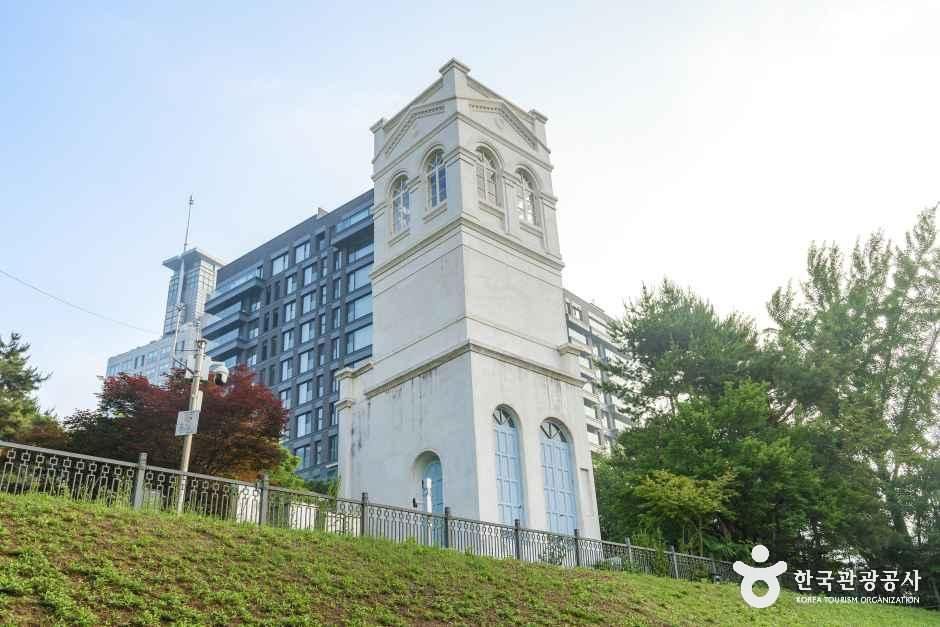
Heungnyemun Gate is the main gate of Gyeonghuigung Palace. Originally, there were five gates leading into Gyeonghuigung Palace: the main gate Heungnyemun, Heungwonmun to the east, Sunguimun to the west, Gaeyangmun to the south, and Mudeokmun to the north. At the time of its construction, Gyeonghuigung Palace was built on a smaller scale following the model of Changgyeonggung Palace, and the main gate was also built as a single-story structure. The shallow hill near Gyeonghuigung Palace was called 'Yajugae,' a name derived from the legend that the calligraphy on the signboard of Heungnyemun Gate was so masterful that it shone even at night, brightly illuminating the hill. Heungnyemun Gate was originally built east of Geumcheongyo Bridge, facing east toward Jongno, at the current site of the Salvation Army Hall building. However, during the Japanese colonial period, as the road was expanded in 1915, Heungnyemun Gate was moved slightly back from its original location, and its orientation was changed to face south, parallel to the road. In 1932, Heungnyemun Gate was removed to be used as the main gate for the construction of Bakmunsa Temple, a Buddhist temple dedicated to Ito Hirobumi. After Korea's liberation, Bakmunsa Temple was abolished, and the site was used for the VIP guesthouse and later the Shilla Hotel, with Heungnyemun Gate serving as its main gate. In 1988, as part of the Gyeonghuigung Palace restoration project, the Seoul Metropolitan Government relocated Heungnyemun Gate to the Gyeonghuigung Palace grounds. It was moved to its current location, where the old Gaeyangmun Gate once stood, and restored to revive its historical significance as the main gate of the palace. Address: 55 Saemunan-ro, Jongno-gu, Seoul (Sinmunno 2-ga)
OTA-ready stop
Built into inbound routes and day-tour planning.
Local context
서울특별시 종로구 새문안로 55 (신문로2가)
Travel fit
Attraction · Seoul


![[Early bird] Elysian Gangchon Ski Tour from Seoul (5 pick-up points)](/_next/image?url=https%3A%2F%2Fadmin.holidaykr.com%2Fapi%2Fadmin%2Fsystem%2Fbasic-settings%2Ffavicon%3Fpath%3D%252Fuploads%252Fproducts%252Fthumbs%252F750_1785201339504_file1.jpg&w=3840&q=75)