Destination briefing
Why travelers stop here
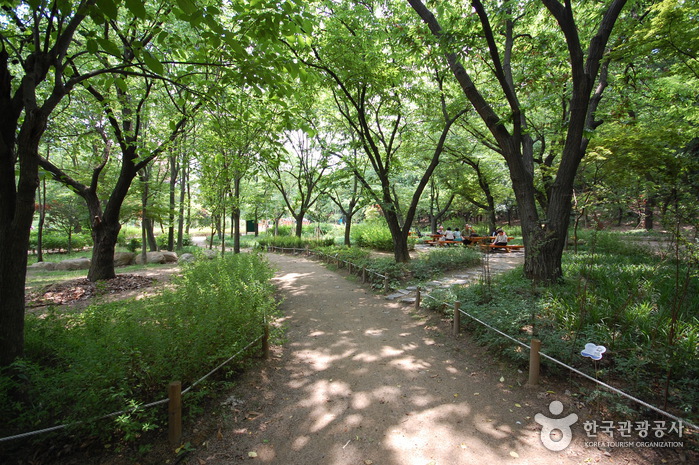
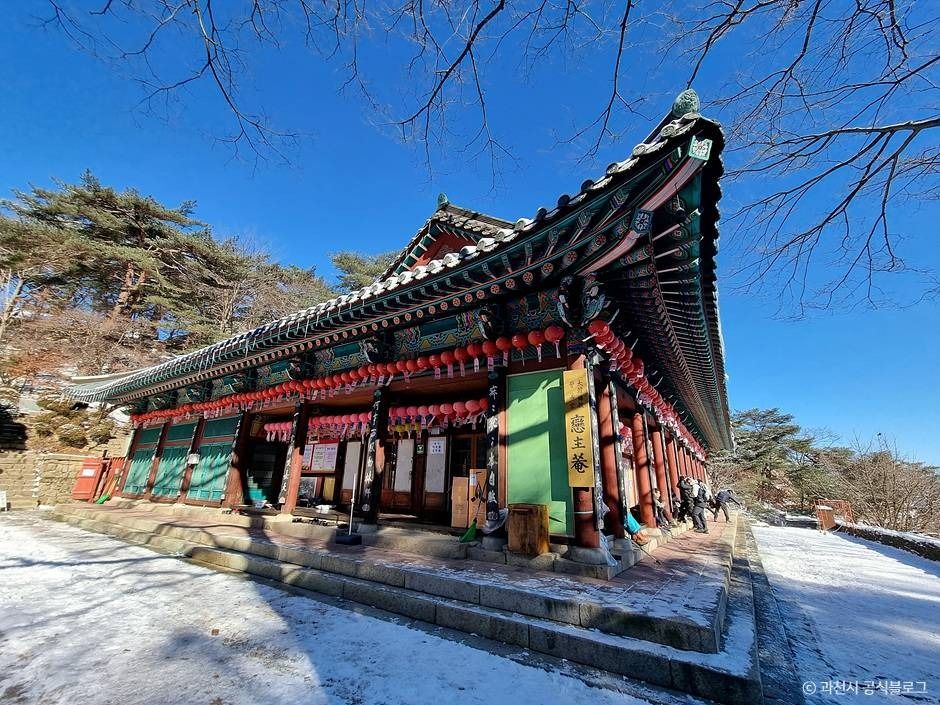
Gwanaksan (632.2m), rising south of the Han River in Seoul, is named for its summit rocks resembling a traditional hat (gat). In 1973, when Gwanak-gu was separated from Yeongdeungpo-gu, the mountain's name became the district's name. Designated as an urban natural park in 1968, it has become a beloved resting place for many Seoul citizens and a famous Seoul attraction. The rocky peaks exposed throughout Gwanaksan harmonize with deep valleys, creating a rugged mountain terrain. Being close to the city center, anyone can climb it in a day. In spring, cherry blossoms bloom near the entrance, and when azaleas bloom, an azalea festival is held. In summer, dense greenery and the majestic sound of Dongpokpo and Seopokpo waterfalls in the deep valleys are prominent; in autumn, the foliage is colorful; and in winter, the snow scenery showcases the mountain's grandeur. At the summit, it is said that when King Taejo Yi Seonggye of Joseon chose Seoul as the capital, he built two temples, Yeonjusa and Wongaksa, to counter the mountain's fiery energy. There are large and small temples and hermitages, including Wongaksa and Yeonjuam at the summit. Yeonjudae, perched on a precarious cliff, is where all hiking trails on Gwanaksan converge. Gwanaksan features a barrier-free forest trail climbing course and multiple hiking trails. A representative trail starts at the entrance of Seoul National University in Sillim-dong, Gwanak-gu, and another trail ascends behind Gwacheon Middle School in Jungang-dong, Gwacheon-si, Gyeonggi-do.
Address: Seoul, Gwanak-gu, Gwanak-ro, Daehak-dong area
OTA-ready stop
Built into inbound routes and day-tour planning.
Local context
서울특별시 관악구 관악로 대학동 일대
Travel fit
Attraction · Seoul





![[Early bird] Elysian Gangchon Ski Tour from Seoul (5 pick-up points)](/_next/image?url=https%3A%2F%2Fadmin.holidaykr.com%2Fapi%2Fadmin%2Fsystem%2Fbasic-settings%2Ffavicon%3Fpath%3D%252Fuploads%252Fproducts%252Fthumbs%252F750_1785201339504_file1.jpg&w=3840&q=75)