Destination briefing
Why travelers stop here
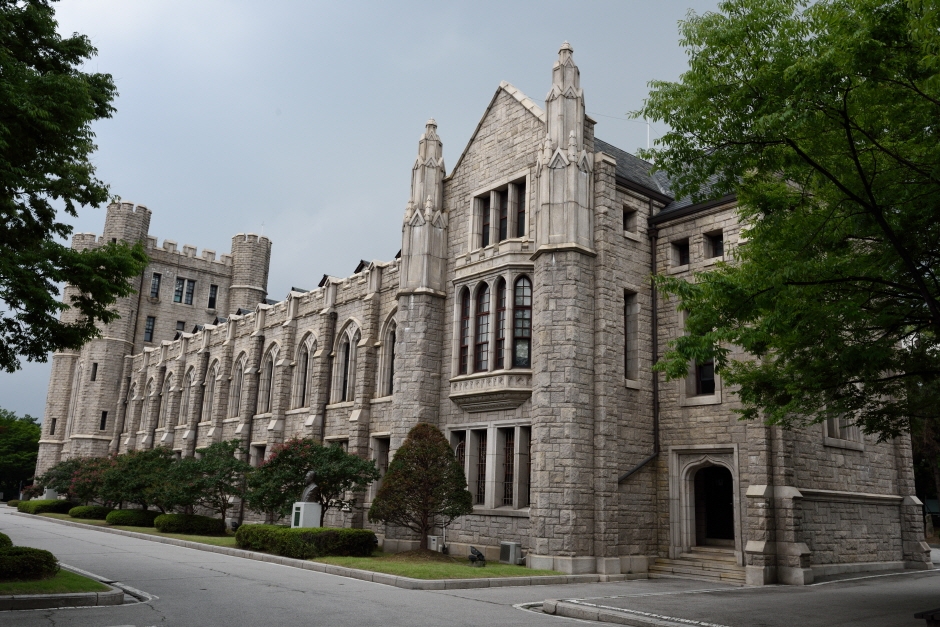
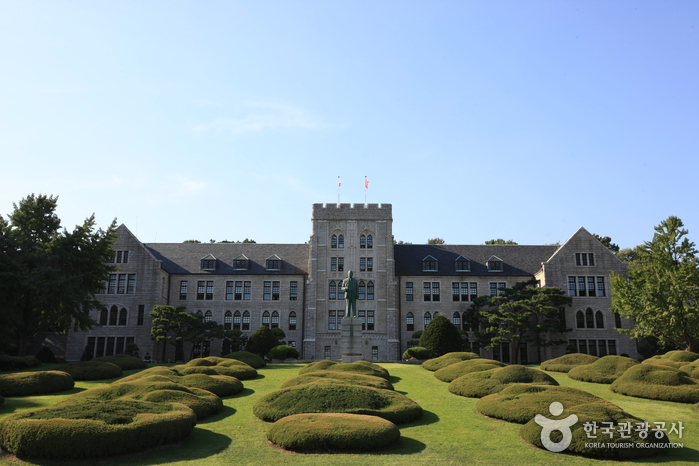
Korea University Museum is one of the first university museums in Korea, opening in 1934 by displaying folk items collected by Namchang Son Jin-tae in a part of the library. In 1936, with a donation from Lady An Ham-pyeong, folk artifacts were collected, and subsequent donations of artifacts from individuals like Shin Chang-jae and Park Jae-pyo helped establish its identity as a museum. In May 1962, a new building with a total floor area of 851 pyeong (approximately 2,813㎡), the largest among university museums in Korea at the time, was completed and became its new home. In 1973, it established the first modern art gallery in a domestic university, and in 1985, a modern ceramics gallery was added, growing into a central university museum through diverse exhibitions and active academic research and excavations. In May 2005, it moved and reopened in the Centennial Memorial Hall, completed for the 100th anniversary of Korea University's founding, and continues to this day. The museum's exhibition halls display about 600 items, including national treasures such as the Armillary Clock and Donggwoldo, classical paintings by Jeong Seon and Kim Hong-do, modern and contemporary artworks by Lee Jung-seop, Park Soo-keun, and Kwon Jin-kyu, as well as modern and contemporary historical records that have accompanied Korea University's history. Korea University Museum is a comprehensive museum housing diverse artifacts including archaeology, history, folklore, ceramics, calligraphy and painting, and modern art, with 3 national treasures and 5 treasures. It is evolving into a cultural platform for the university and local community through various exhibitions, cultural lectures, and educational programs. Additionally, through collection, preservation, academic research, and active exhibition and education activities, it strives to become a cultural space that interacts with the local community beyond the university campus. Meanwhile, in 2004, ahead of the 100th anniversary of the university's founding, an archives room (now the University Archives Division) was established to collect, organize, and display the university's historical materials, beginning the task of promoting Korea University's history and traditions. Currently, it also manages all administrative records of the university, serving as a university archives. Through systematic management of university records, it works to secure the university's identity and establish its legitimacy.
OTA-ready stop
Built into inbound routes and day-tour planning.
Local context
서울특별시 성북구 안암로 145 (안암동5가)
Travel fit
Culture · Seoul


![[Early bird] Elysian Gangchon Ski Tour from Seoul (5 pick-up points)](/_next/image?url=https%3A%2F%2Fadmin.holidaykr.com%2Fapi%2Fadmin%2Fsystem%2Fbasic-settings%2Ffavicon%3Fpath%3D%252Fuploads%252Fproducts%252Fthumbs%252F750_1785201339504_file1.jpg&w=3840&q=75)