Destination briefing
Why travelers stop here
As you follow the Jeonju Stream, which winds around Jeonju in a crescent shape from south to northwest, there are many places where rocky cliffs jut abruptly into the stream. Among them, Daga Park is famous for its lush trees and the scenic beauty of rocks reflected in the water, which has been designated as one of the Eight Views of Jeonju since early times. In May, the cliffs are adorned with white blossoms from the retusa fringe tree colony. Upon arriving at Daga Park, ancient trees over 300 years old greet visitors as if symbolizing the millennium-old city of Jeonju. In Daga Park, 26 monuments of non-oblivion and virtuous governance stand in a row, as if eloquently speaking of Jeonju's long history.
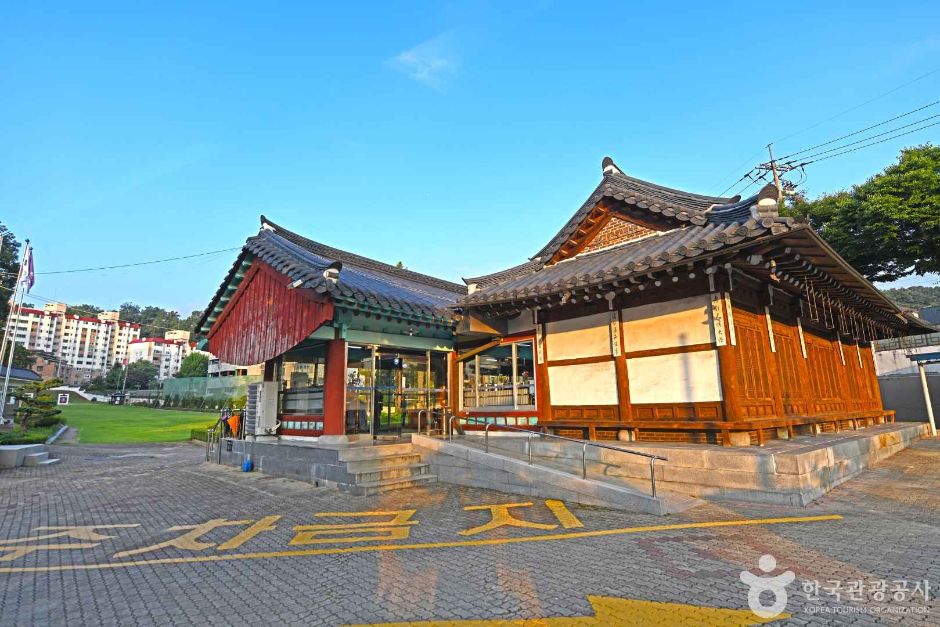
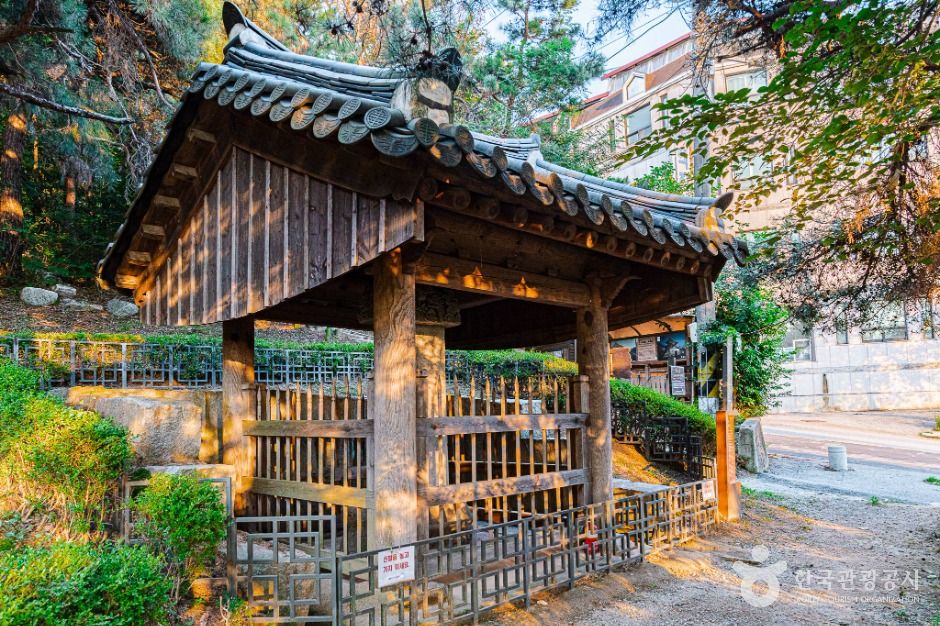
On Daga Mountain, besides Daga Park, there is a historic archery range. This place has served as a training ground for martial arts since ancient times. This archery range is called Cheonyangjeong. In the 28th year of King Sukjong of the Joseon Dynasty, local dignitaries in Jeonju gathered their intentions and built a four-bay pavilion next to Daga Stream, naming it Cheonyangjeong. The target board was set up under Hwanghakdae in the northwest. Nine years later, it was washed away by a great flood, and it was rebuilt at the foot of Daga Mountain, renamed Dagajeong after the mountain. Fifty-seven years later, in the 2nd year of King Jeongjo, a front garden was created, and wasteland was cultivated to expand the archery range. In the 30th year of King Sunjo, in the 8th month, Ilsajeong was built within the grounds of Dagajeong, and the target board was installed to the south. At that time, it was again called Cheonyangjeong. Since then, this place has been used by the elderly, while Dagajeong, where arrows are shot facing north, has been used as an archery range for adults.
OTA-ready stop
Built into inbound routes and day-tour planning.
Local context
전북특별자치도 전주시 완산구 전주천서로 231 (중화산동1가)
Travel fit
Attraction · Jeollabuk-do

![[Early bird] Elysian Gangchon Ski Tour from Seoul (5 pick-up points)](/_next/image?url=https%3A%2F%2Fadmin.holidaykr.com%2Fapi%2Fadmin%2Fsystem%2Fbasic-settings%2Ffavicon%3Fpath%3D%252Fuploads%252Fproducts%252Fthumbs%252F750_1785201339504_file1.jpg&w=3840&q=75)