Korea's spring festivals, March to May 2027: cherry blossoms, Jeju canola, tulips, butterflies, tea and royal rites. Dates as of 2026-10-11.
Cherry blossoms: Jinhae and Yeouido
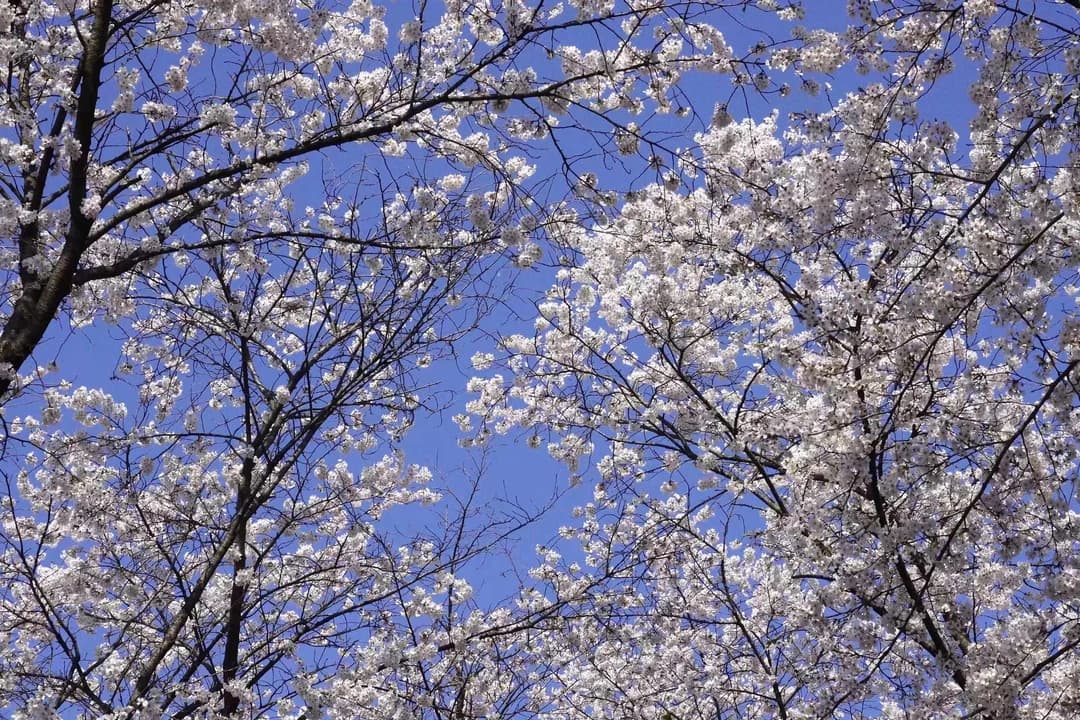
Cherry blossoms are the best-loved flower season in Korea. The bloom front moves north through the country over a few weeks: Jeju and the south coast flower first in late March, the naval town of Jinhae follows at the end of March, and Seoul peaks in early April. Festivals are timed to the flowers, so dates shift with the weather. Plan for a window rather than a date, travel on weekdays or early in the morning if you can, and expect roads near the biggest festivals to be closed to cars.
Jinhae Gunhangje Festival (진해군항제) · Jinhae-gu, Changwon, South Gyeongsang (Yeojwacheon stream, Gyeonghwa Station, Jungwon Rotary)
When: Usually from the end of March to the first days of April, about ten days, following the bloom. The 64th edition ran 27 Mar to 5 Apr 2026 (as of 2026-10-11). The next edition’s dates are added once announced.
Highlights: Cherry-lined streets and streams across a naval town, with a military band and honor-guard festival, a naval academy tour, air-force aerobatic flights, a cherry blossom music festival, a K-pop dance contest and a memorial rite and victory parade for Admiral Yi Sun-sin. Evenings often include coastal fireworks (as of 2026-10-11).
Best time & crowds: Weekends are very crowded, so a weekday morning is calmer. Evenings are good for lit blossoms along the stream, and military band performances tend to run in the evenings and at weekends.
Entry: Free to enter the outdoor festival areas in 2026; some programs and experiences charge separately (as of 2026-10-11).
From Seoul: Jinhae is in the south-east, a long trip from Seoul. Take the KTX or an express bus toward the Changwon area, then a local bus or taxi; plan an overnight stay, and expect heavy traffic on weekends.
Nearby: Yeojwacheon stream, Gyeonghwa Station cherry road, Jehwangsan Park, Jinhae Museum
Tips: Spread your visit over two spots, such as the stream and a hilltop park, rather than racing around. Leave early on weekends. Program details and site layout change each year and are added once announced.
Related guide: The Intercity trains & buses guide and the Korea weather guide help with planning around the bloom.
Yeouido Spring Flower Festival (영등포 여의도 봄꽃축제) · Yunjung-ro (Yeouiseo-ro) cherry road and Han River bank near the National Assembly, Yeongdeungpo, Seoul
When: Usually early April, around five days, timed to the bloom. The 2026 edition ran 3-7 Apr 2026; some sources gave 8-12 Apr, but the district’s traffic notice and the Korea Tourism Organization guide pointed to 3-7 Apr (as of 2026-10-11). In 2026 the first blossoms opened on 29 Mar and the peak was around 3-4 Apr (as of 2026-10-11). The next edition’s dates are added once announced.
Highlights: A walk through a long tunnel of cherry trees beside the National Assembly, with performances and food zones around the festival ground. The Han River bank beside the road adds picnic views.
Best time & crowds: Early morning on a weekday is the calmest; peak-bloom weekends and evenings are very crowded. The district closed roads to cars from the afternoon of 1 Apr to 2 p.m. on 8 Apr in 2026 (as of 2026-10-11).
Entry: Free.
From Seoul: The festival is in central Seoul. Take the Subway to National Assembly Station on Line 9 or Yeouinaru Station on Line 5 and walk; leave the car behind because of the traffic control.
Nearby: Yeouido Park, Han River Park, the 63 Building area
Tips: Use public transport and walk in. Bloom timing decides the real dates, so keep a spare day in case the bloom comes early or late. Bring a light layer for the river breeze.
Related guide: The Subway guide and the Seoul region guide help to reach and explore Yeouido.
Jeju through the year: fire, canola, camellia and Hallasan
Jeju is warmer than the mainland and its flower and fire traditions start early: camellias bloom in the cold months, canola fields turn yellow in spring and a fire festival marks the first full moon season in March. Hallasan, the island’s mountain, is a draw in every season; its autumn colors are covered in another section. Jeju is reached by a short flight from Seoul, and a rental car makes it easier to reach the scattered sights.
Jeju Fire Festival, Deulbul (제주들불축제) · Saebyeol Oreum, Aewol-eup, Jeju City
When: Usually early to mid March, around the first full moon season. The 2026 edition ran 9-14 Mar 2026, with preparatory events on 9-12 Mar, the opening on 13 Mar and the finale on 14 Mar (as of 2026-10-11). The next edition’s dates are added once announced.
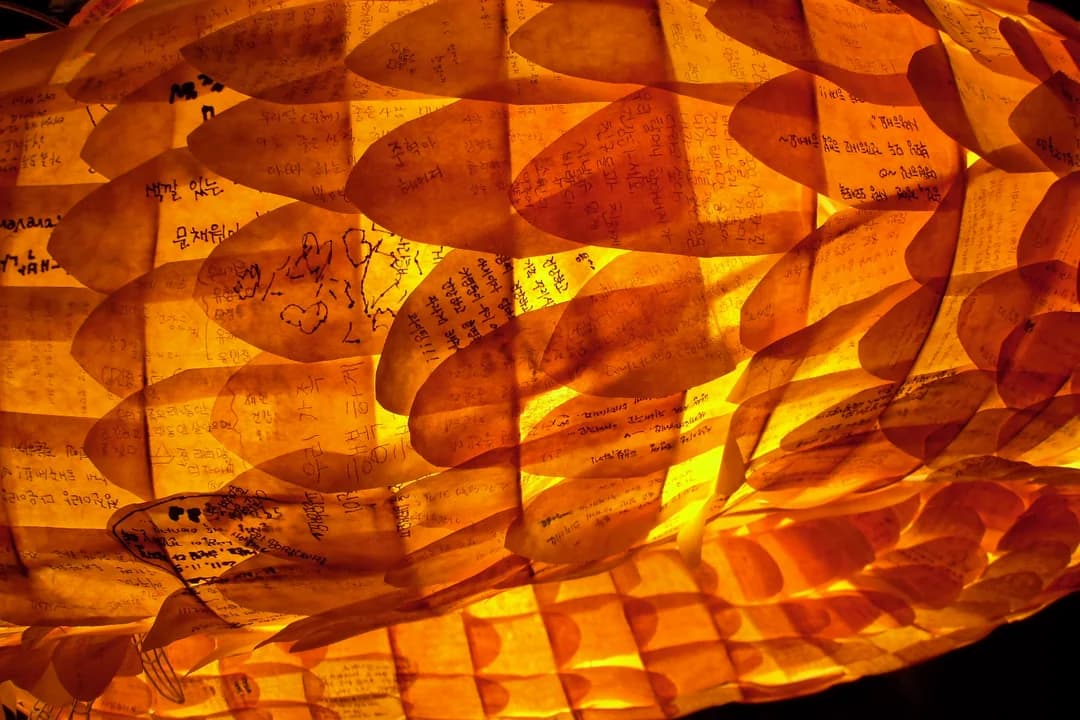
Highlights: The traditional burning of an entire hillside has been replaced since 2023 by a “digital fire-lighting” media-art show over Saebyeol Oreum. The 2026 edition brought back small real flames: a torch parade, fireworks and the burning of a moon-house structure (the first night was scaled back to one small moon house over spark concerns). Wish-paper writing, a folk-music parade and guided oreum tours were also offered (as of 2026-10-11).
Best time & crowds: The finale evening is the main draw. Arriving in late afternoon leaves time to climb the oreum before dark. Summit areas are windy and exposed.
From Seoul: Fly from Seoul to Jeju, then take a taxi, bus or rental car to Aewol, on the north-west of the island. Plan to allow time to reach the site before the evening program.
Nearby: Aewol coast, Hallim, Hyeopjae Beach
Tips: Wear a windproof jacket and sturdy shoes for the oreum. Fire-related programs can be cut back for safety, so treat the burning scenes as optional. Illegal street stalls were blocked in 2026, so food is mostly from authorized vendors (as of 2026-10-11).
Related guide: The Jeju region guide and the Airport transfers to the regions guide help with getting around.
Jeju Canola Flower Festival (제주 유채꽃축제) · Noksan-ro and Gasi-ri area, Seogwipo, Jeju
When: Usually early April, over a weekend, at peak bloom. The 43rd edition ran 4-5 Apr 2026 (as of 2026-10-11). Some private flower parks keep canola fields open much longer, for example one park listed 20 Jan to 13 Apr in 2025 (as of 2026-10-11). The next edition’s dates are added once announced.
Highlights: Yellow canola along the Noksan-ro road, often with cherry blossoms in the same weeks; a canola run, busking performances and local food stalls. The 2026 edition added an evening opening of the fields with warm lighting from 17:00 to 20:00 on 4 Apr (as of 2026-10-11).
Best time & crowds: Photos look best before 10:00 or after 16:00, when the light is softer. Weekdays are calmer; on weekends arrive early.
Entry: The festival is free. Some privately run canola plots charge a small fee for photography, around 1,000 to 2,000 won (as of 2026-10-11).
From Seoul: Fly from Seoul to Jeju and rent a car; public transport reaches Gasi-ri, but driving the Noksan-ro road is the main draw.
Nearby: Seopjikoji and Gwangchigi Beach, Jeonnong-ro cherry blossom road in Jeju City
Tips: Wear white or pale blue to stand out against the yellow. Some plots are private and charge for photos, so expect to pay at certain fields. Bloom timing varies with the weather.
Related guide: The Jeju region guide and the Airport transfers to the regions guide help with getting around the island.
Jeju camellia season (제주 동백) · Camellia Hill (Andeok-myeon) and Hueree Natural Park (Namwon-eup), Seogwipo, Jeju
When: A winter flower season rather than a dated festival: camellias bloom from about November or December into March, so they are one of the few flowers to see in the cold months.
Highlights: Camellia Hill is a garden with thousands of camellia trees of many kinds; the park describes winter as the best bloom time. Hueree Natural Park is also known for winter camellias, and in winter you can pick mandarins from its grove.
Best time & crowds: Daytime opening hours are usually from morning to early evening and slightly shorter in winter. Weekdays are calmer, and cold sunny days show the red flowers well.
Entry: Paid; both are privately run parks. Amounts are added once confirmed.
From Seoul: Fly from Seoul to Jeju, then use a rental car or a taxi to Seogwipo; the parks are a short drive apart from many south-coast sights.
Nearby: Seogwipo coast, Hallasan foothills, Jeju’s mandarin groves
Tips: Dress in layers for winter sea breezes. A day trip can combine the camellias with mandarin picking and other south-coast stops. Bloom varies by variety and weather.
Related guide: The Jeju region guide and the Korea weather guide help with planning.
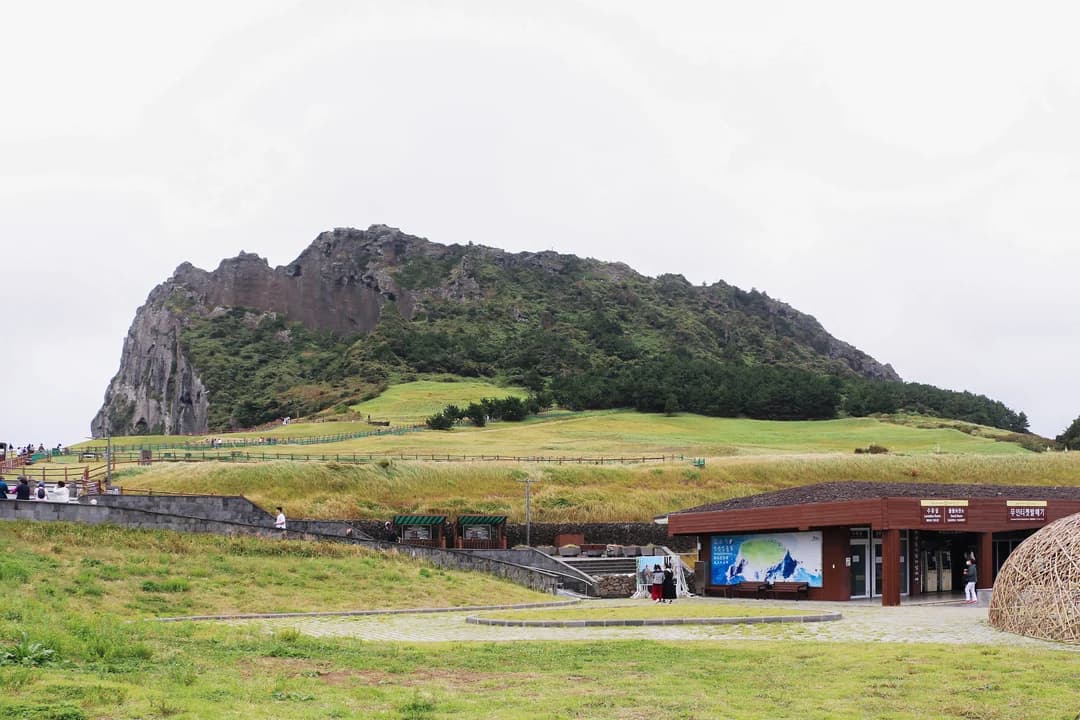
Hallasan in winter and spring (한라산) · Hallasan National Park, Jeju (about 1947 m, the highest peak in South Korea)
When: Snow usually covers the upper slopes in winter, from about December into March, and azaleas flower on the mountain in late spring. Both are seasonal tendencies that vary with the weather.
Highlights: Five trails reach the mountain. Gwaneumsa (8.7 km) and Seongpanak (9.6 km) lead to the summit; Eorimok (4.7 km), Yeongsil (3.7 km) and Donnaeko (9.1 km) end at Witse Oreum, below the summit, and the rest of the route to the peak is closed to protect vegetation (as of 2026-10-11).
Best time & crowds: Start early, because winter days are short and trails can close earlier than in summer. Clear mornings usually give the best views.
From Seoul: Fly from Seoul to Jeju, then take a bus, taxi or rental car to the trailhead you choose.
Nearby: Seogwipo coast, Camellia Hill, Jeju’s forest roads
Tips: Summit hikes need an advance reservation through the park’s reservation system, so book before you travel. In winter bring crampons or grippy boots, a windproof shell, gloves and a headlamp. The mountain’s autumn colors are covered in another section.
Related guide: The Jeju region guide and the Korea weather guide help with planning a hike.
April: tulips, barley fields and slow islands
April is when Korea’s countryside turns into a patchwork of color. Tulip gardens on the west coast, green barley fields in North Jeolla, a walking festival on a slow-life island and a royal-history festival in Gangwon all fall in this month, and most follow the bloom, so the exact dates shift a little each year.
Taean Tulip Festival at Korea Flower Park (태안 세계튤립꽃박람회) · Mageompo area, Nam-myeon, Taean, South Chungcheong
When: Usually April into early May, timed to the tulip bloom. The 2026 edition ran 1 Apr-6 May, 09:00-18:00 daily (as of 2026-10-11). The next edition’s dates are added once announced.
Highlights: A Versailles-style garden as the main display, large tulip beds, a big new sculpture, booths selling Taean flowers and local farm produce, and animal feeding for families.
Best time & crowds: Peak bloom for 2026 was forecast for 15-25 Apr (as of 2026-10-11). The grounds close at 18:00, so late afternoon light suits photos; weekends tend to be busier.
Entry: Paid. In 2026 the on-site adult ticket was 14,000 won, and the online early-bird price was 12,000 won if booked at least a day ahead (as of 2026-10-11).
From Seoul: Reach Taean by intercity bus from Seoul, then take a taxi to the grounds in Nam-myeon, which is away from the town center.
Nearby: Kkotji Beach, where the tulip expo was held in earlier years.
Tips: Pets are allowed on a leash with waste bags. A night light display continues after the expo ends. Wear comfortable shoes for the garden paths.
Related guide: The festival calendar guide lists more spring flower events.
Sinan Island Tulip Festival (신안 섬 튤립축제) · Imja-do (Imja-myeon), Sinan, South Jeolla; the 1004 Island Tulip and Red Plum Garden near Daegwang Beach
When: Usually about ten days in mid-April. The 2026 edition, the 16th, ran 10-19 Apr (as of 2026-10-11). The next edition’s dates are added once announced.
Highlights: Island fields of about one million tulips in over 30 varieties (as of 2026-10-11), live performances, hands-on activities and stalls selling island specialties.
Best time & crowds: The gardens are outdoors, so clear weekdays tend to be calmer than weekends. Bloom timing follows the spring weather.
From Seoul: This is an island trip, so allow a full day including the ferry connection.
Nearby: Daegwang Beach, a long white-sand beach next to the garden; Jo Hee-ryong Art Museum.
Tips: Ferry timetables can change with the weather, so keep your schedule flexible. Wind on the coast can be cool even on sunny days; bring a light jacket.
Cheongsando Slow Walking Festival (청산도 슬로걷기축제) · Cheongsando island, Wando, South Jeolla
When: Usually all of April, while the canola flowers bloom. The 2026 edition, the 16th, ran 1-30 Apr with the opening ceremony on 4 Apr (as of 2026-10-11). The next edition’s dates are added once announced.
Highlights: Walking the Slow Trail of 11 courses and 42.195 km across the island (as of 2026-10-11), a concert among the canola fields, barefoot beach walks, a star-gazing tour and a Slow Trail treasure hunt. The island was named Asia’s first Slow City.
Best time & crowds: Daytime walking is the core; the island is quietest early in the morning and on weekdays. Start the long courses early so you are not rushing for the return ferry.
Entry: No participation fee was stated for the festival activities; the ferry from Wando is paid separately.
From Seoul: Travel to Wando in South Jeolla first, then take the ferry to the island. Plan a full day or an overnight stay.
Tips: Wear walking shoes and bring layers, since sea wind makes the island cooler than the mainland. Ferry runs can be delayed by weather, so leave a time buffer for the last boat.
Gochang Green Barley Field Festival (고창 청보리밭축제) · Hakwon Farm, Gongeum-myeon, Gochang, North Jeolla
When: Usually from mid-April to early May while the barley is green. The 2026 edition ran 18 Apr-10 May, 08:30-18:30 (as of 2026-10-11). The next edition’s dates are added once announced.
Highlights: Wide green barley fields covering roughly 770,000 sq m (as of 2026-10-11), canola in places, and a cabin area made famous by a TV drama that draws photo queues.
Best time & crowds: On weekends, arriving before 09:00 or after 16:00 tends to avoid the crowds, and the late sun gives golden light. The entry gate stops admitting visitors at 17:50 (as of 2026-10-11).
Entry: Paid. In 2026 the inner field paths cost 3,000 won per person with a wristband, and parking was 10,000 won per car, refunded as a local gift voucher (as of 2026-10-11). Viewing from the outer road is free.
From Seoul: Gochang is in North Jeolla; take an intercity or express bus to Gochang and continue by taxi or car to the farm.
Tips: On weekends and holidays a shuttle from Seondong Elementary School eases the parking queue (as of 2026-10-11). Pets are allowed on a leash with waste bags. Bring a hat; the fields have little shade.
Yeongwol Danjong Culture Festival (영월 단종문화제) · Yeongwol, Gangwon; Jangneung royal tomb, the Donggang riverside and Cheongnyeongpo
When: Usually late April, over three to four days. The 2026 edition, the 59th, was held 24-26 Apr, with one report giving four days (as of 2026-10-11). The next edition’s dates are added once announced.
Highlights: A re-enactment of King Danjong’s state funeral procession on 25 Apr 2026, the main event (as of 2026-10-11); a new exile-boat re-enactment to Cheongnyeongpo; a re-staged royal wedding; a kudzu-vine tug-of-war; a drone show; and an open-air musical in the Jangneung pine forest on weekends.
Best time & crowds: The funeral procession day is the busiest and the most photogenic. Evening events such as the drone show suit a late start; bring layers for chilly nights in the mountains.
From Seoul: Yeongwol is in the mountains of Gangwon; take an intercity bus from Seoul and use local buses or taxis between the sites.
Nearby: Cheongnyeongpo, the riverside place of Danjong’s exile; Jangneung, his tomb; Gwanpunghon.
Tips: The story behind the festival is the tragic young king, so a little background on Danjong adds a lot. Wear comfortable shoes; the sites are spread out.
Related guide: The Gangwon region guide covers other sights in the province.
Late April to early May: butterflies, tea and clay
Many of the southern and central festivals bunch up around the early-May holiday block, with Children’s Day on 5 May (as of 2026-10-11). The sites below are mostly outdoors, family-friendly and tied to local crafts or farming. Crowds, parking queues and train seats all peak on holiday weekends, so book transport early and aim for weekday mornings where you can.
Hampyeong Butterfly & Flower Festival (함평나비대축제) · Hampyeong Expo Park, Hampyeong, South Jeolla
When: Usually about 12 days from late April into early May. The 2026 edition, the 28th, ran 24 Apr-5 May, 09:00-18:00, with entry closing at 17:30 (as of 2026-10-11). The next edition’s dates are added once announced.
Highlights: Butterfly release and feeding experiences, a new butterfly-themed learning and play space called Nabit Park in 2026 (as of 2026-10-11), flower fields, hands-on activities, and mostly afternoon concerts by guest singers.
Best time & crowds: Weekday mornings are calmer; the Children’s Day weekend is the peak. Concerts cluster in the afternoon, so do the butterfly experiences first.
Entry: Paid. In 2026 the advance price (10% off) was 6,300 won for adults, 4,500 for teens and 2,700 for children and seniors; on site it was 7,000, 5,000 and 3,000 won (as of 2026-10-11). Tickets came with coupons for festival booths and local shops.
From Seoul: In 2026 the KTX stopped at Hampyeong Station on festival days (24-26 Apr and 1-5 May), with a shuttle to the festival parking area and a ticket discount for KTX riders (as of 2026-10-11). Similar arrangements may return, but this is not guaranteed.
Nearby: Hampyeong Ecological Park, with insect and butterfly exhibits; the rest of Hampyeong Expo Park.
Tips: The festival ticket gave half-price entry to the nearby ecology parks on the same day in 2026 (as of 2026-10-11). Hampyeong is known for Korean beef, with restaurants around the town center. Bring a hat and sunscreen for the open grounds.
Related guide: Intercity trains & buses explains how the KTX and express buses work.
Boseong Green Tea Festival (보성다향대축제) · Korea Tea Culture Park and the tea fields, Boseong, South Jeolla
When: Held in early May, around the holiday block. The 2026 edition, the 49th with a matcha theme, ran 1-5 May, with performances until 19:00 (as of 2026-10-11). The next edition’s dates are added once announced.
Highlights: An afternoon tea party among the tea fields, tea-picking and tea-making experiences, a Boseong tea masters’ cup contest, a green tea “olympics”, forest meditation, a green tea foot bath and a green tea dessert class.
Best time & crowds: Afternoon is the liveliest time, with performances running into the evening. Holiday weekends bring the biggest crowds.
Entry: Free entry; some experiences cost extra.
From Seoul: Take an express bus from Seoul’s Central City Terminal to Boseong. It is a long trip, so plan an overnight stay.
Nearby: Daehan Dawon tea plantation; the Korea Tea Culture Park itself.
Tips: Bring layers and a hat; the tea slopes are open and breezy. Matcha and tea products are sold at the venue.
Related guide: Intercity trains & buses helps with bus terminals and tickets.
Hadong Wild Tea Culture Festival (하동야생차문화축제) · Hwagae-myeon, Hadong, South Gyeongsang; around the Wild Tea Healing Center and Wild Tea Museum
When: Usually early May. The 2026 edition, the 29th, ran 1-5 May, 10:00-18:00 (as of 2026-10-11). The next edition’s dates are added once announced.
Highlights: A tea offering ritual at the birthplace of Korean tea, tea-cup busking, tea ceremony and tea-making, tea classes and book talks, a walk along the Horizon Path, a tea market and a food zone.
Best time & crowds: Daytime hours suit the tea experiences; 5 May has extra family programs, which also makes it busier (as of 2026-10-11).
Entry: Free entry; some experiences are paid. In 2026 the paid items ranged from about 2,000 to 10,000 won, for example 5,000 won for a tea-master session and 10,000 won for a green tea foot bath (as of 2026-10-11).
From Seoul: Hadong is in South Gyeongsang near the Jirisan foothills. It is a long trip from Seoul, so plan an overnight stay.
Tips: Pay for individual experiences on site; a 3-type pass for outdoor booths cost 5,000 won in 2026 (as of 2026-10-11). Bring layers for the hillside.
Icheon Ceramics Festival (이천도자기축제) · Icheon, Gyeonggi; the Icheon Ceramics Art Village (YesPark) and the Sagimakgol pottery village
When: Usually from late April to early May, about 12 days. The 2026 edition, the 40th, ran 24 Apr-5 May (as of 2026-10-11). The next edition’s dates are added once announced.
Highlights: A masters’ workshop where potters work in front of visitors, an outdoor sales stretch of about 1 km where artists sell directly (as of 2026-10-11), a contemporary ceramics exhibition, gallery tours, a hands-on experience trail and village markets.
Best time & crowds: Weekdays are easier for talking to artists and trying hands-on activities; weekends and the holiday days tend to be busy.
From Seoul: Icheon lies southeast of Seoul in Gyeonggi; travel by bus or train toward Icheon, then use a local bus or taxi to the ceramics village.
Tips: Wear comfortable shoes for the long outdoor sales stretch. Buy fragile pieces last and ask the seller to wrap them for travel.
Related guide: The Gyeonggi day-trip guide has other easy trips from Seoul.
Damyang Bamboo Festival (담양대나무축제) · Juknokwon bamboo garden and nearby venues, Damyang, South Jeolla
When: Usually early May. The 2026 edition, the 25th, ran 1-5 May under the slogan Shine, Bamboo (as of 2026-10-11). The next edition’s dates are added once announced.
Highlights: Night opening of the Juknokwon bamboo forest, a speed-drone contest and a drone-building activity for children, youth dance and kids’ musical performances, and an outdoor bamboo-forest cinema on one evening.
Best time & crowds: Go in the daytime for the green bamboo walk, then stay for the night opening when the grounds are lit. Holiday afternoons tend to be crowded.
Entry: The festival is free. Juknokwon’s 3,000 won admission was refunded in full as coupons usable at nearby shops (as of 2026-10-11).
From Seoul: Damyang is in South Jeolla; take an intercity bus from Seoul, then walk or take a local bus or taxi to the bamboo garden.
Nearby: Juknokwon bamboo forest; Metasequoia Road; Soswaewon garden.
Tips: Keep the refund coupons and spend them in local shops before you leave. Bring a light layer for the evening.
Namwon Chunhyang Festival (남원 춘향제) · Gwanghallu Garden and the Yocheon riverside, Namwon, North Jeolla
When: Usually from late April to early May, about a week. The 96th edition ran 30 Apr-6 May 2026 under the slogan The Charm of Chunhyang, Enchanting the World (as of 2026-10-11). The next edition’s dates are added once announced.
Highlights: A Chunhyang beauty pageant, a hanbok fashion show, the memorial rite for Chunhyang, a carnival with story-based performances, a gugak and pansori contest, a Chunhyang rap and pansori stage, and a lantern procession at Gwanghallu.
Best time & crowds: Evenings with the lantern procession tend to be atmospheric, while daytime suits the hanbok and food areas. Weekends and the holiday days are busiest.
Entry: Mostly free to enter, with some programs charging separately.
From Seoul: Namwon is in North Jeolla; travel by train or express bus toward Namwon, then walk or take a taxi to the garden.
Nearby: Gwanghallu Garden, a nationally designated scenic site, hosts much of the festival.
Tips: The festival retells the classic love story of Chunhyang and Mongryong, so knowing the outline helps. Bring layers for the evening.
Goyang International Flower Festival (고양국제꽃박람회) · Ilsan Lake Park, Goyang, Gyeonggi
When: Usually about 17 days from late April to early May. The 2026 edition, the 18th, ran 24 Apr-10 May, 09:00-19:00, under the theme Flowers Dyeing Time (as of 2026-10-11). The next edition’s dates are added once announced.
Highlights: Themed outdoor gardens over about 250,000 sq m around the lake (as of 2026-10-11), a rose festival area with a workshop, flowers from about 30 countries, flower-arranging contests, concerts on three stages and a flower market.
Best time & crowds: The ticket booth closed at 17:20 and the last entry was 17:30 in 2026 (as of 2026-10-11), so arrive by mid-afternoon. Weekends and holidays are crowded, with shuttles running every few minutes.
Entry: Paid admission; ticket prices for the next edition are added once announced.
From Seoul: By subway, take Line 3 to Jeongbalsan Station, Exit 1, then walk about 10 minutes; or take the GTX-A to Kintex Station and walk about 20 minutes (as of 2026-10-11). Shuttle buses run from the rose parking lot to the venue.
Nearby: Ilsan Lake Park itself; the KINTEX exhibition center.
Tips: Use public transport on busy days because parking fills early. Comfortable shoes help, as the gardens are large.
Related guide: Subway shows how to read the Seoul and Gyeonggi lines.
If you plan more than one of these over the holiday block, pick sites that share a direction, since most are rural and need a bus or taxi after the train. Reserve train seats and accommodation well ahead for the holiday dates.
Film and flowers in Jeonju, roses and sand
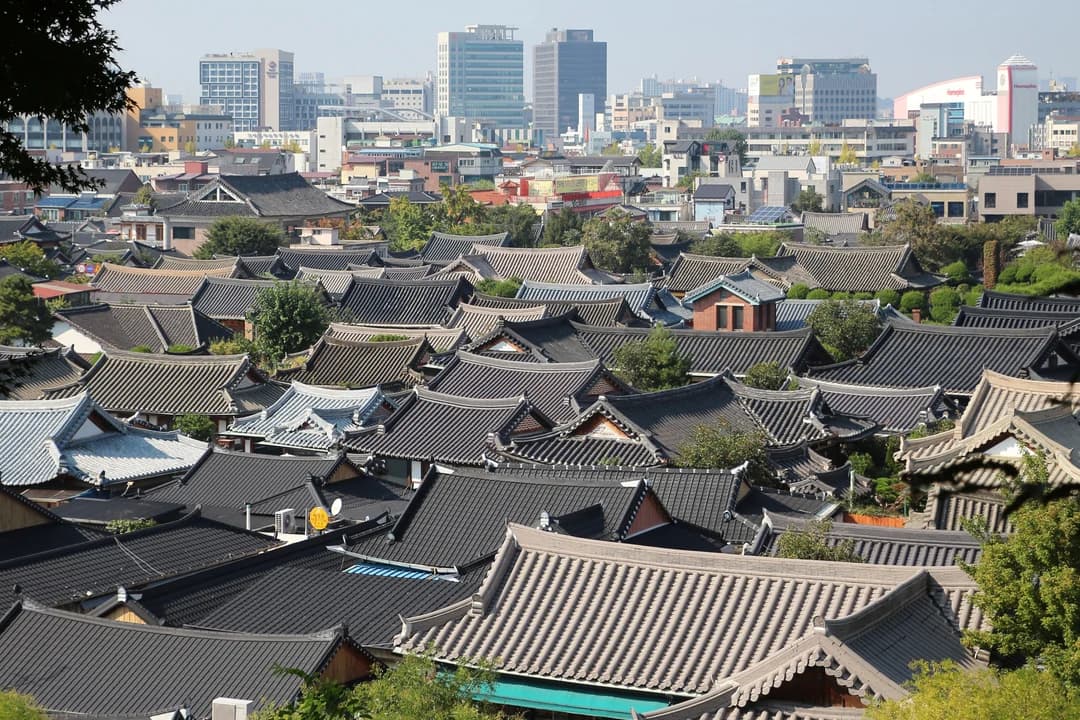
Late April to May brings a cultural festival to Jeonju’s old-and-new streets, and, a little later in May, two open-air events: a long rose walk beside a Seoul stream and a beach full of sand sculptures in Busan. All three are free or low-barrier to enjoy outdoors, and each is easy to reach from a major rail hub.
Jeonju International Film Festival (전주국제영화제) · Jeonju, North Jeolla; five cinemas across the city, including the Sori Culture Center Moakdang, CGV Jeonju Gosa and Megabox Jeonju Gaeksa
When: Usually about ten days from late April to early May. The 2026 edition, the 27th, ran 29 Apr-8 May (as of 2026-10-11). The 28th edition’s dates are added once announced.
Highlights: A program of 237 films from 54 countries in 2026, including 78 world premieres (as of 2026-10-11), an international and a Korean competition, retrospectives, and a strong focus on independent and experimental cinema. The 2026 opening film was Late Fame by Kent Jones.
Best time & crowds: Popular screenings tend to fill up, so plan around the schedule and keep gaps between venues. Evenings and weekends are usually busiest.
Entry: Paid per screening; ticket prices for the next edition are added once announced.
From Seoul: The KTX takes about 1 hour 40 minutes from Seoul or Yongsan to Jeonju Station, and Yongsan has more departures (as of 2026-10-11). Express buses run from the Central City and Dongseoul terminals to the Jeonju Express Bus Terminal.
Nearby: Jeonju Hanok Village; Nambu Market; Gyeonggijeon Shrine.
Tips: Cinemas are in different parts of the city, so allow transfer time between screenings. Combine a film day with the hanok village and the market for meals and snacks.
Related guide: The Jeonju region guide covers the hanok village and food; Intercity trains & buses helps with the KTX and express bus.
Jungnang Seoul Rose Festival (중랑 서울장미축제) · Jungnang Rose Park along Jungnangcheon stream, Jungnang-gu, Seoul
When: Usually mid-to-late May while the roses bloom. The 2026 edition, the 18th, ran 15-23 May (as of 2026-10-11). The next edition’s dates are added once announced.
Highlights: A 5.45 km rose tunnel with about 320,000 roses of 232 varieties along the stream (as of 2026-10-11), evening concerts, an LED-lit tunnel at night, a rose cafe, food stalls and a flea market.
Best time & crowds: In 2026 the grounds opened 10:30-21:00, with night opening to 22:00, and evening concerts ran about 19:30-21:00 (as of 2026-10-11). The LED-lit tunnel looks best around 19:00-20:00, and weekends are crowded.
Entry: Free.
From Seoul: It is inside Seoul: take Subway Line 7 to Meokgol Station, Exits 5-7, then walk about 4 minutes (as of 2026-10-11).
Tips: Parking is very limited on weekends, so use the subway. Bring a camera for the evening lights.
Related guide: Subway explains tickets and transfers; the Seoul region guide lists other neighborhoods.
Haeundae Sand Festival (해운대 모래축제) · Haeundae Beach, Haeundae-gu, Busan
When: Usually a few days in mid-May, with the sculptures staying on view for about a month afterwards. The 2026 edition ran 15-18 May, and the sand works stayed on view until 14 Jun, under the theme of a Busan time-travel in sand (as of 2026-10-11). The next edition’s dates are added once announced.
Highlights: Large sand sculptures along the beach, 17 works in 2026 on the history and landmarks of Busan (as of 2026-10-11), plus an evening media-art show and a sand viewing deck.
Best time & crowds: Go near sunset to see the sculptures first in daylight, then the lit media-art show after dark. Festival days at the start of the run tend to be the most crowded.
Entry: Viewing the sculptures is free; some hands-on activities may be paid.
From Seoul: Take the KTX from Seoul to Busan, then the subway or a taxi to Haeundae Beach.
Nearby: Haeundae Blue Line Park; Dongbaek Park; Haedong Yonggungsa temple.
Tips: Do not touch the sculptures; one 2026 work was damaged by a visitor and had to be removed (as of 2026-10-11). Wear sunglasses and sunscreen on a bright beach day.
Related guide: The Busan region guide covers Haeundae and getting around the city.
May: lanterns, royal rites and jazz
May in Seoul is a month of contrasts: a night parade of paper lanterns before Buddha’s Birthday, a solemn royal ancestral rite that has been performed for centuries, and a big outdoor jazz festival in Olympic Park. All three happen inside the city, so you can reach them by subway without leaving Seoul.
Lotus Lantern Festival and Buddha’s Birthday lanterns (연등회) · Seoul; the parade runs from Dongdaemun (Heunginjimun) along Jongno to Jogyesa temple, with a culture fair on Ujeongguk-ro and in Insadong
When: Held on the weekend about a week before Buddha’s Birthday, so it moves each year with the lunar calendar. In 2026 the festival ran 16-17 May, the parade was on 16 May 19:00-21:30, and Buddha’s Birthday itself was 24 May (as of 2026-10-11). The next edition’s dates are added once announced.
Highlights: A night parade of lanterns with about 60 groups and 20,000 citizens expected in 2026 (as of 2026-10-11), a Grand Hanmadang party at Jonggak after the parade, a traditional culture fair and lantern play on the second day, and the Buddha’s Birthday ceremony at Jogyesa. The festival is on UNESCO’s intangible heritage list.
Best time & crowds: Arrive early on parade night to find a spot along Jongno; the crowds are very heavy. In 2026 Jongno-area roads were closed from 13:00 on 16 May until 03:00 on 17 May (as of 2026-10-11).
Entry: Free to watch the parade and the culture fair; hands-on lantern workshops may charge a fee.
From Seoul: It is in central Seoul. Use the subway to Jongno 3-ga, Anguk or Dongdaemun, because buses are rerouted and stops within the closed zone move to the roadside.
Nearby: Jogyesa temple; Insadong; Gwanghwamun; Dongdaemun.
Tips: Leave extra time to cross closed roads on foot. Lanterns also hang at temples across Seoul around this time; the exhibition dates differ by temple. Dress for a cool evening.
Related guide: The Seoul region guide covers Jongno and Insadong; Subway helps with the nearest stations.
Jongmyo Daeje, Royal Ancestral Rite (종묘대제) · Jongmyo Shrine, Jongno, Seoul; the procession starts at Gyeongbokgung and passes Gwanghwamun
When: Usually on the first Sunday of May. In 2026 it was held on 3 May: a first rite at 10:00, the royal procession of about 2.6 km, the main hall rite from about 14:00 and a finish around 16:30 (as of 2026-10-11). The next edition’s date is added once announced.
Highlights: The Joseon dynasty’s royal ancestral ritual with solemn court music and slow ceremonial movement, a royal procession from Gyeongbokgung, and large screens that help viewers follow the rite. The ritual and its music are on UNESCO’s intangible heritage list.
Best time & crowds: The procession passes before the main rite, so arrive by early afternoon. The ceremony is slow and quiet, with no loud crowds. A week of related events, called Jongmyo Week, ran from 25 Apr to 3 May in 2026 (as of 2026-10-11).
Entry: Watching was free, with seats released as advance online tickets and some seats on the day on a first-come basis in 2026 (as of 2026-10-11). The ceremony was also streamed live online.
From Seoul: The shrine is about a 5-minute walk from Jongno 3-ga Station on the Seoul subway (as of 2026-10-11).
Nearby: Changdeokgung palace; Insadong; the Jongno area.
Tips: On ordinary days the shrine is entered by timed guided tour on some weekdays, lasting about 50 minutes, and by self-guided paid visit on weekends and holidays (as of 2026-10-11). During the Chuseok holiday in 2026 it was open for free walk-in viewing.
Related guide: The Korea culture guide gives background on royal rites and etiquette at heritage sites.
Seoul Jazz Festival (서울재즈페스티벌) · Olympic Park, Songpa-gu, Seoul; the 88 Lawn Field, KSPO Dome, Ticketlink Live Arena and 88 Lake Stage
When: Usually three days in late May. The 2026 edition, the 18th, ran 22-24 May with about 60 acts (as of 2026-10-11). The next edition’s dates are added once announced.
Highlights: Jazz, soul and pop acts across several stages indoors and outdoors; 2026 headliners included Herbie Hancock, Jon Batiste, FKJ and Janelle Monae, alongside Korean artists (as of 2026-10-11). Much of the fun is picnicking on the open lawn.
Best time & crowds: Afternoons on the lawn are relaxed; headliners tend to play in the evening. Single-day Saturday and Sunday tickets sold out in 2026, so weekends are the busiest (as of 2026-10-11).
Entry: Paid. In 2026 a one-day ticket was 189,000 won and a three-day pass 470,000 won (as of 2026-10-11).
From Seoul: It is inside Seoul; take the subway to Olympic Park in Songpa district.
Nearby: Olympic Park itself; Lotte World Tower; Seokchon Lake.
Tips: Tickets tend to sell out early, so buy ahead. Entry is by free-standing, not assigned seats (as of 2026-10-11). Bring rain gear and sun protection for the open lawn.
Related guide: Subway helps with the trip to Olympic Park; Korea weather helps you plan for rain.
Sources and last update
Last updated: 11 October 2026. Figures are as of the date shown.
Source: Korea Tourism Organization · Korea Astronomy and Space Science Institute / Korea Aerospace Administration · Seoul Metropolitan Government · Busan Metropolitan City · Korea Heritage Service · Checked 11 Oct 2026
Written by HOLIDAY in its own words from official public information. This is not an official publication of the Korea Tourism Organization or any government body.
HOLIDAY refreshes this article regularly as fares, hours and event dates change.

![[Spring] Taean Tulip Festival and Flower Park Day Tour](/_next/image?url=https%3A%2F%2Fadmin.holidaykr.com%2Fapi%2Fadmin%2Fsystem%2Fbasic-settings%2Ffavicon%3Fpath%3D%252Fuploads%252Fproducts%252Fthumbs%252F750_1731309018_file1.jpg&w=3840&q=75)