A month-by-month climate guide for Seoul, Busan, Jeju and Gangwon: temperatures, rain, the rainy season and typhoons, fine dust grades, snow and ski timing, blossom and autumn-color dates, and what to pack. Typical 1991 to 2020 averages, as of 2026-10-11.
Korea's climate in brief
Korea lies in the mid-latitudes and has a temperate climate with four distinct seasons. The yearly average temperature ranges from about 7 °C at Daegwallyeong in the mountains to about 15 °C at Busan on the south coast. August is the hottest month and January the coldest, and apart from the islands the mainland regions differ only a little in temperature (as of 2026-10-11).
All monthly figures in this guide are typical values, which means 30-year averages for 1991 to 2020 from the national weather service. They tell you what a month is usually like, not what the weather will be on a given day: a single day can be several degrees warmer or colder, and rain varies a great deal from year to year.
Three things shape Korea’s weather. The continent to the north and west brings cold, dry air in winter and hot, humid air in summer. The sea surrounding the peninsula keeps coasts and islands milder in winter. And the Taebaek mountains along the east side make Gangwon much colder and snowier than the rest of the country.
The four seasons at a glance
Spring, March to May: mild and clear, with forsythia, cherry, azalea and rose blooms in sequence. Seoul’s typical highs climb from 11.0 °C in March to 23.6 °C in May, but March mornings and evenings are still cold.
Summer, June to August: hot and humid, with more than 270 beaches along the coast. Seoul’s highs are 27.6 to 30.0 °C and lows stay above 18 °C, and the rainy season begins around the end of June.
Autumn, September to November: mild and clear, averaging about 15 °C, though temperatures can swing widely within a day. Seoul’s highs fall from 26.2 °C in September to 11.9 °C in November. It is the favorite season for hiking and autumn color.
Winter, December to February: cold and dry, with an average of about 0 to 1 °C that often drops below zero. Seoul’s January highs average 2.1 °C and lows −5.5 °C. Snow is common in the mountains and floors are heated indoors, so the cold is easier to manage than the numbers suggest.
Seoul, month by month
Typical values for Seoul, 30-year averages for 1991 to 2020 (as of 2026-10-11). “High” is the average of the daily maximum and “low” the average of the daily minimum; rainy days count days with at least 1 mm. Seoul has a strong contrast between seasons: freezing nights in winter and a very wet July and August.
January: highs about 2.1 °C, lows about −5.5 °C, roughly 16.8 mm of rain, on about 3.3 days with measurable rain; snow on about 7.1 days. Deep winter, so dress for the cold. Coldest month of the year. Driest month of the year.
February: highs about 5.1 °C, lows about −3.2 °C, roughly 28.2 mm of rain, on about 3.4 days with measurable rain; snow on about 5.1 days. Still winter, though the days start to feel a little softer by the end of the month.
March: highs about 11 °C, lows about 1.9 °C, roughly 36.9 mm of rain, on about 4.7 days with measurable rain; snow on about 2.8 days. Spring begins, but mornings and evenings are still chilly.
April: highs about 17.9 °C, lows about 8 °C, roughly 72.9 mm of rain, on about 6.5 days with measurable rain. Blossom season, with a big difference between morning and afternoon.
May: highs about 23.6 °C, lows about 13.5 °C, roughly 103.6 mm of rain, on about 6.8 days with measurable rain. Warm and bright, one of the most comfortable months for walking.
June: highs about 27.6 °C, lows about 18.7 °C, roughly 129.5 mm of rain, on about 7.6 days with measurable rain. Summer begins and humidity rises. The rainy season starts late in the month.
July: highs about 29 °C, lows about 22.3 °C, roughly 414.4 mm of rain, on about 13.3 days with measurable rain. Rainy season, then humid summer weather. Downpours are common. Wettest month of the year.
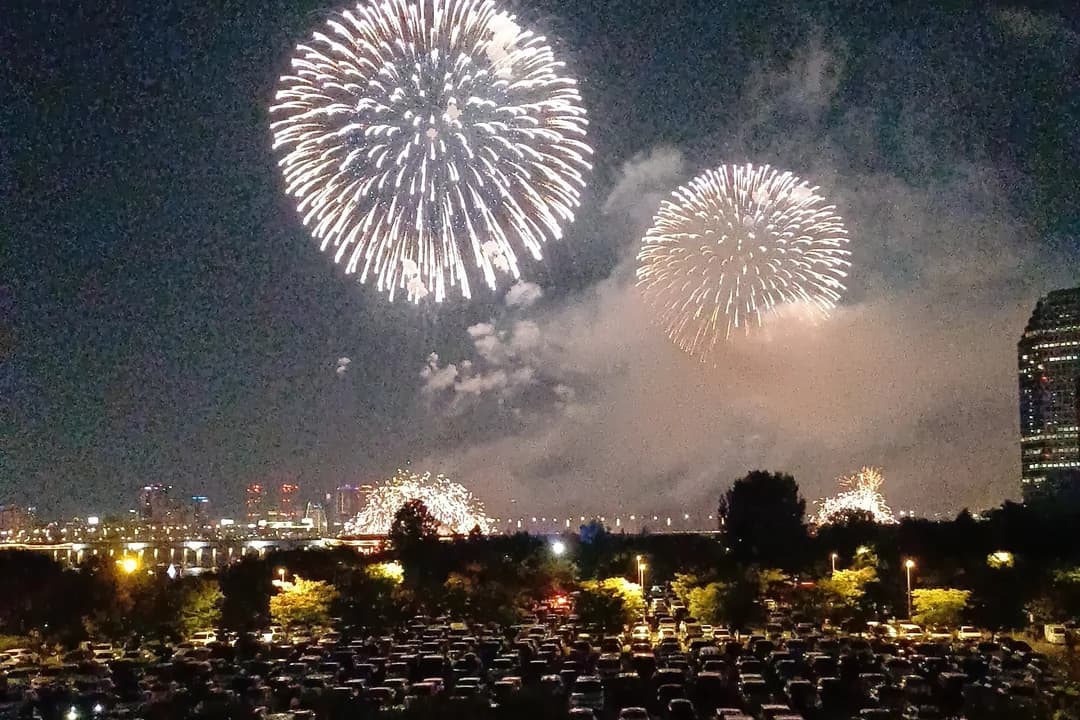
August: highs about 30 °C, lows about 22.9 °C, roughly 348.2 mm of rain, on about 11.8 days with measurable rain. Peak summer, humid, with typhoon risk. Hottest month of the year.
September: highs about 26.2 °C, lows about 17.7 °C, roughly 141.5 mm of rain, on about 6.5 days with measurable rain. The heat eases, though typhoons can still arrive early in the month.
October: highs about 20.2 °C, lows about 10.6 °C, roughly 52.2 mm of rain, on about 4.8 days with measurable rain. Clear, dry and cool, with autumn color starting in the mountains.
November: highs about 11.9 °C, lows about 3.5 °C, roughly 51.1 mm of rain, on about 6.4 days with measurable rain; snow on about 2.3 days. Late autumn: leaves fall, evenings turn cold and the first frosts appear.
December: highs about 4.2 °C, lows about −3.4 °C, roughly 22.6 mm of rain, on about 4.2 days with measurable rain; snow on about 6.4 days. Winter sets in, with the first snow often arriving this month.
Busan, month by month
Typical values for Busan, 30-year averages for 1991 to 2020 (as of 2026-10-11). The sea keeps Busan milder in winter than Seoul, with January lows around freezing, and its heaviest rain comes in July.
January: highs about 8.2 °C, lows about −0.1 °C, roughly 34.5 mm of rain. Deep winter, so dress for the cold. Coldest month of the year.
February: highs about 10.2 °C, lows about 1.5 °C, roughly 49.6 mm of rain. Still winter, though the days start to feel a little softer by the end of the month.
March: highs about 13.8 °C, lows about 5.3 °C, roughly 89.7 mm of rain. Spring begins, but mornings and evenings are still chilly.
April: highs about 18.2 °C, lows about 10.1 °C, roughly 140.9 mm of rain. Blossom season, with a big difference between morning and afternoon.
May: highs about 22 °C, lows about 14.6 °C, roughly 155.9 mm of rain. Warm and bright, one of the most comfortable months for walking.
June: highs about 24.6 °C, lows about 18.3 °C, roughly 188.4 mm of rain. Summer begins and humidity rises. The rainy season starts late in the month.
July: highs about 27.5 °C, lows about 22.1 °C, roughly 326.8 mm of rain. Rainy season, then humid summer weather. Downpours are common. Wettest month of the year.
August: highs about 29.5 °C, lows about 23.7 °C, roughly 266.5 mm of rain. Peak summer, humid, with typhoon risk. Hottest month of the year.
September: highs about 26.4 °C, lows about 19.8 °C, roughly 160.6 mm of rain. The heat eases, though typhoons can still arrive early in the month.
October: highs about 22.5 °C, lows about 14.5 °C, roughly 79.6 mm of rain. Clear, dry and cool, with autumn color starting in the mountains.
November: highs about 16.6 °C, lows about 8.3 °C, roughly 50.4 mm of rain. Late autumn: leaves fall, evenings turn cold and the first frosts appear.
December: highs about 10.4 °C, lows about 2 °C, roughly 33.8 mm of rain. Winter sets in, with the first snow often arriving this month. Driest month of the year.
Jeju, month by month
Typical values for Jeju City, 30-year averages for 1991 to 2020 (as of 2026-10-11). Jeju is the warmest and, over the year, one of the wettest places in this guide: winters rarely get cold in the lowlands, and late summer brings the heaviest rain. Hallasan, the island’s mountain, is much colder than the coast.
January: highs about 8.6 °C, lows about 3.7 °C, roughly 67.5 mm of rain. Deep winter, so dress for the cold. Coldest month of the year.
February: highs about 9.9 °C, lows about 4 °C, roughly 57.2 mm of rain. Still winter, though the days start to feel a little softer by the end of the month.
March: highs about 13.3 °C, lows about 6.6 °C, roughly 90.6 mm of rain. Spring begins, but mornings and evenings are still chilly.
April: highs about 18 °C, lows about 10.8 °C, roughly 89.7 mm of rain. Blossom season, with a big difference between morning and afternoon.
May: highs about 22.1 °C, lows about 15 °C, roughly 95.6 mm of rain. Warm and bright, one of the most comfortable months for walking.
June: highs about 24.9 °C, lows about 19.1 °C, roughly 171.2 mm of rain. Summer begins and humidity rises. The rainy season starts late in the month.
July: highs about 29.3 °C, lows about 23.7 °C, roughly 210.2 mm of rain. Rainy season, then humid summer weather. Downpours are common.
August: highs about 30.1 °C, lows about 24.8 °C, roughly 272.3 mm of rain. Peak summer, humid, with typhoon risk. Hottest month of the year. Wettest month of the year.
September: highs about 26.1 °C, lows about 20.9 °C, roughly 227.8 mm of rain. The heat eases, though typhoons can still arrive early in the month.
October: highs about 21.6 °C, lows about 15.7 °C, roughly 95.1 mm of rain. Clear, dry and cool, with autumn color starting in the mountains.
November: highs about 16.4 °C, lows about 10.4 °C, roughly 69.5 mm of rain. Late autumn: leaves fall, evenings turn cold and the first frosts appear.
December: highs about 11 °C, lows about 5.6 °C, roughly 55.6 mm of rain. Winter sets in, with the first snow often arriving this month. Driest month of the year.
Gangwon coast (Gangneung), month by month
Typical values for Gangneung on the east coast of Gangwon, 30-year averages for 1991 to 2020 (as of 2026-10-11), with snowy-day counts. The coast is milder in winter than the mountains behind it, but short spells of heavy snow can still come off the sea.
January: highs about 5.3 °C, lows about −2.7 °C, roughly 47.9 mm of rain; snow on about 6 days. Deep winter, so dress for the cold. Coldest month of the year.
February: highs about 7.1 °C, lows about −1.3 °C, roughly 48 mm of rain; snow on about 6 days. Still winter, though the days start to feel a little softer by the end of the month.
March: highs about 11.7 °C, lows about 2.6 °C, roughly 65.1 mm of rain; snow on about 4.3 days. Spring begins, but mornings and evenings are still chilly.
April: highs about 17.9 °C, lows about 8.2 °C, roughly 81.9 mm of rain. Blossom season, with a big difference between morning and afternoon.
May: highs about 22.7 °C, lows about 13.3 °C, roughly 79.2 mm of rain. Warm and bright, one of the most comfortable months for walking.
June: highs about 25.4 °C, lows about 17.5 °C, roughly 118.5 mm of rain. Summer begins and humidity rises. The rainy season starts late in the month.
July: highs about 28.1 °C, lows about 21.6 °C, roughly 250.2 mm of rain. Rainy season, then humid summer weather. Downpours are common.
August: highs about 28.6 °C, lows about 21.9 °C, roughly 292.9 mm of rain. Peak summer, humid, with typhoon risk. Hottest month of the year. Wettest month of the year.
September: highs about 24.6 °C, lows about 17 °C, roughly 229.3 mm of rain. The heat eases, though typhoons can still arrive early in the month.
October: highs about 20.3 °C, lows about 11.5 °C, roughly 113.9 mm of rain. Clear, dry and cool, with autumn color starting in the mountains.
November: highs about 14 °C, lows about 5.6 °C, roughly 81.1 mm of rain. Late autumn: leaves fall, evenings turn cold and the first frosts appear.
December: highs about 7.7 °C, lows about −0.5 °C, roughly 36.9 mm of rain; snow on about 2.9 days. Winter sets in, with the first snow often arriving this month. Driest month of the year.
Gangwon mountains (Daegwallyeong), month by month
Typical values for Daegwallyeong, a pass at about 830 m in the Gangwon mountains near the Pyeongchang ski area, 30-year averages for 1991 to 2020 (as of 2026-10-11); snowy-day counts come from the 1981 to 2010 record. This is the cold, snowy end of Korea: the yearly average is about 7 °C, the lowest of the stations in this guide.
January: highs about −1.8 °C, lows about −12.2 °C, roughly 53.1 mm of rain; snow on about 13 days. Deep winter, so dress for the cold. Coldest month of the year.
February: highs about 0.6 °C, lows about −10.1 °C, roughly 49.2 mm of rain; snow on about 11.8 days. Still winter, though the days start to feel a little softer by the end of the month.
March: highs about 5.5 °C, lows about −4.7 °C, roughly 72.6 mm of rain; snow on about 12 days. Spring begins, but mornings and evenings are still chilly.
April: highs about 12.9 °C, lows about 1.2 °C, roughly 93.5 mm of rain; snow on about 3.3 days. Blossom season, with a big difference between morning and afternoon.
May: highs about 18.4 °C, lows about 6.8 °C, roughly 108.2 mm of rain. Warm and bright, one of the most comfortable months for walking.
June: highs about 21.3 °C, lows about 11.6 °C, roughly 162.5 mm of rain. Summer begins and humidity rises. The rainy season starts late in the month.
July: highs about 23.4 °C, lows about 16.6 °C, roughly 336.3 mm of rain. Rainy season, then humid summer weather. Downpours are common.
August: highs about 23.6 °C, lows about 16.5 °C, roughly 368.4 mm of rain. Peak summer, humid, with typhoon risk. Hottest month of the year. Wettest month of the year.
September: highs about 19.4 °C, lows about 10.4 °C, roughly 249.6 mm of rain. The heat eases, though typhoons can still arrive early in the month.
October: highs about 14.6 °C, lows about 3.5 °C, roughly 97.6 mm of rain. Clear, dry and cool, with autumn color starting in the mountains.
November: highs about 7.5 °C, lows about −2.6 °C, roughly 69.4 mm of rain; snow on about 5.2 days. Late autumn: leaves fall, evenings turn cold and the first frosts appear.
December: highs about 0.5 °C, lows about −9.4 °C, roughly 34.7 mm of rain; snow on about 10.9 days. Winter sets in, with the first snow often arriving this month. Driest month of the year.
Rainy season and typhoons
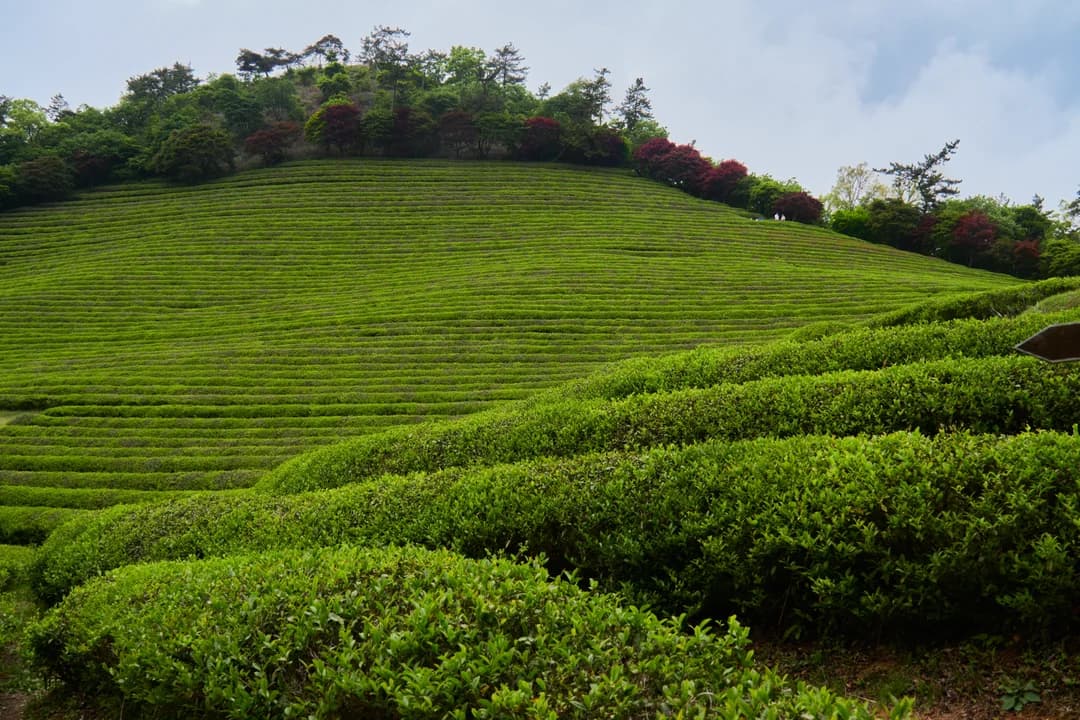
Summer rain falls mainly in a rainy season called jangma. Typical dates, from 1991 to 2020 averages (as of 2026-10-11), are about 19 June to 20 July in Jeju, 23 June to 24 July in the south including Busan, and 25 June to 26 July in the central region including Seoul. It lasts a little over a month and brings roughly 340 to 380 mm of rain, and any given year can start and end some days earlier or later.
Seoul’s figures show how much of the year’s rain arrives in summer: about 414 mm in July and 348 mm in August, against about 17 mm in January, out of roughly 1,418 mm for the year. The rain often comes as heavy downpours rather than all-day drizzle, so carry a compact umbrella and shoes that dry quickly.
Typhoon season runs from June to October, with the most storms reaching Korea in late summer and early autumn. A typhoon brings strong wind and heavy rain for a day or two. Flights and ferries, especially to Jeju and the islands, are the first services to be suspended, and some outdoor attractions close. If a warning is in force, the safe plan is to stay indoors and move outdoor plans to another day.
Dry spells are easy to find. May and early June are comparatively dry, and autumn is lighter: Seoul gets only about 52 mm of rain in October, which is one reason October is considered the best month to be outdoors.
Fine dust and yellow dust
Two kinds of particles are reported: PM10, particles 10 micrometers or smaller, called “fine dust” in Korean news, and PM2.5, particles 2.5 micrometers or smaller, called “ultrafine dust”. Levels tend to rise between late winter and spring, when air stays still and pollution drifts in from the continent, and they can drop sharply after wind or rain.
Korea reports air quality in four grades, with separate cut-offs for each particle size, as 24-hour averages in micrograms per cubic meter (as of 2026-10-11). PM10: Good 0 to 30, Moderate 31 to 80, Unhealthy 81 to 150, Very unhealthy 151 and above. PM2.5: Good 0 to 15, Moderate 16 to 35, Unhealthy 36 to 75, Very unhealthy 76 and above.
A combined air-quality index also rolls all the pollutants into one number: Good 0 to 50, Moderate 51 to 100, Unhealthy 101 to 250 and Very unhealthy 251 and above (as of 2026-10-11). Korean weather and map apps show the grade next to the temperature, so you can read it at a glance before deciding on an outdoor day.
Yellow dust is a separate spring event: sand blown from the deserts of Mongolia and northern China, mostly in March to May, that turns the sky hazy and raises PM10. On “Unhealthy” days children, older adults and people with asthma or heart and lung conditions should limit long outdoor activity. Most visitors only notice hazy views, and Korean-certified KF94 masks are sold at convenience stores and pharmacies.
Summer heat and winter cold
Summer: from late June humidity builds. Seoul’s July and August highs average 29.0 and 30.0 °C with lows of 22.3 and 22.9 °C, so nights stay warm and the air feels hotter than the number. Plan outdoor sightseeing for the morning and evening, drink water often, use cafés, malls and subway stations as cool stops, and keep a thin layer for the strong air conditioning.
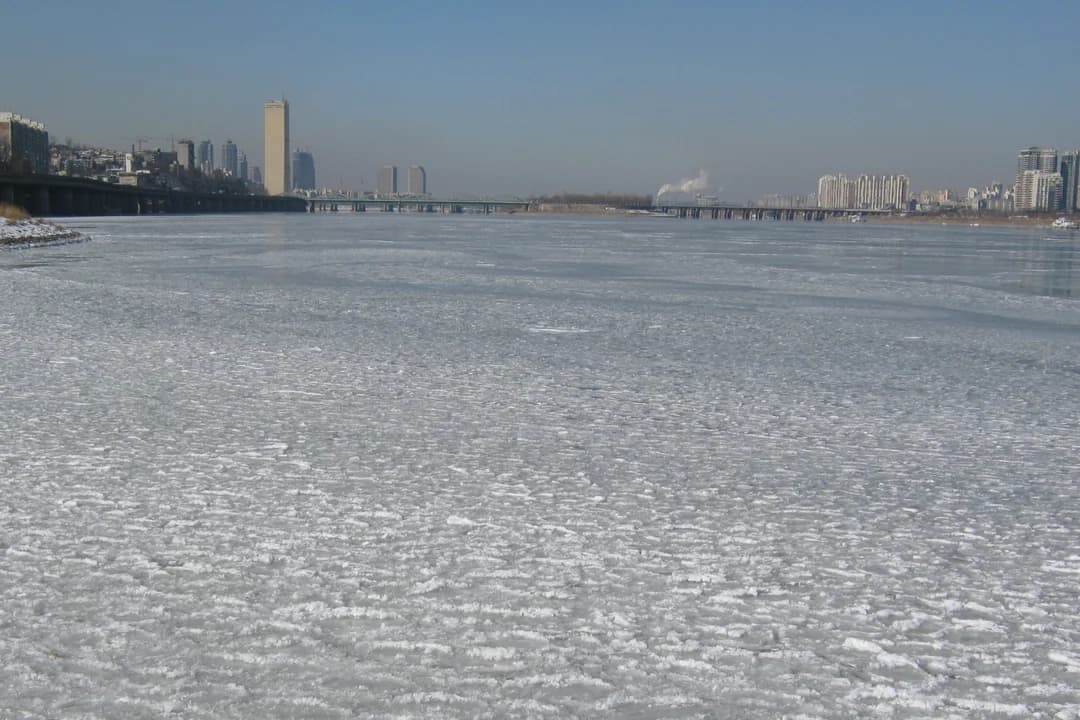
Winter: cold and dry. Seoul’s January highs average 2.1 °C and lows −5.5 °C, and Daegwallyeong’s lows reach −12.2 °C. A cold wave can bring a few days far below those averages. Pavements and stairs can be icy, so non-slip shoes matter; indoors, heated floors (ondol) and warm rooms are standard, so several layers you can remove work better than one very thick coat.
Between seasons the swing within one day can be large. Seoul’s April highs average 17.9 °C and lows 8.0 °C, almost 10 degrees apart, so the same day can need a jacket at breakfast and short sleeves at lunch. Dress in layers in spring and autumn rather than for the afternoon peak.
Snow and ski timing
Seoul: snow is light and short-lived. The city averages about 6.4 snowy days in December, 7.1 in January and 5.1 in February, and a first snowfall usually arrives between late November and December. The roads clear quickly, but morning ice on slopes and stairs is the real hazard.
Gangwon mountains: Daegwallyeong averages about 13.0 snowy days in January, 11.8 in February, 12.0 in March, 10.9 in December and 5.2 in November (1981 to 2010 record). Reports of the first snow on Seoraksan in recent years have come in mid to late October. The east coast at Gangneung gets 6.0 snowy days in January and February, and short spells of heavy snow can come off the sea.
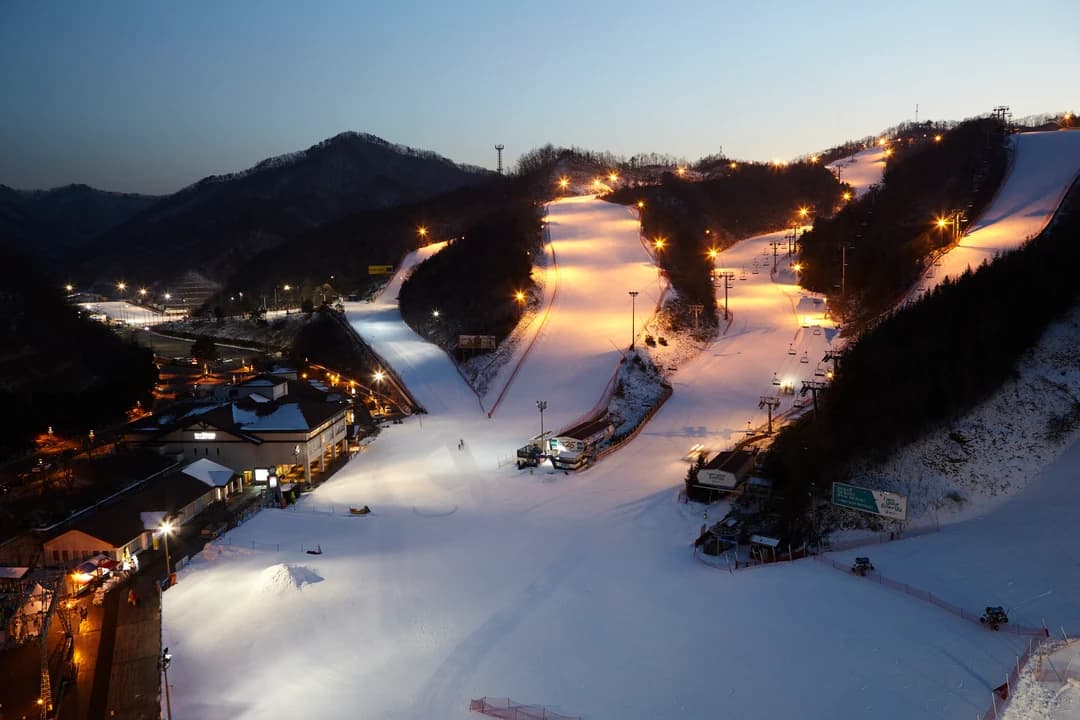
Ski season: most resorts are in Gangwon and Gyeonggi, and they rely on snow-making on cold nights, so slopes can open while natural snow is still thin. The season typically runs from around December to early March, but each resort sets its own opening and closing dates and may close runs in mild spells. Weekends, school holidays and the Lunar New Year period are the busiest, and weekdays are quieter.
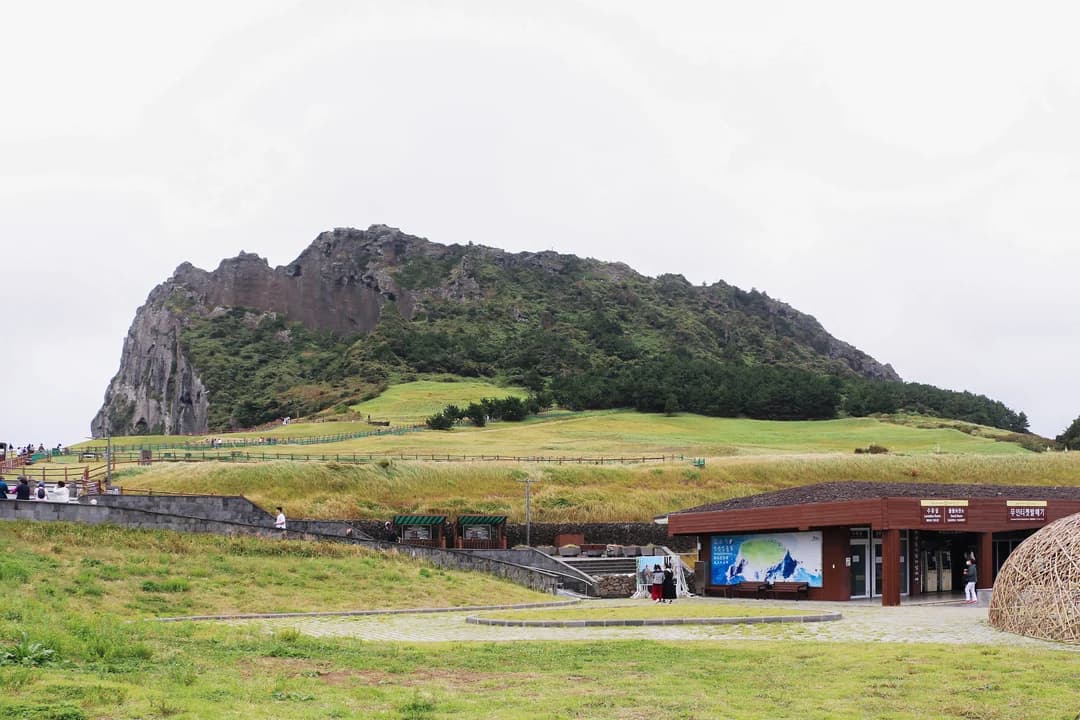
Jeju is different: lowland winters are mild, with January highs of 8.6 °C and lows of 3.7 °C, so snow at the coast is rare. Snow falls on Hallasan, the island’s 1,947 m mountain, and mountain roads can close or require chains in a cold spell.
Regions compared
Winter nights: January lows average −12.2 °C at Daegwallyeong, −5.5 °C in Seoul, −2.7 °C at Gangneung, −0.1 °C in Busan and 3.7 °C in Jeju. The further south and the closer to the sea you go, the milder the winter, and the mountains are the coldest.
Summer days: August highs are 30.1 °C in Jeju, 30.0 °C in Seoul, 29.5 °C in Busan, 28.6 °C at Gangneung and only 23.6 °C at Daegwallyeong. Jeju also has the warmest summer nights, with August lows of 24.8 °C, while the Gangwon mountains are the classic escape from the heat.
Yearly rain: Seoul about 1,418 mm, Gangneung 1,445, Jeju 1,502, Busan 1,577 and Daegwallyeong 1,695. In Seoul, Busan and Gangwon most of it falls from June to September, while Jeju also gets 55 to 68 mm in each winter month, so winter there is cloudy and damp rather than dry.
Spring arrives earlier in the south. March highs are 13.8 °C in Busan and 13.3 °C in Jeju, against 11.0 °C in Seoul and only 5.5 °C at Daegwallyeong, which is why blossoms open in the south days before they reach Seoul, and weeks before the high mountains.
Blossoms and autumn colors
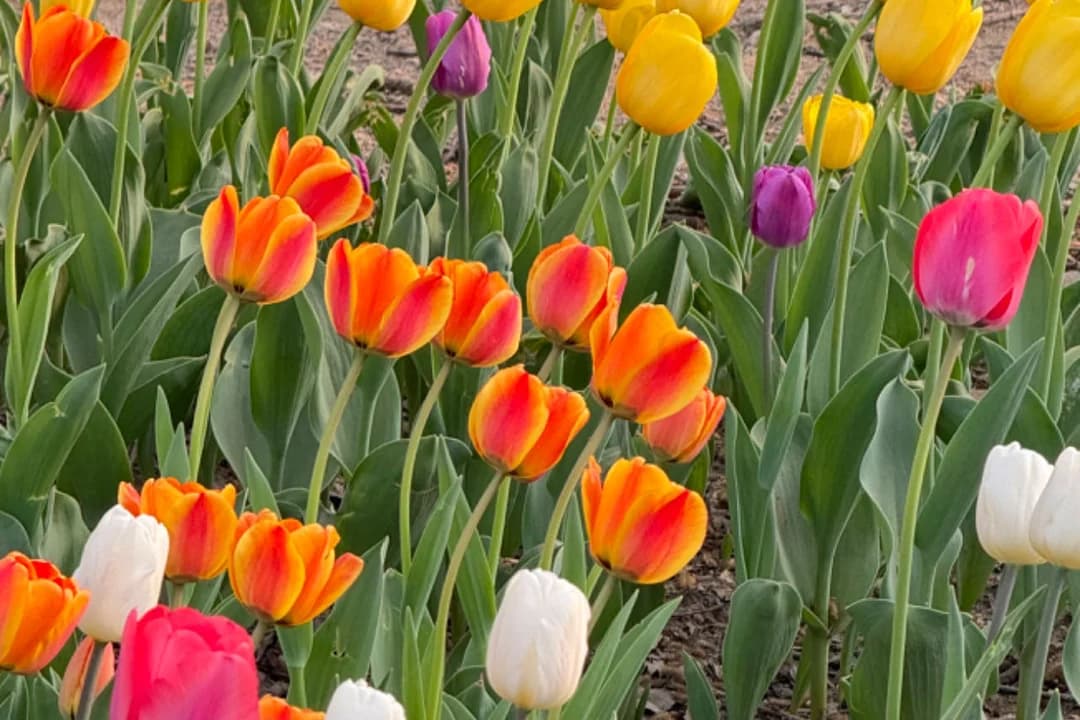
Spring flowers move from south to north in a sequence: forsythia, cherry, azalea and then roses. In Seoul the cherry blossoms typically open between late March and mid-April, a few days earlier in Busan and Jeju, and each tree flowers for roughly a week. A rainy or windy day can end the show early, so give yourself more than one day.
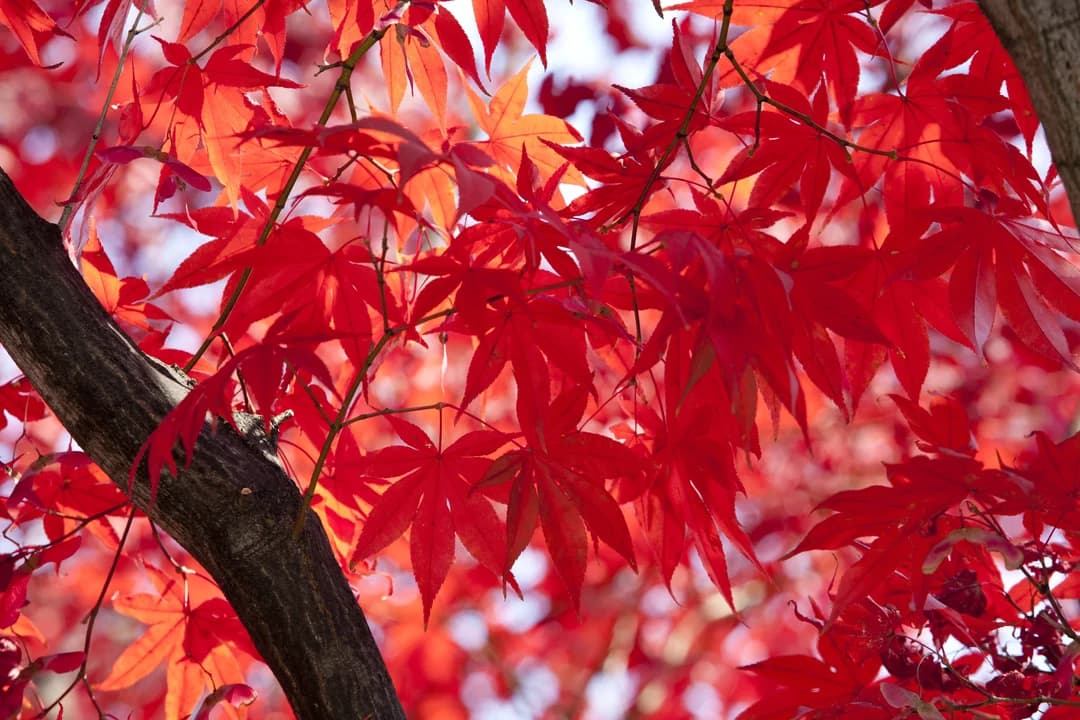
Autumn color moves the other way, from the mountains down to the cities. In recent seasonal forecasts the peak on Seoraksan fell around 20 October, in Seoul around the end of October, and on Bukhansan, the mountain at the edge of Seoul, in early November. The date shifts by a week or more with the summer heat, and a typhoon or a windy day can strip the leaves early.
The royal palaces are good in both seasons. Visitors wearing hanbok, the traditional Korean dress, enter Gyeongbokgung and Deoksugung palaces free of charge, and the stone walls, cherry trees in spring and maples in autumn make a very photogenic backdrop. Warm colors and a light layer for the cool evening suit the autumn visit.
What to do in each season
Spring: blossom walks in parks and along rivers, easy hikes before the heat, visiting the palaces in hanbok, and flower and food festivals in the south first and then in Seoul. Mornings and evenings are cool, so plan the longest outdoor time for the middle of the day.
Summer: beaches (the coast has more than 270), mountain valleys and cool forests, water parks, night markets and rooftop bars after dark, and museums, malls and cafés for the hot afternoon or a rainy day. Build a spare indoor plan for jangma days and typhoon warnings.
Autumn: hiking and autumn color, fortress walks, harvest-season festivals and markets full of seasonal produce. Clear dry days make it the best season for photos and long outdoor days; just keep a warm layer for the evening, especially in November.
Winter: skiing and snowboarding in Gangwon and Gyeonggi, hot-spring and bathhouse visits, winter lights and markets in the cities, and street food such as fish cakes and sweet pancakes. Do the outdoor sightseeing around midday and spend the cold evenings indoors.
What to wear, month by month
January: a heavy down or padded coat, thermal underlayers, gloves, scarf, hat and non-slip shoes. Indoor heating is strong, so wear layers you can take off; bring moisturizer and lip balm for the dry air.
February: the same winter kit, with a thin extra layer for the milder afternoons at the end of the month. Hand warmers sold at convenience stores are cheap and useful for outdoor events.
March: a light jacket or trench coat over a sweater, because mornings and evenings are cold while afternoons feel mild. Keep a scarf in the bag, and a mask handy in case dust levels rise.
April: a light jacket plus a shirt or thin knit that you can add or remove, comfortable shoes for walking in blossom parks, and a compact umbrella for spring showers.
May: short sleeves with a light outer layer for the evening. Sunscreen, a hat and sunglasses, because the sun is already strong and this is peak hiking weather.
June: breathable clothes, sunscreen and a small umbrella. Pack a pair of shoes that can get wet, because the rainy season starts around the end of the month.
July: quick-dry clothes, a rain jacket or sturdy umbrella, waterproof shoes and spare socks. Air conditioning indoors is strong, so keep a thin cardigan in your bag.
August: the lightest clothes you own, a hat, sunscreen, a water bottle and a portable fan. Keep a flexible schedule for typhoon days and put indoor options in your plan.
September: light layers and an umbrella. Early in the month still feels like summer, while evenings get cooler toward the end, so a thin jacket is useful.
October: a light jacket or cardigan over a shirt, comfortable shoes for hiking, and a warmer layer for cool evenings. This is the most comfortable month for being outdoors.
November: a proper coat, a knit and a scarf, with thermal underlayers for the mountains and gloves toward the end of the month. Evenings are cold and the days are short.
December: a winter coat, thermals, gloves, hat and non-slip shoes. Plan outdoor walks for midday and add warm indoor stops such as cafés, markets and bathhouses.
Sources and last update
Last updated: 11 October 2026. Figures are as of the date shown.
Source: Korea Tourism Organization · Korea Meteorological Administration · AirKorea · Checked 11 Oct 2026
Written by HOLIDAY in its own words from official public information. This is not an official publication of the Korea Tourism Organization or any government body.
HOLIDAY refreshes this article regularly as fares, hours and event dates change.