Seoraksan and Sokcho, Gangneung, Chuncheon, Pyeongchang, Jeongseon and Samcheok: fares, hours, trains, food, festivals and 3- and 5-day routes, all dated as of 2026-10-11.
Overview: what Gangwon is and how to use it
Gangwon is the province east and northeast of Seoul. It is made up of 18 cities and counties, runs from the Taebaek mountain range down to a long coast on the East Sea, and has its provincial government in Chuncheon. Our Gangwon notes below cover the places most visitors actually reach: Chuncheon, Gangneung, Sokcho and Seoraksan, Pyeongchang, Jeongseon, Samcheok and Donghae.
The province is known for four things: the rocky peaks of Seoraksan, Gangneung's coffee street and beaches, the lakes and dakgalbi (spicy stir-fried chicken) of Chuncheon, and the highlands around Pyeongchang, which hosted the 2018 Winter Olympics.
The distances are large. The road from Seoul to Gangneung alone is 223.9 km, and the inland towns and the coast are separated by mountain passes. Plan 3 days for one base (for example Gangneung with Jeongdongjin, then Sokcho and Seoraksan), and 5 days if you want to add Chuncheon or Pyeongchang. Winter sports resorts are covered in our ski guides.
Best time to go
Spring brings blossoms to the lakes and valleys; cherry trees along the road to Sutasa temple in Hongcheon bloom around May. Summer is the beach and festival season on the east coast, and the highlands stay noticeably cooler than Seoul. Autumn is the most popular season for mountain color. Winter is cold and snowy and is the time of the snow and trout festivals.
Typical monthly average temperatures give a sense of the contrast (rounded long-term averages): Chuncheon is about -4 °C in January and 25 °C in August; Gangneung on the coast is about 1 °C in January and 25 °C in August; Sokcho is about 0 °C in January and 24 °C in August. The coast is milder in winter, the inland basin is much colder.
For autumn foliage in Seoraksan, the cable car operator treats 19 September to 15 November 2026 as its peak period, when the senior discount does not apply (as of 2026-10-11). That window is a good guide to when the mountain is busiest. Daegwallyeong has held a snow flower festival every winter since 1993, and Pyeongchang's festival list also includes a winter trout festival (as of 2026-10-11).
Getting there: trains, buses and the airport link
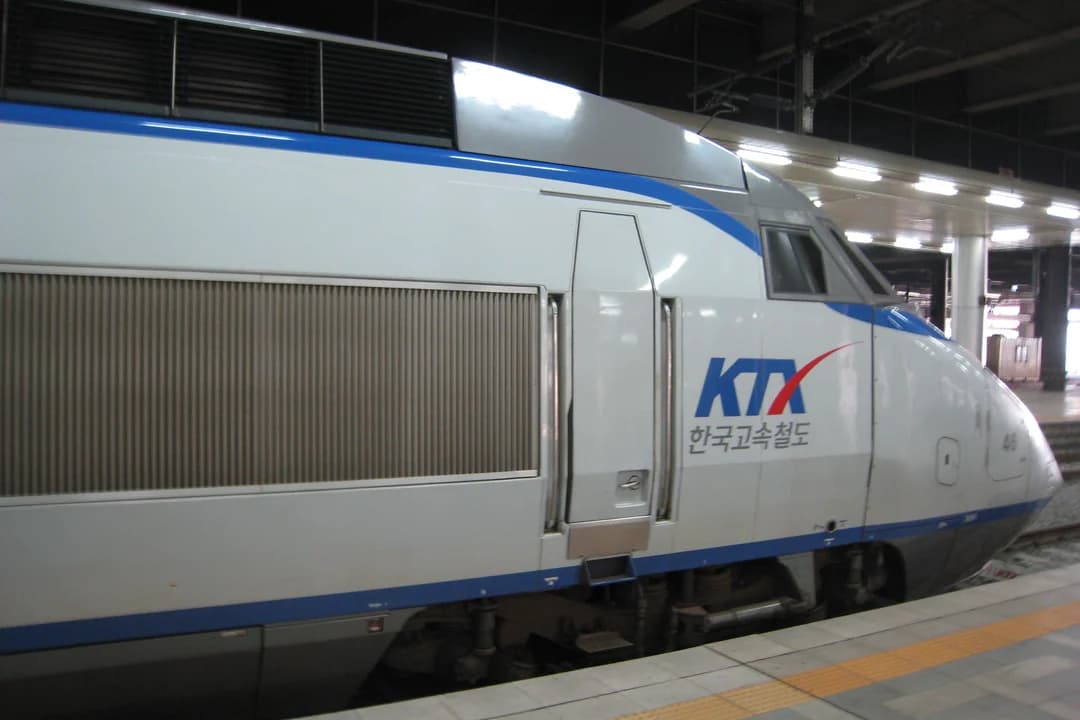
The KTX Gangneung line (the Gyeonggang line, 237.7 km from Cheongnyangni Station in Seoul) opened its Seowonju to Gangneung section on 22 December 2017, just before the Olympics. Stops after Seowonju are Manjong, Hoengseong, Dunnae, Pyeongchang, Jinbu (Odaesan) and Gangneung. The fastest Seoul to Gangneung trains take roughly 2 hours (the minimum quoted after opening was 114 minutes), so a day trip to the coast is realistic (as of 2026-10-11).
To Chuncheon, take the ITX-Cheongchun on the Gyeongchun line; the fastest trains take about 52 minutes from Cheongnyangni and about 68 minutes from Yongsan, and most travelers allow about an hour to an hour and a quarter. Tickets for KTX, ITX and other Korail trains go on sale one month ahead at 07:00 and can be bought until about 20 minutes before departure (as of 2026-10-11). Foreign visitors can also use the Korail Pass in flexible 2-, 3-, 4- or 5-day versions valid within ten days; the SRT is not covered by it.
Express and intercity buses reach every city in the province from Seoul. For Gangneung, Sokcho and most of Gangwon, both the Seoul Express Bus Terminal and the Dong Seoul Terminal have services. The operator of the Seoraksan cable car quotes about 2 hours 30 minutes by express bus and about 2 hours 10 minutes by intercity bus from Seoul to Sokcho, with departures about every 30 minutes (as of 2026-10-11). Sokcho has no rail line, so the bus is the normal way in.
From Incheon Airport, ride the airport railroad to Seoul Station and change there for the KTX to Gangneung. Yangyang, a coastal town near Seoraksan, also has its own airport, but most visitors still arrive by train or bus.
Getting around the province
Every city and county has its own bus terminal for express and intercity services, including Chuncheon, Wonju, Gangneung, Donghae, Taebaek, Sokcho, Samcheok, Pyeongchang, Jeongseon and Hwacheon. In practice you move between hubs by train or intercity bus, then use local buses, taxis or a hired car for the last stretch.
Local bus examples on the coast: from Gangneung Station, bus 112 runs to the Jeongdongjin area (get off at the Sand Clock Park stop, then walk about 800 m, 10 to 15 minutes, to the Jeongdong ticket office of the sea-fan trail). In Sokcho, city buses 7 and 7-1 run from the intercity terminal to the Seoraksan park entrance (as of 2026-10-11). Pyeongchang, Chuncheon and Jeongseon each also list a city tour or tourist taxi service for visitors.
Many sights close or run shorter hours in bad weather, and some mountain and coastal roads are slow in snow. If you rent a car, avoid the high passes in heavy snow; otherwise build the day around a fixed bus or train departure and add one taxi hop at each end.
Seoraksan and Sokcho
Seoraksan National Park lies beside Sokcho. Its highest point, Daecheongbong, is 1,708 m above sea level, and UNESCO designated the area a biosphere reserve in 1982. The most accessible rock formation is Ulsanbawi, a famous cliff you can climb on a day hike; from the top you can see the East Sea, and the province's tourism pages note that hiking boots are not essential for it.
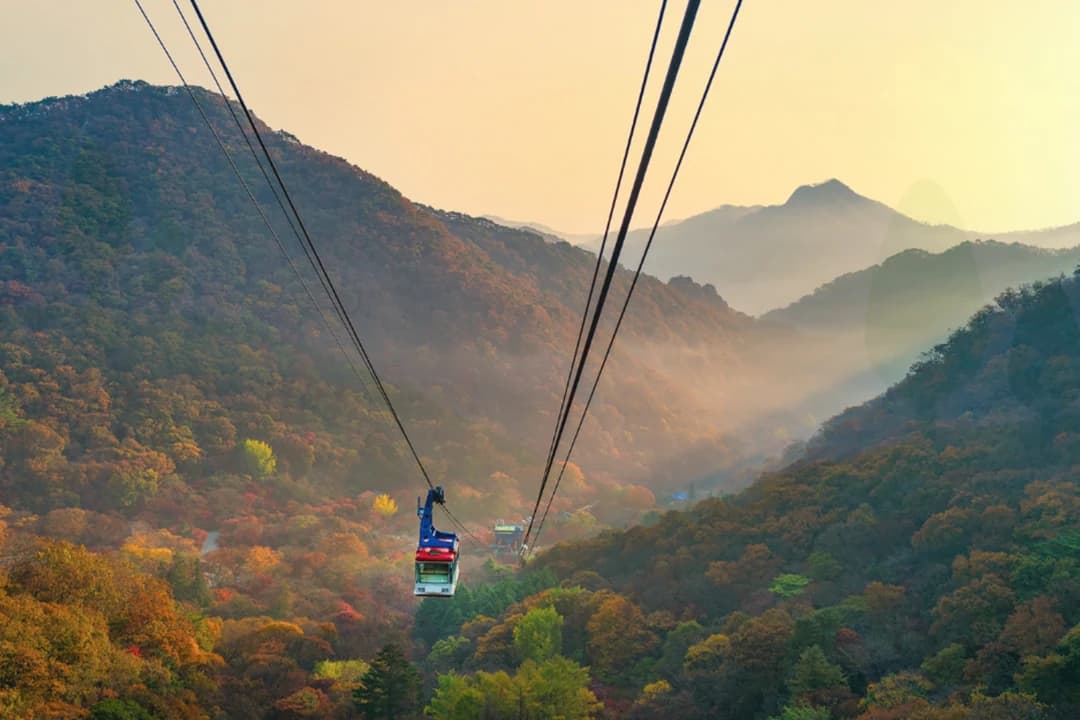
The Seorak Cable Car runs from the small park at the park entrance to Gwongeumseong, a ruined mountain fortress with views over Sokcho and the sea. The ride is about 5 minutes one way over 1,128 m, ending at 699 m above sea level. Only round-trip tickets are sold: adult (middle-school age and over) ₩16,000, child (37 months to elementary school) ₩12,000, under 36 months free (as of 2026-10-11). There is no walking trail down, so you must ride back.
Tickets are bought on the day only; there is no advance booking. A ticket is refunded in full up to 10 minutes before the ride, and 20% is deducted after that or to change the time; unused tickets are fully refunded if the wind stops the cars (as of 2026-10-11). Cars run every 10 to 15 minutes when quiet and every 5 minutes when busy. Prams cannot be taken on board (free storage outside), wheelchairs can, and the last car leaves you only about 20 minutes at the top.
In Sokcho town, the chicken specialty is the draw: Sokcho Market is known for chicken dishes from raw to fried and braised, and Dakgangjeong Alley sells the sweet crispy fried version. Cheongchoho Lake is a lagoon on the edge of town, and Deungdae Beach has photo spots by the sea.
Gangneung coast: Gyeongpo, Anmok and Jeongdongjin
Gangneung is the east coast's main city. Gyeongpo Beach and Gyeongpo Lake are the classic sunrise and strolling area, and the province's tourism pages describe the sea there changing character every season.
Anmok Beach has the Gangneung coffee street, a row of cafes along the shore that began as a vending-machine coffee spot in the early 1980s and grew into a destination after roasters moved in during the 1990s. It is free, open at all times and has free parking. The coffee festival is held here every October (see the festivals section).
Jeongdongjin, south of the city, is known for sunrise and a railway station very close to the sea. The Jeongdong Simgok sea-fan trail (a 3.01 km coastal terrace walk, about one hour, Natural Monument No. 437) runs between the Jeongdong and Simgok ticket offices. Tickets are ₩5,000 for adults, ₩4,000 for teenagers and soldiers, ₩3,000 for seniors and children (7 to 12). Hours are 09:00 to 17:30 from April to October (tickets sold until 16:30) and 09:00 to 16:30 from November to March (tickets until 15:30) (as of 2026-10-11).
There are no toilets on the trail, and pets, bicycles, swimming and cooking are not allowed; photographing military installations is prohibited because the coast was a patrol route, and the trail can close in storms, high waves or heavy snow. The Jeongdongjin rail bike, which the city describes as the rail bike closest to the sea, runs from the station daily 08:45 to 16:45 in the summer season (March to October) and the e-assist lets older riders manage it (as of 2026-10-11). Haslla Art World, an art park and museum facing the sea, is open daily 09:00 to 18:00.
Gangneung culture: Ojukheon, Seonggyojang and Danoje
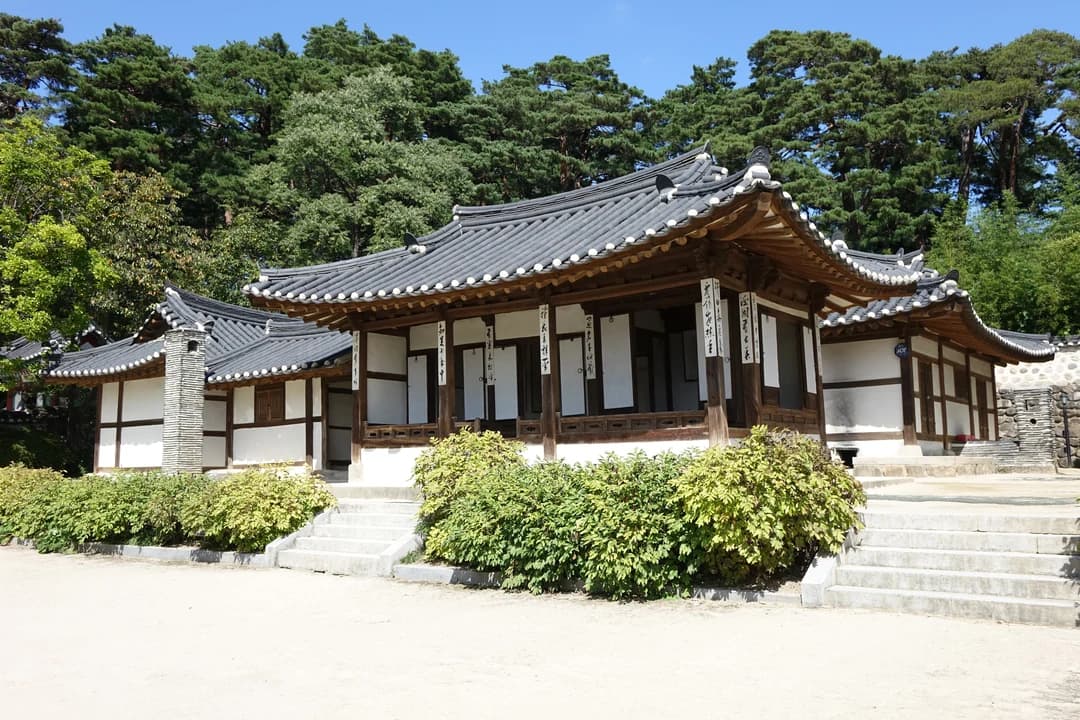
Ojukheon is an early Joseon-period house where the scholar Yi I (Yulgok) was born in the Mongnyongsil room. It is designated Treasure No. 165 (since 21 January 1963) and is a short walk from Gyeongpo Lake; the Joseon-era house shows a large wood-floored hall of four bays beside a two-bay room.
Seonggyojang is a 300-year-old aristocratic house compound designated National Folklore Cultural Heritage No. 5, with a museum, a pond pavilion (Hwallaejeong) and a pine-lined walking path. Admission is ₩5,000 for adults, ₩3,000 for discounted visitors (teenagers, seniors 65+, soldiers, police, disabled, merit holders) and ₩2,000 for children; guests staying in its hanok rooms enter free, and Gangneung residents with ID enter free (as of 2026-10-11). Hours are 09:00 to 18:00 from March to October and 09:00 to 17:00 from November to February; guided tours run on the hour from 09:00 to 16:00, skipping 12:00 to 13:30, about 30 to 40 minutes.
Gangneung Danoje is the city's great traditional festival, on UNESCO's Representative List of the Intangible Cultural Heritage of Humanity since 2005 and a national intangible heritage since 1967. The ritual cycle runs from the 20th day of the third lunar month to the 7th day of the fifth lunar month, with the public events centred on Dano, the 5th day of the fifth lunar month, which usually falls in late May or June. The date moves each year with the lunar calendar and is announced by the city in advance.
Chuncheon and the lakes
Chuncheon is the provincial capital and a lake city. The Soyang River Skywalk is a 174 m walkway over the river, with 156 m of glass floor; entry is ₩2,000, refunded as a ₩2,000 local gift voucher usable in Chuncheon shops and markets. It is open 10:00 to 20:30 in summer and 10:00 to 17:30 in winter, closed on Tuesdays, and visitors wear shoe covers and no high heels (as of 2026-10-11).
The Samaksan Lake Cable Car crosses Uiam Lake over 3.61 km; adults pay ₩23,000 for a standard cabin or ₩28,000 for a glass-floor crystal cabin, and it runs 09:00 to 18:00 in winter and 09:00 to 20:00 in summer (as of 2026-10-11). Nami Island, a tree-lined island park, has entry of ₩19,000 for adults including the round-trip boat, and opens 08:00 to 21:00 year-round. Although the island belongs to Chuncheon, it sits close to Gapyeong in Gyeonggi and is reached by boat from that side.
In Gangchon, rail bikes run along disused railway tracks from 09:00 to 17:30; fares are ₩40,000 for a 2-seater and ₩56,000 for a 4-seater on the Kim Yu-jeong course, or ₩35,000 for a 4-seater on the Gyeonggang course (as of 2026-10-11). Cheongpyeongsa, a temple from the Goryeo period on Soyang Lake, is reached by a 15-minute boat ride from Soyang Dam at ₩6,000 one way or ₩10,000 round trip; entry is free. Legoland Korea Resort on Jungdo island is designed for children aged 2 to 12 and has more than 40 attractions.
Pyeongchang and Daegwallyeong
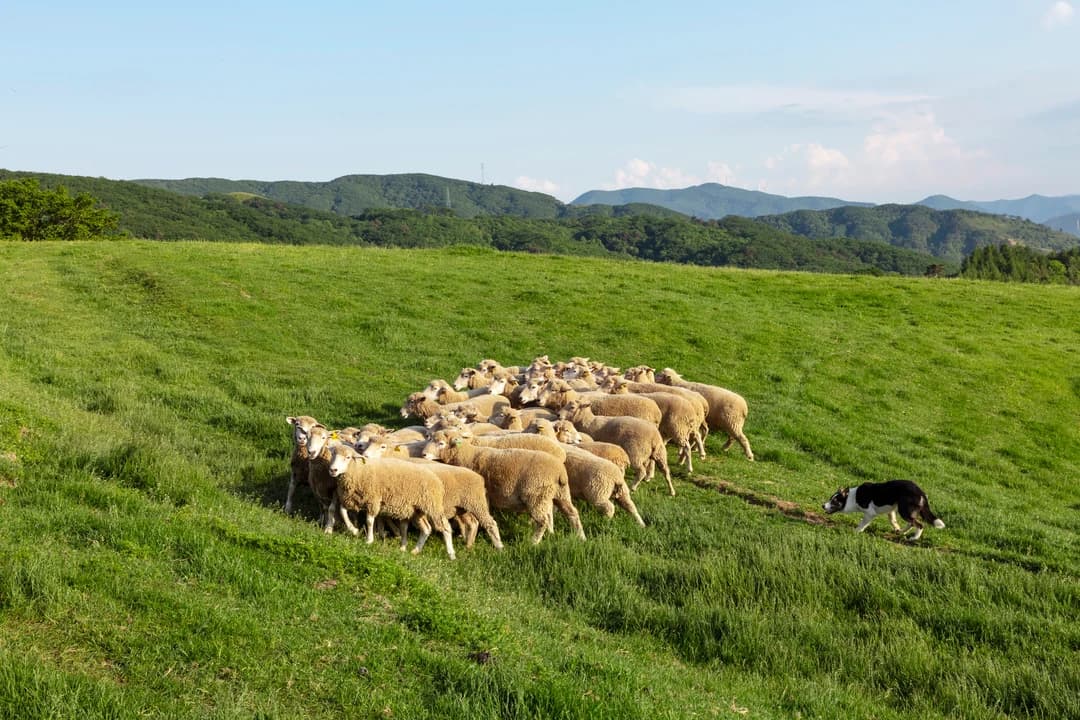
Pyeongchang is the highland county that hosted the 2018 Winter Olympics, and its KTX station lies on the Gangneung line. The Daegwallyeong Sheep Ranch spreads over rolling pasture; adults pay ₩9,000, children ₩7,000 and preferential visitors ₩6,000, and the ticket window was open 09:00 to 16:30 on the day we checked (as of 2026-10-11).
Elsewhere in the county, Woljeongsa, in the Odaesan area, is known for its nine-story stone pagoda, and the Balwangsan Skywalk stands at the highest point of any skywalk in Korea with a turntable that rotates 360 degrees. Cheongoksan's Yukbaek Majigi plateau, at 1,256 m, is a stargazing and auto-camping spot; the climb to the summit takes about five hours.
Two festivals define the calendar here. The Pyeongchang Hyoseok Cultural Festival, held around September in Bongpyeong since 1999, is set among white buckwheat flowers and the novel 'When the Buckwheat Blooms'. The Daegwallyeong Snow Flower Festival, described by the county as the first winter festival created in Korea (since 1993), has giant snow sculptures and a snow tunnel. Specific dates are announced each year and this guide is updated when they are confirmed.
Jeongseon, Taebaek and Yeongwol: the southern mountains
Jeongseon is the folk-song county. The Jeongseon rail bike follows an old line for 7.2 km from Gujeol-ri Station to Aurazi, with 2-seater and 4-seater bikes; the last 1 km climbs slightly. Fares are ₩30,000 for a 2-seater (₩27,000 for groups) and ₩40,000 for a 4-seater (₩36,000 for groups); it runs five times a day, 08:40 to 16:40 from March to October and 08:40 to 14:50 from November to February, and also in rain (as of 2026-10-11). The county puts Seoul at about 3 hours away by car.
Jeongseon's five-day market is held on the 2nd, 7th, 12th, 17th, 22nd and 27th of each month, selling mountain produce such as red peppers, garlic, herbal medicine, mountain vegetables and buckwheat paste. Arari Village recreates the setting of Jeongseon Arirang with traditional houses, a watermill and statues from Park Ji-won's story 'The Story of Noblemen'. Munchijae Hill is known for a road that winds twelve times.
Taebaek is a former coal-mining town. Taebaeksan has the Cheonjedan altar, where rites have been held for thousands of years, and Geomryongso spring, the source of the Han River; its gentle slope makes it climbable for all ages, with azaleas in spring and snow in winter. Maebongsan Windy Hill, a highland cabbage field covering 1.32 km2, is a stargazing spot; cars are not allowed in the daytime (a shuttle bus runs) but are allowed at night. Taebaek Paleozoic Museum is Korea's first museum on that era.
Yeongwol claims 160 to 190 stargazing days a year against a national average of about 100, and its Byeolmaro Observatory sits at 799.8 m. The Donggang River hosts a summer festival (July to August) and a winter festival (December to January), and buckwheat fields in the area turn red in autumn.
Samcheok and Donghae: caves, cable car and coast
Hwanseon Cave is Korea's largest limestone cave, formed about 530 million years ago and first recorded in 1662. It is open 09:00 to 18:00 from March to October (tickets until 16:30) and 09:00 to 17:00 from November to February (tickets until 16:00); a monorail shortens the approach, and pets are not allowed (as of 2026-10-11).
Haesindang Park is a small coastal park whose phallic sculptures belong to a fishing-village folk belief that the park says is unique on the east coast. It is open 09:00 to 18:00 (tickets until 17:00) from March to October and 09:00 to 17:00 (tickets until 16:00) from November to February; pets are not allowed (as of 2026-10-11).
The Samcheok Marine Cable Car links Yonghwa and Jangho stations over 874 m with no middle tower and a height difference of 21 m; it runs 09:00 to 18:00 with the last ticket at 17:10, though hours can be shortened or extended and weather can stop it (as of 2026-10-11). Jangho Beach, about 25 km south of Samcheok, is a white-sand beach and fishing village where live fish are sold at the port, and Chotdaebawi on the Chogok coast is a rock-formation viewpoint reached by a trail with a 56 m suspension bridge.
Donghae has Mangsang Beach, a 4 km sandy beach next to Mukho Port. Cheongok Golden Bat Cave is the only cave in Korea in the middle of a city, with a constant 14 to 15 degrees all year, which makes it a good choice on very hot or wet days. Dojjaebigol Sky Valley has a skywalk 59 m above sea level, a giant slide and a sky cycle.
More inland highlights: Wonju, Hongcheon, Inje, Hwacheon and the north
Wonju has Museum SAN, a museum set in the mountains that opened in 2013 with a design by Tadao Ando and a last work by James Turrell, and the Sogeumsan suspension bridge, 100 m above the ground. Chiaksan National Park holds Guryongsa temple and Sangwonsa temple with its pheasant legend.
Hongcheon has Alpaca World, which the county describes as the only zoo in Korea where you can feed and touch alpacas, and Palbongsan, a 328 m low mountain of eight peaks that suits family hikes. Inje has Baekdamsa, a temple founded in 647 in the reign of Queen Jindeok of Silla and rebuilt for the 11th time in 1957, and rafting on the Naerincheon river.
In the north, Hwacheon's Paroho Lake was North Korean territory at liberation in 1945 and became South Korean after the Korean War; a boat tour with commentary takes about 1 hour 30 minutes to reach the Peace Dam. Cheorwon's Jiktang Falls is the widest waterfall in Korea. Some places in Yanggu, such as Dutayeon Pool, sit north of the Civilian Access Control Line, so check the rules at the gate before heading that way.
Food: what to eat in Gangwon
Chuncheon's dakgalbi is chicken marinated in red pepper paste and stir-fried on a hot iron plate with cabbage, sweet potato and rice cake. Eat the vegetables first, then the sweet potato and chicken, and finish by adding noodles or rice to the pan. Myeongdong Dakgalbi Alley, in the city's main shopping street, is open at all hours and has no entry charge. Chuncheon's other dish is makguksu, buckwheat noodles.
Elsewhere: Sokcho for chicken and dakgangjeong, Gangneung for coffee, Samcheok for gomchi (moray eel) soup stewed with kimchi, Goseong for clear or spicy pollock soup, Hoengseong and Pyeongchang for Korean beef (hanu), Yangyang's Osaek area for rice bowls with six or seven kinds of wild mountain herbs, and Yanggu for siraegi (dried radish greens), in season from October to December.
Two cheap, filling stops for travelers: the Makguksu Experience Museum in Chuncheon charges ₩1,000 for adults to enter the exhibition and ₩5,000 for the noodle-making experience, with museum hours of 10:00 to 17:00 in the busy season and 10:00 to 16:30 otherwise, closed Mondays (as of 2026-10-11). Gohan's coal-briquette market in Jeongseon sits in the old mining town of Gohan.
Markets and shopping
Markets are the easiest way to taste local food and buy mountain produce. Chuncheon's Myeongdong shopping street holds the dakgalbi alley; Sokcho Market sells chicken in every form; Jeongseon's five-day market (2nd and 7th of each ten-day period) sells mountain vegetables, herbal medicine, corn wine and buckwheat paste; Hoengseong and Pyeongchang are the places for hanu beef.
Souvenir ideas that fit the region: Sokcho's dakgangjeong, Gangneung's roasted coffee beans from the shore roasters, Gangneung's hangwa (traditional sweets, a local specialty with its own experience villages), and mountain vegetables from the Jeongseon market. The Chuncheon area also redeems some tickets as local gift vouchers, such as the Skywalk's ₩2,000 voucher, which you can spend at city shops and markets (as of 2026-10-11).
Festivals and seasonal events (verified dates)
Gangneung's October 2026 calendar, as listed by the city (as of 2026-10-11): the 5th Gangneung Noodle Festival on Wolhwa Street, 15 to 18 October; the 18th Gangneung Coffee Festival on the coffee street and around the city, 21 to 25 October; and the Sodongsan beacon fire ceremony, 23 October from 14:00 to 21:00. The ITS World Congress (an intelligent-transport conference) is at Gangneung Olympic Park from 19 to 23 October and will make hotels busier that week.
Other events in the province, with the dates that are fixed: Gangneung Danoje around the fifth day of the fifth lunar month (usually late May or June); the Pyeongchang Hyoseok Cultural Festival around September in Bongpyeong; the Daegwallyeong Snow Flower Festival each winter; the Yeongwol Donggang River festivals (July to August and December to January); and the Jeongseon Arirang Festival, held annually in October.
Dates for next year are not published yet; this guide is updated when the host cities confirm them.
Where to stay
Gangneung is the easiest base for the east coast: stay near Gyeongpo Beach for the lake and sunrise, near Anmok for the coffee street, or near Gangneung Station if you arrive by KTX and want to use buses. For a traditional room, Seonggyojang offers hanok stays (guests enter the compound without paying admission), and Haslla Art World runs a museum hotel with check-in at 15:00 and check-out at 11:00; every room is decorated with works by the sculptor Choi Ok-young (as of 2026-10-11).
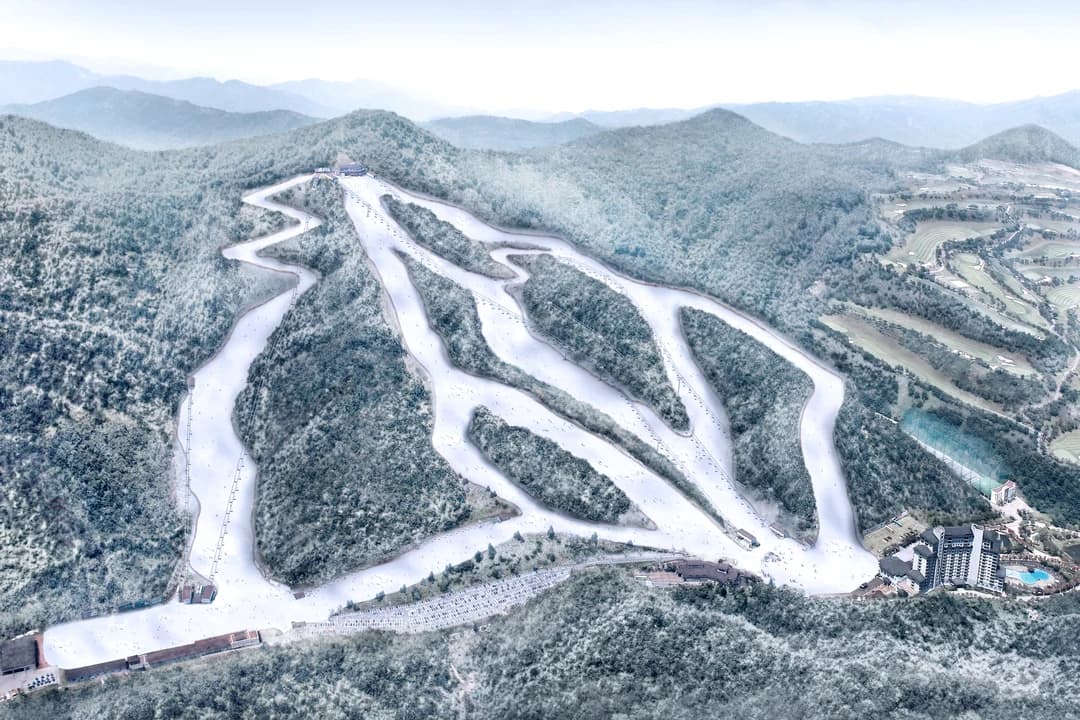
In Sokcho, stay near the Seoraksan park entrance for early cable car queues or in town near the market for dinner. In Chuncheon, the Myeongdong area puts the dakgalbi alley at your door, and Legoland Korea has an on-site hotel for families. For skiing the main bases are Pyeongchang (Alpensia), Hoengseong (Welli Hilli Park, an all-season resort whose rooms overlook the slopes) and Jeongseon (High1 Resort).
Accessibility and families
Wheelchair users can ride the Seorak Cable Car (an elevator reaches the boarding level) but prams cannot go on board; free pram storage is outside the station. The Soyang River Skywalk has a ramp, accessible parking, an accessible toilet and an elevator for disabled visitors. The Jeongdong sea-fan trail has no toilets along its 3 km, is a long walk for small children, and does not admit infants without a guardian (as of 2026-10-11).
For families: Legoland Korea is built for ages 2 to 12; Alpaca World in Hongcheon lets children feed animals; Cheongok Cave in Donghae stays at a constant 14 to 15 degrees; Chuncheon National Museum is free (09:00 to 18:00, closed Mondays, 1 January, and Seollal and Chuseok days) and has a children's museum (as of 2026-10-11). Prams are not suited to the stairs of mountain temples or the Hwanseon Cave approach.
Safety, weather and etiquette
Mountain and coastal attractions in Gangwon close in storms, snow, high waves and strong wind: the Seorak Cable Car, the Soyang River Skywalk, the Jeongdong sea-fan trail and the Samcheok cable car all say so. Check the day's conditions with the staff at the gate, and keep one indoor option (a museum, cave or cafe) in reserve for each day.
Etiquette and rules to remember: photography of military installations along the Jeongdongjin coast is prohibited; pets are not allowed on the sea-fan trail, in Hwanseon Cave or at Haesindang; shoe covers and no high heels at the Skywalk; keep quiet and tidy in temples such as Cheongpyeongsa, Woljeongsa and Baekdamsa; and at Seonggyojang, which is private property, keep to the open buildings and paths and do not fly drones. Mountain weather changes quickly, so carry a light jacket even in summer.
3-day itinerary: the east coast
- Day 1, Gangneung: KTX from Seoul (about 2 hours), then Seonggyojang in the morning (opens 09:00; allow 1 to 1.5 hours with the guided tour), Gyeongpo Lake and Beach in the afternoon, and sunset coffee on Anmok coffee street, which is open all hours.
- Day 2, Jeongdongjin to Sokcho: morning on the Jeongdong Simgok sea-fan trail (about 1 hour, tickets from 09:00) and the Jeongdongjin rail bike (operating from 08:45), then bus 112 back toward Gangneung Station and an intercity bus to Sokcho in the afternoon. Dinner on dakgangjeong and chicken at Sokcho Market.
- Day 3, Seoraksan: take bus 7 or 7-1 from Sokcho's intercity terminal to the park entrance, ride the cable car (₩16,000 round trip as of 2026-10-11, queue early), spend an hour at Gwongeumseong, then return to Seoul by express bus (about 2 hours 30 minutes) in the afternoon. If you have the legs for it and the weather is clear, trade the cable car for Ulsanbawi.
5-day itinerary: lakes, highlands and the coast
- Day 1, Chuncheon: ITX-Cheongchun from Seoul (about an hour to an hour and a quarter). Soyang River Skywalk (open from 10:00, closed Tuesdays), dakgalbi at Myeongdong Dakgalbi Alley, and the Samaksan Lake Cable Car at dusk.
- Day 2, Chuncheon to Pyeongchang: a morning at Nami Island (08:00 to 21:00, ₩19,000 with the boat) or Cheongpyeongsa by boat from Soyang Dam, then intercity bus to Pyeongchang (both towns have a terminal) and an overnight near Alpensia or in Bongpyeong.
- Day 3, Pyeongchang to Gangneung: Daegwallyeong Sheep Ranch when the ticket window opens at 09:00 (₩9,000 adults), Woljeongsa for the nine-story pagoda, then KTX from Pyeongchang or Jinbu station to Gangneung. Evening at Seonggyojang or the Anmok coffee street.
- Day 4, Jeongdongjin and Samcheok: sea-fan trail and rail bike in the morning, then a bus south to Samcheok for the Marine Cable Car (last ticket 17:10) and Haesindang (tickets until 17:00). A cave visit at Hwanseon (tickets until 16:30 in summer hours) is better done the next morning on a separate day.
- Day 5, Sokcho and Seoraksan: bus to Sokcho, cable car at Seoraksan (₩16,000 round trip as of 2026-10-11) or Ulsanbawi hike, lunch of chicken at Sokcho Market, then express bus to Seoul (about 2 hours 30 minutes). Everything on this plan is subject to the 2026 peak-season closures and weather.
Tips
Keep the 1330 Korea Travel Helpline number in your phone: it takes calls in Korean, English, Japanese and Chinese, among others.
Buy the KTX seat first and the activity second: Korail tickets go on sale one month ahead at 07:00 (as of 2026-10-11), while the Seorak cable car and the Skywalk are bought on the day with no advance booking. Bring ID if you qualify for a senior, merit or resident discount, because they are checked at the counter.
Do the temperature-sensitive and weather-sensitive places in the morning (cable car, sea-fan trail, skywalks), keep museums and caves for the afternoon, and leave a buffer at the end of the day for the last bus or KTX. Pack a rain jacket for the rail bikes, which run in rain (ponchos are sold on site), and respect Seonggyojang as private property.
Sources and last update
Last updated: 11 October 2026. Figures are as of the date shown.
Source: Gangwon Tourism · Korea Tourism Organization · Seorak Cable Car · Visit Gangneung · Gangneung Tourism Development Corporation · Gangneung Seonggyojang · Chuncheon City Tourism · Jeongseon County Tourism · Samcheok City Culture and Tourism · Pyeongchang County Culture and Tourism · Daegwallyeong Sheep Ranch · Wikipedia · Wikivoyage · Checked 11 Oct 2026
Written by HOLIDAY in its own words from official public information. This is not an official publication of the Korea Tourism Organization or any government body.
HOLIDAY refreshes this article regularly as fares, hours and event dates change.