Destination briefing
Why travelers stop here
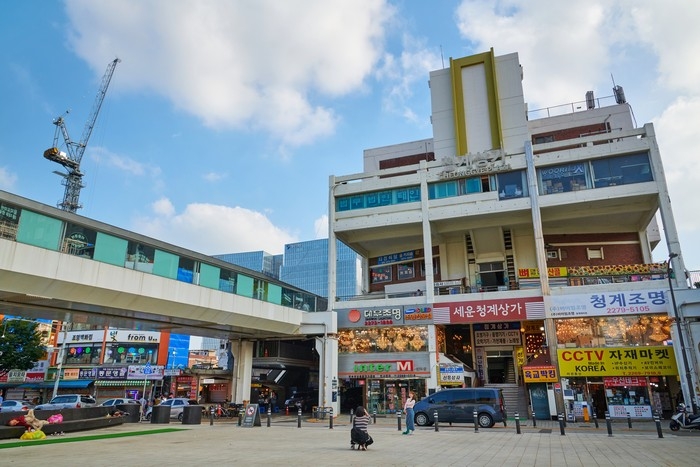
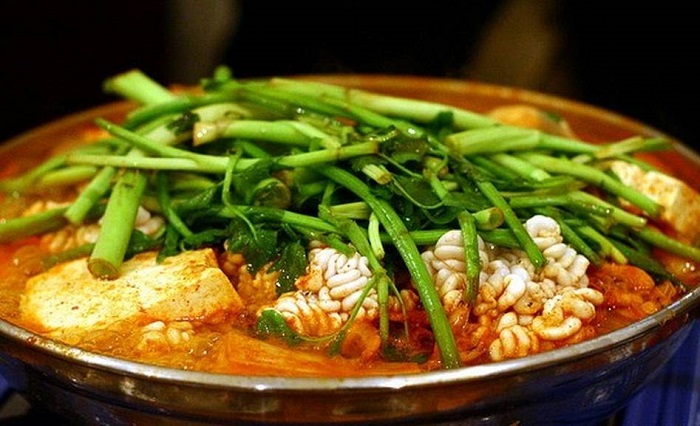
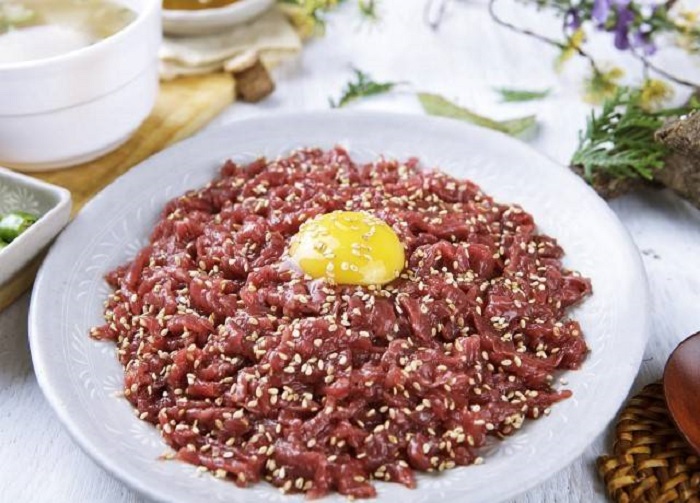
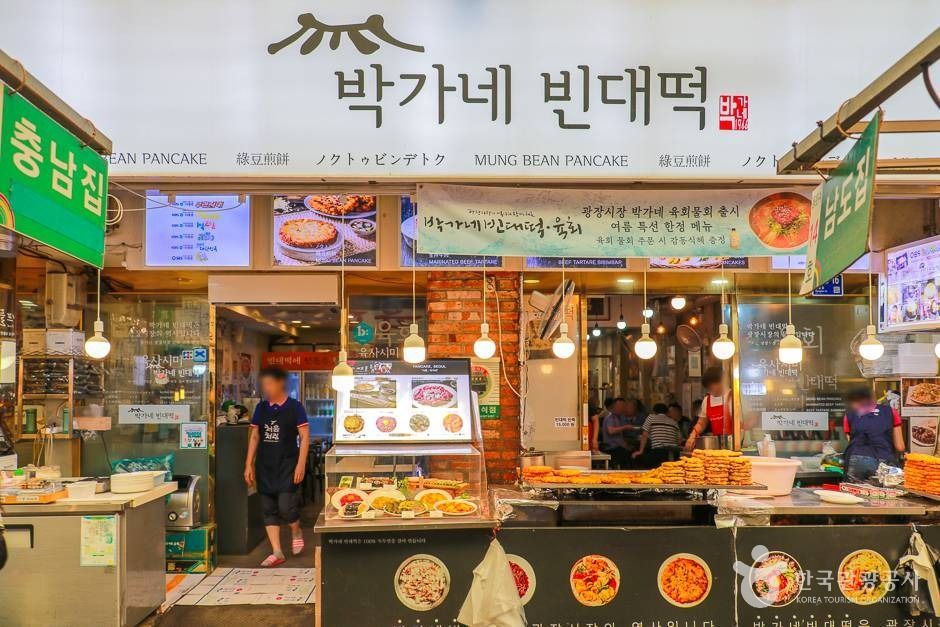
During the late Joseon period, as domestic affairs were in turmoil and the nation became a battleground for powerful forces such as Japan and China, the national fate was precarious. After the signing of the Eulsa Treaty in 1905 (the 42nd year of King Gojong's reign), Japan effectively took control of sovereignty and pursued economic invasion policies. As an example, they seized management rights of Namdaemun Market, and as an economic breakthrough, the Gwangjang Market in Jongno was newly opened. In 1905, Korea's first permanent market was born. Originally, the market was planned to be built by covering the area between Gwanggyo (Broad Bridge) and Janggyo (Long Bridge), so it was named Gwangjang (廣長) Market, meaning 'broad and long,' taking the first characters of the bridge names. However, when the site was moved to Baeogae, the Korean pronunciation of the previous name was retained, but a new meaning of 'widely gather and store' was added, resulting in the current Gwangjang (廣藏) Market. At the time of its opening, the main traded items were agricultural and marine products, firewood, and charcoal, brought in by oxcarts from places like Gapyeong, Ttukseom, Icheon, and Cheorwon, functioning as a small-scale, simple, and primitive market. However, over a century later, the current main traded items include silk, fabrics (hanbok), textiles (suits and dress fabrics), women's clothing, curtain fabrics, bedding, handicrafts, lacquerware, kitchenware, imported goods, fruits, dried fish, ritual supplies, fish, meat, and vegetables, making it a comprehensive market boasting a significant trading volume. Additionally, the most bustling area of Gwangjang Market is the food street formed at the intersection of Dongmun, Buk 2-mun, and Nam 1-mun. The food street at Gwangjang Market attracts all age groups, from students to middle-aged and elderly people. It is now designated as a global tourist course and is proud to be a stop for many foreign tourists traveling to Korea.
Address: 88 Changgyeonggung-ro, Jongno-gu, Seoul
OTA-ready stop
Built into inbound routes and day-tour planning.
Local context
서울특별시 종로구 창경궁로 88
Travel fit
Shopping · Seoul

![Jongmyo Shrine [UNESCO World Heritage]](https://tong.visitkorea.or.kr/cms/resource_photo/57/4063057_image2_1.jpg)
![[Early bird] Elysian Gangchon Ski Tour from Seoul (5 pick-up points)](/_next/image?url=https%3A%2F%2Fadmin.holidaykr.com%2Fapi%2Fadmin%2Fsystem%2Fbasic-settings%2Ffavicon%3Fpath%3D%252Fuploads%252Fproducts%252Fthumbs%252F750_1785201339504_file1.jpg&w=3840&q=75)