Destination briefing
Why travelers stop here
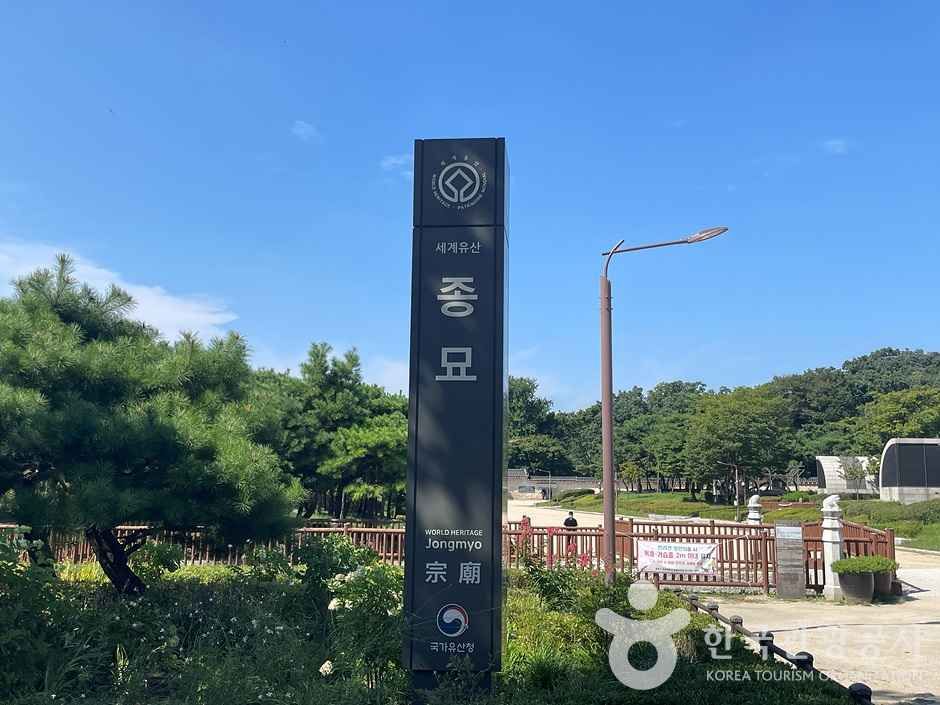
Jongmyo Shrine is a national shrine where the spirit tablets of the kings and queens, emperors and empresses of the Joseon Dynasty and the Korean Empire are enshrined and ancestral rites are performed. The shrine includes the main building, Jeongjeon, a separate shrine called Yeongnyeongjeon, and various auxiliary buildings. After the founding of Joseon, in 1395 (the 4th year of King Taejo's reign), following the principle that 'the royal ancestral shrine should be built to the left of the palace and the altar of the earth and grain god to the right,' Jongmyo was established at its current location. At the time of its founding, only the current Jeongjeon existed, and it was called 'Daemyo,' 'Taemyo,' or 'Jongmyo.' As a vassal state, Joseon adopted the Five Shrine System, enshrining the founding monarch (Taejo) and the four preceding generations of the reigning king (great-great-grandfather, great-grandfather, grandfather, and father) at Jongmyo. During the reign of King Sejong, after much discussion about the spirit tablets of kings beyond the fourth generation (excluding Taejo) under the Five Shrine System, a separate shrine called Yeongnyeongjeon was built next to Jeongjeon. All spirit tablets of kings beyond the fourth generation were moved to Yeongnyeongjeon. Later, during the reign of King Yeonsangun, the system of 'Sesil' (permanent enshrinement in Jeongjeon) and 'Jocheon' (transfer to Yeongnyeongjeon) was adopted. According to this system, during the enshrinement ceremony (Bumyorye) after the three-year mourning period (27 months) for a king and queen, the spirit tablet was first placed in Jeongjeon, and then designated as either 'Sesil' or 'Jocheon,' with the tablet enshrined in Jeongjeon or Yeongnyeongjeon accordingly. As the number of enshrined spirit tablets increased, the shrine halls were expanded several times, resulting in the current scale of 19 bays for Jeongjeon and 16 bays for Yeongnyeongjeon. Other buildings within the Jongmyo grounds include Mangmyoru (a pavilion where officials of the Jongmyo Office handled ritual affairs), Hyangdaecheong (a hall for storing incense and ritual prayers), Jaegung (a hall where the king and crown prince prepared for rituals), and Jeonsacheong (a hall where ritual food was prepared).
OTA-ready stop
Built into inbound routes and day-tour planning.
Local context
서울특별시 종로구 종로 157 (훈정동)
Travel fit
Attraction · Seoul

![[Early bird] Elysian Gangchon Ski Tour from Seoul (5 pick-up points)](/_next/image?url=https%3A%2F%2Fadmin.holidaykr.com%2Fapi%2Fadmin%2Fsystem%2Fbasic-settings%2Ffavicon%3Fpath%3D%252Fuploads%252Fproducts%252Fthumbs%252F750_1785201339504_file1.jpg&w=3840&q=75)