Destination briefing
Why travelers stop here
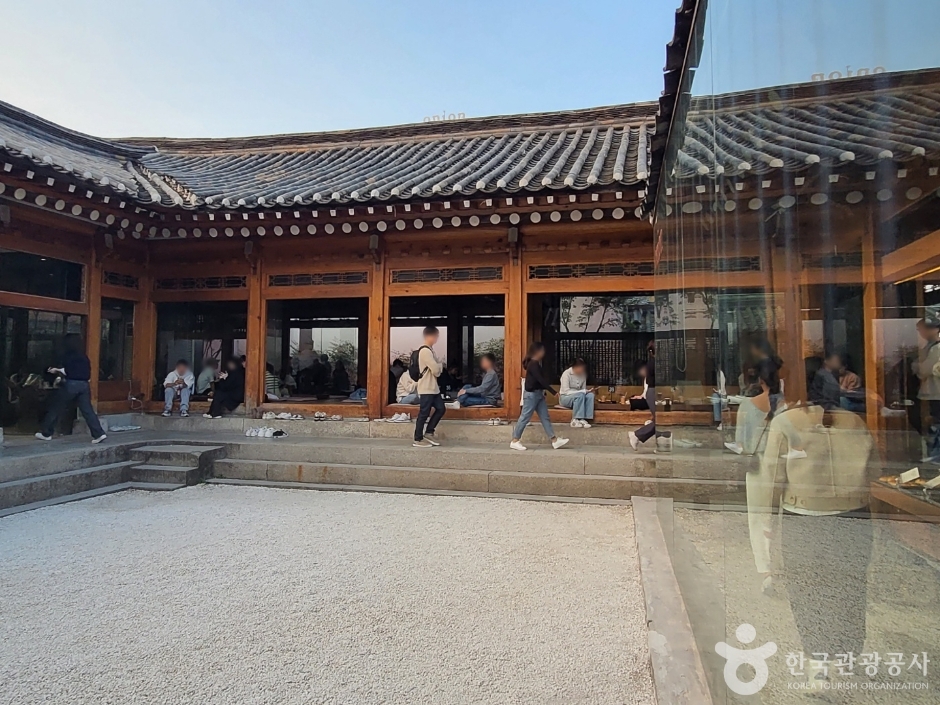
Nakseonjae Hall is located on the border between Changdeokgung Palace and Changgyeonggung Palace. In 1847 (the 13th year of King Heonjong's reign), King Heonjong of the Joseon Dynasty built Nakseonjae on the site of Nakseondang Hall of Changgyeonggung Palace to welcome his concubine, Gyeongbin Kim. The following year, Seokbokheon Hall and Sugangjae Hall were built. Nakseonjae was used as King Heonjong's study and reception hall, Seokbokheon as the residence of Gyeongbin, and Sugangjae as the residence of Queen Sunwon Kim (King Sunjo's queen), who was the Grand Queen Dowager at the time. Notably, this area was also where the last imperial family of the Korean Empire, including Empress Sunjeong Yun (the last empress of the Korean Empire), Crown Princess Euimin (Princess Bangja Lee), and Princess Deokhye, lived until their deaths.
The Nakseonjae area has a simple appearance without dancheong (traditional decorative coloring), and a rear garden was created behind Nakseonjae. Between the buildings and the rear garden, small stone terraces were built in a stepped manner to plant flowers, and refined chimneys and oddly shaped rocks were arranged among them. It is a representative garden that combines the dignity of a palace with the cozy charm unique to women's spaces.
OTA-ready stop
Built into inbound routes and day-tour planning.
Local context
서울특별시 종로구 율곡로 99 (와룡동)
Travel fit
Attraction · Seoul
![Changdeokgung Palace and Huwon [UNESCO World Heritage]](https://tong.visitkorea.or.kr/cms/resource_photo/09/3511909_image2_1.jpg)


![[Early bird] Elysian Gangchon Ski Tour from Seoul (5 pick-up points)](/_next/image?url=https%3A%2F%2Fadmin.holidaykr.com%2Fapi%2Fadmin%2Fsystem%2Fbasic-settings%2Ffavicon%3Fpath%3D%252Fuploads%252Fproducts%252Fthumbs%252F750_1785201339504_file1.jpg&w=3840&q=75)