Destination briefing
Why travelers stop here
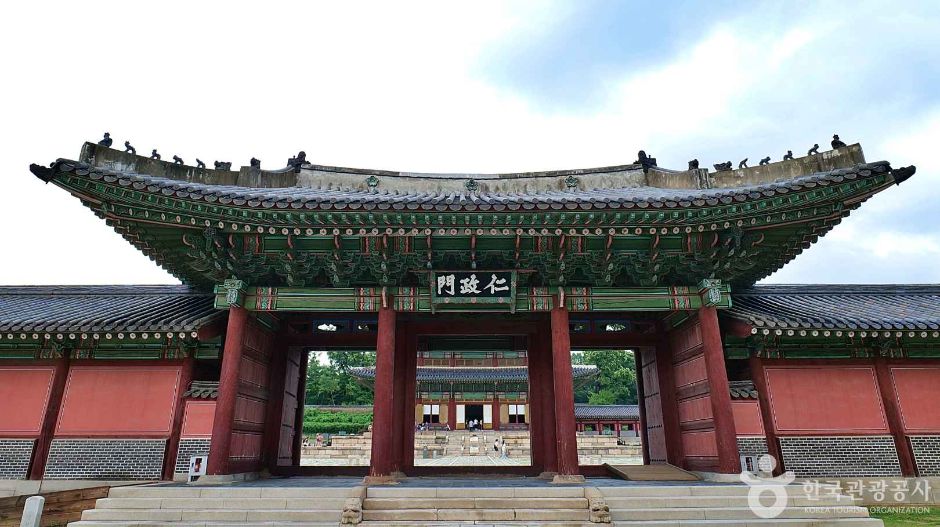
Changdeokgung Palace was built in 1405 (the 5th year of King Taejong's reign) as a secondary palace to the main palace, Gyeongbokgung. It was destroyed during the Japanese invasion of 1592 (the 25th year of King Seonjo's reign) and was the first palace to be rebuilt in 1610 (the 2nd year of King Gwanghaegun's reign). Subsequently, for about 270 years until the reconstruction of Gyeongbokgung in 1867, successive kings used Changdeokgung more extensively, making it effectively the main palace. Notably, Heungbokheon, an annex of Daejojeon Hall, is a tragic site where the decision for the 1910 Japan-Korea Annexation Treaty was made. The Nakseonjae area is where, after Korea's liberation, the last imperial family members of the Korean Empire—Empress Sunjeong (the second empress of King Sunjong), Crown Princess Euimin (Princess Bangja), and Princess Deokhye (daughter of King Gojong)—lived until their deaths.
Changdeokgung, along with Changgyeonggung Palace, was collectively referred to as 'Donggwol' (Eastern Palace) without a clear boundary. Compared to other palaces, Changdeokgung was built in harmony with the surrounding terrain rather than following an artificial structure, earning it the reputation of being the most Korean palace. It was designated a UNESCO World Heritage site in 1997.
OTA-ready stop
Built into inbound routes and day-tour planning.
Local context
서울특별시 종로구 율곡로 99 (와룡동)
Travel fit
Attraction · Seoul


![[Early bird] Elysian Gangchon Ski Tour from Seoul (5 pick-up points)](/_next/image?url=https%3A%2F%2Fadmin.holidaykr.com%2Fapi%2Fadmin%2Fsystem%2Fbasic-settings%2Ffavicon%3Fpath%3D%252Fuploads%252Fproducts%252Fthumbs%252F750_1785201339504_file1.jpg&w=3840&q=75)