Destination briefing
Why travelers stop here
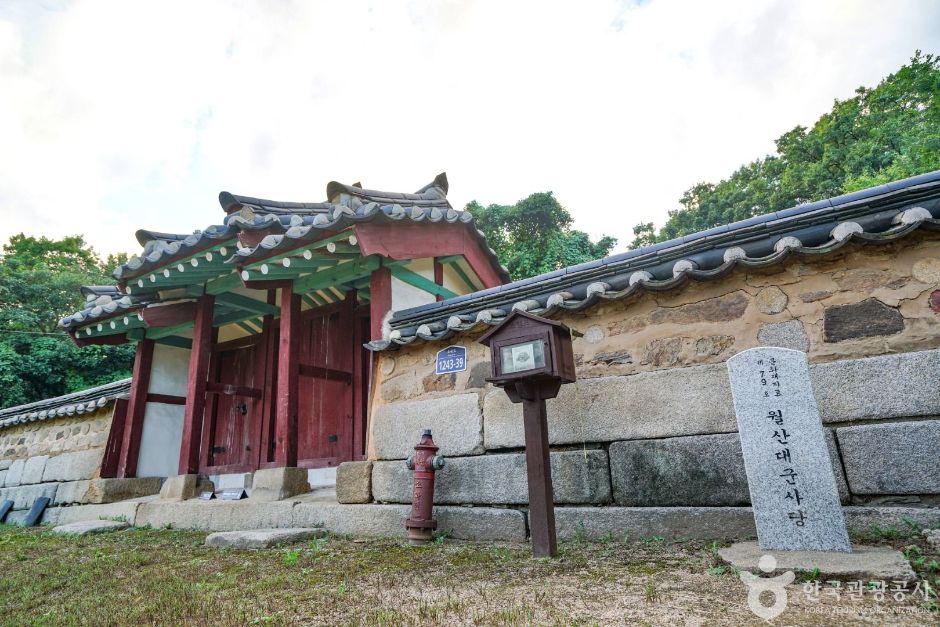
Seosamneung (西三陵) means 'three tombs in the west' and is the second largest royal tomb cluster of the Joseon Dynasty after Seooreung, located in Goyang-si, Gyeonggi Province. In 1537 (the 32nd year of King Jungjong's reign), the Heereung (禧陵) of Queen Janggyeong, King Jungjong's second queen, was moved from the hill west of Heolleung and Illeung in present-day Seocho-gu, Seoul to its current location. In 1545 (the 1st year of King Injong's reign), when King Jungjong's Jeongneung was built on the hill west of Heereung, the tomb was named Jeongneung, combining it with Heereung. However, in 1562 (the 17th year of King Myeongjong's reign), when Jeongneung was moved to present-day Gangnam-gu, Seoul, it became Heereung again. Subsequently, King Injong's Hyoreung (孝陵), Crown Prince Sohyeon's Sohyeonmyo (昭顯墓, later Sogyeongwon (昭慶園)), and King Cheoljong's Yereung (睿陵) were established. During the Japanese colonial period, the placenta chambers (taesil) of kings and royal family members from across the country, as well as the tombs of princes, princesses, and royal concubines, and Crown Prince Munhyo's Hyochangwon (孝昌園) were relocated to the Seosamneung precinct. After liberation in 1945, the Uiryeongwon (懿寧園) of Crown Prince Uiso was moved, and during the period of urbanization and development, the tombs of royal concubines and the Hoemyo (懷墓) of Deposed Queen Yun were moved into the precinct, resulting in the current Seosamneung.
OTA-ready stop
Built into inbound routes and day-tour planning.
Local context
경기도 고양시 덕양구 서삼릉길 233-126 (원당동)
Travel fit
Attraction · Gyeonggi-do


![[Early bird] Elysian Gangchon Ski Tour from Seoul (5 pick-up points)](/_next/image?url=https%3A%2F%2Fadmin.holidaykr.com%2Fapi%2Fadmin%2Fsystem%2Fbasic-settings%2Ffavicon%3Fpath%3D%252Fuploads%252Fproducts%252Fthumbs%252F750_1785201339504_file1.jpg&w=3840&q=75)