Destination briefing
Why travelers stop here
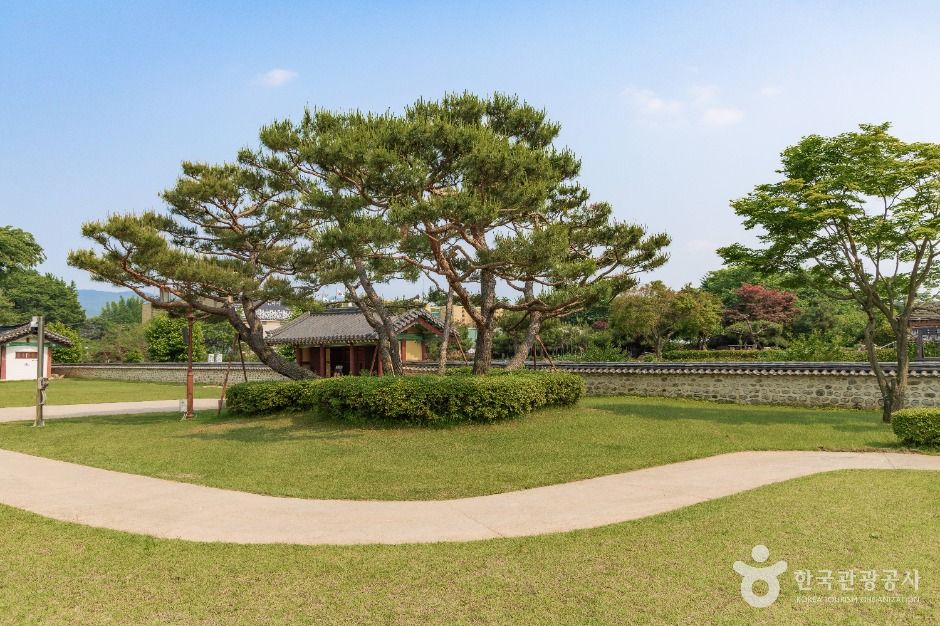
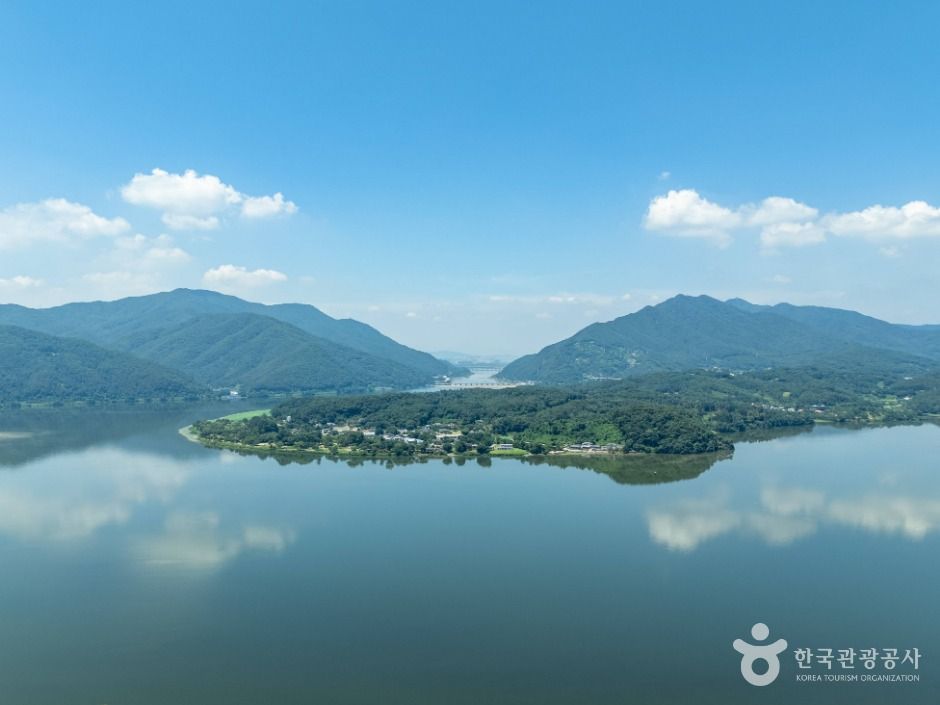
The tomb of Dasan Jeong Yak-yong (1762–1836), a mid-Joseon civil official and master of Silhak (Practical Learning), is located within the Jeong Yak-yong Historic Site in Neungnae-ri, Joan-myeon, Namyangju-si. This area is called Majae Village and is designated as Gyeonggi Old Road Pyeonghae 3-gil, with the Jeong Yak-yong Historic Site, Silhak Museum, Dasan Ecological Park, and Sujongsa Temple situated along the Hangang River. The tomb was designated as Gyeonggi-do Monument on May 4, 1972, and is a joint burial with his wife, Pungsan Hong. The grave features a tombstone, a stone table, and an incense burner stone. Dasan Jeong Yak-yong, Korea's greatest Silhak scholar and reformer who synthesized 18th-century Silhak thought, was exiled to Gangjin, Jeollanam-do due to the Catholic Persecution of 1801 but was released after 19 years. During his exile, he completed over 500 volumes of writings, including *Mokminsimseo* (Admonitions on Governing the People), *Gyeongseyupyo* (A Design for Good Government), and *Heumheumsinseo* (New Book on Justice). He attempted to reform Joseon but ultimately ended his life in his hometown of Neungnae-ri. The Jeong Yak-yong Historic Site includes not only the tomb but also his birthplace, Yeoyudang, as well as Dasan Culture Hall and Dasan Memorial Hall, which can be visited together. The annual Jeong Yak-yong Cultural Festival, held since 1986, is a representative cultural festival of Namyangju-si that inherits the practical and humanistic spirit of Dasan, a UNESCO-designated World Commemorative Figure. When visiting Namyangju, you can plan a travel course to experience history and culture by following the footsteps of Jeong Yak-yong.
OTA-ready stop
Built into inbound routes and day-tour planning.
Local context
경기도 남양주시 조안면 다산로747번길 11 (조안면)
Travel fit
Attraction · Gyeonggi-do


![[Early bird] Elysian Gangchon Ski Tour from Seoul (5 pick-up points)](/_next/image?url=https%3A%2F%2Fadmin.holidaykr.com%2Fapi%2Fadmin%2Fsystem%2Fbasic-settings%2Ffavicon%3Fpath%3D%252Fuploads%252Fproducts%252Fthumbs%252F750_1785201339504_file1.jpg&w=3840&q=75)