Destination briefing
Why travelers stop here
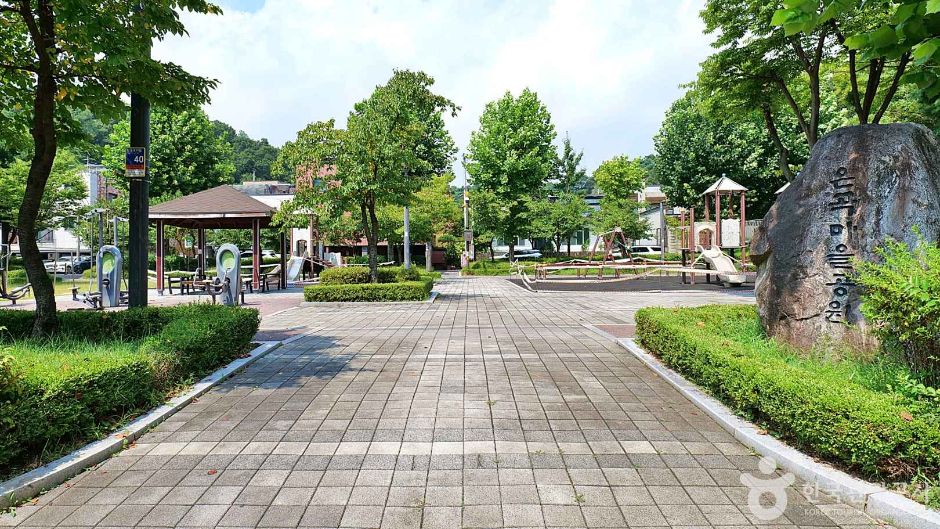
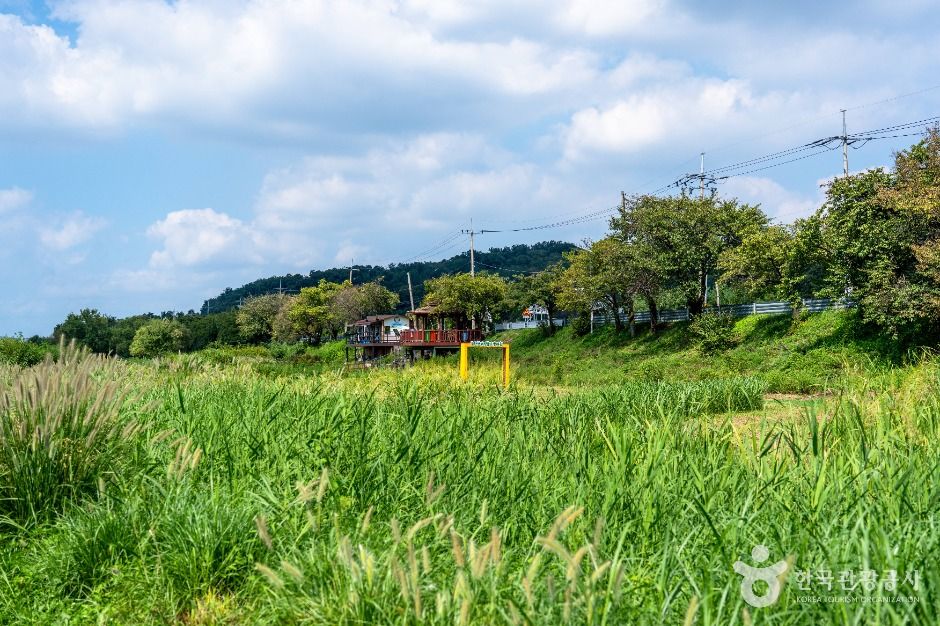
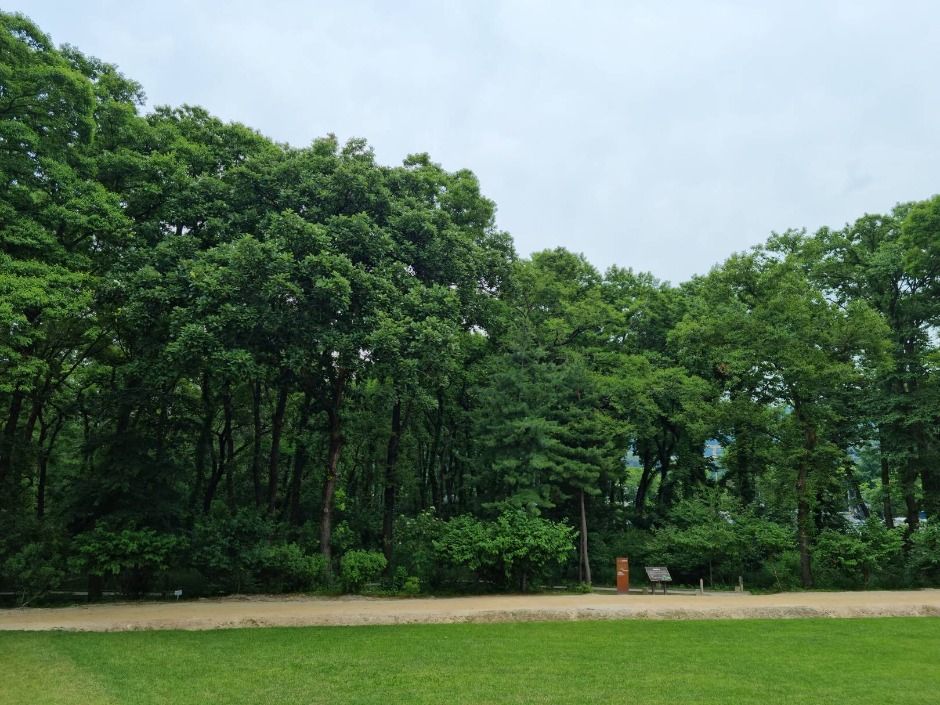
The Saesori Mulsori building consists largely of the main house and an annex. The main house, a tiled-roof house, was built directly by the owner's great-grandfather. It has a mountain at the back and a stream flowing in front. The house faces south, and a pond is placed beside it, following the principles of pungsu (feng shui). It is a Joseon-style hanok completed in 1923 after three years of effort, characterized by its wide eaves. In 2024, it was designated as a Gyeonggi-do designated cultural property. Around the hanok, there is a 300-year-old zelkova tree designated as a protected tree of Seongnam City, an octagonal pavilion, a pond, and a well, as well as many old fruit trees such as persimmon, chestnut, cherry, jujube, and plum trees, allowing visitors to feel the rustic atmosphere closest to Gangnam.
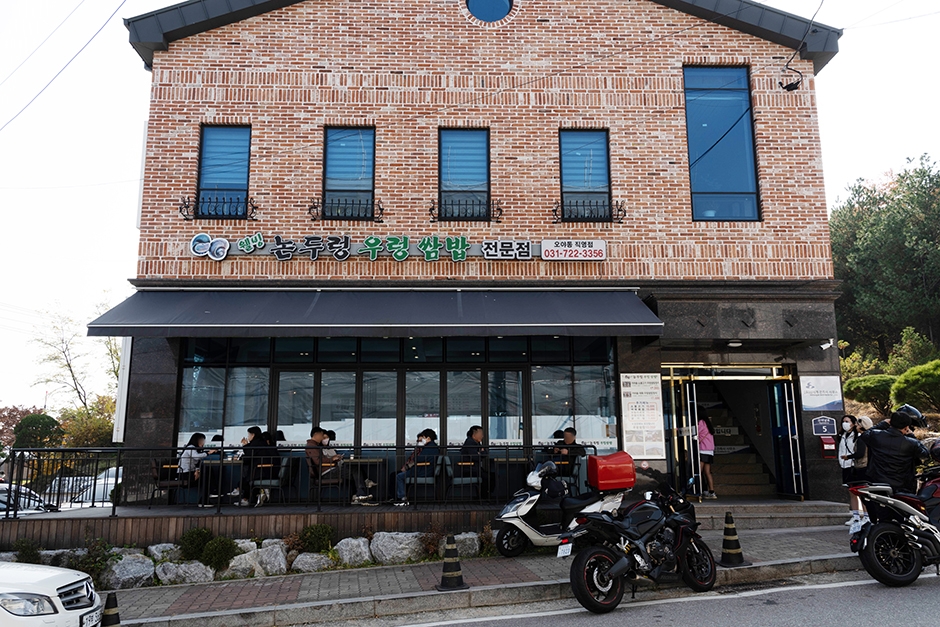
The signature tea of Saesori Mulsori is the representative tea, which features an excellent harmony of the sweetness of jujube and the bitter taste of ssanghwa (herbal tea). In addition, you can enjoy various traditional teas such as jujube tea, boiled for 6 hours with the jujube flesh mashed by hand, and ssanghwa tea, made by carefully decocting nine herbal ingredients sourced directly for 7 hours. You can also taste red bean porridge made by boiling the finest red beans for 4 hours and adding domestic rice flour, and patbingsu (shaved ice with red beans) featuring excellent bean paste with intact red bean grains made from the finest red beans.
OTA-ready stop
Built into inbound routes and day-tour planning.
Local context
경기도 성남시 수정구 오야남로38번길 10 (오야동)
Travel fit
Food · Gyeonggi-do
![Seoul Heolleung (Taejong & Queen Wongyeong) and Illeung (Sunjo & Queen Sunwon) [UNESCO World Heritage]](http://tong.visitkorea.or.kr/cms/resource/76/3530376_image2_1.jpg)


![[Early bird] Elysian Gangchon Ski Tour from Seoul (5 pick-up points)](/_next/image?url=https%3A%2F%2Fadmin.holidaykr.com%2Fapi%2Fadmin%2Fsystem%2Fbasic-settings%2Ffavicon%3Fpath%3D%252Fuploads%252Fproducts%252Fthumbs%252F750_1785201339504_file1.jpg&w=3840&q=75)