Destination briefing
Why travelers stop here
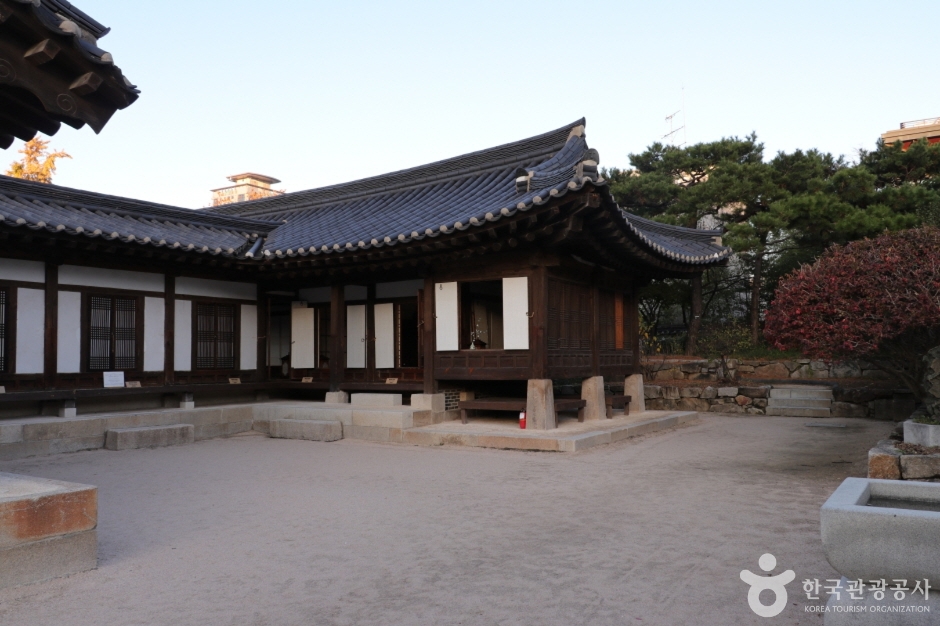
To commemorate the 600th anniversary of the founding of Seoul as the capital, 600 items representing today's civic life and the appearance of Seoul were placed in a capsule to be passed down as a cultural heritage to descendants 400 years later, on the 1,000th anniversary of Seoul's founding. The time capsule, still in a deep sleep for a 400-year time journey, was specially manufactured by the Seoul Metropolitan Government on November 29, 1994, to commemorate the 600th anniversary of Seoul's founding. It is shaped after the Bosingak Bell, with a diameter of 1.3m, height of 1.7m, and weight of 2.5t. This capsule contains over 600 items representing all aspects of current life, including politics, economy, society, and culture. The Namsangol Time Capsule Square, where the capsule is buried, is a basin-shaped area of 1,500 pyeong in the form of a meteorite crater, with the time capsule buried in a circular depression 42m in size. Additionally, the Seoul Metropolitan Government landscaped the area with marble stones engraved with congratulatory messages from mayors around the world in their respective languages, 12 pillars surrounding the basin symbolizing the cyclical nature of time, and ginkgo trees known as living fossils. The marble stones with congratulatory messages in various world languages include the phrase by Seoul Mayor 'Choi Byeong-ryeol'. The collection items, strictly selected through two rounds of public征集, were buried in the following proportions: 30% actual items, 5% scale models and blueprints, 25% CD-ROMs or microfilms, and 40% video recordings. The items include seeds of rice and barley, 2,000 sheets of Seoul aerial photography film, Uwhangcheongsimhwan, elementary, middle, and high school textbooks, spoons, bus tokens, disposable lighters, and microfilms of newspapers featuring the collapse of the Seongsu Bridge on the front page, all representing our current lifestyle in the form of actual items, video recordings, microfilms, and scale models. Actual items stored include diapers, cigarettes, pantyhose, men's and women's swimsuits, health foods like brown rice enzyme, credit cards, real estate sales contracts, seeds of major crops, contraceptives, artificial hearts, gift certificates, public official salary statements, driver's licenses, elementary, middle, and high school exam papers, cordless phones, flower cards (hwatu), various lottery tickets, etc. Scale models include the KITSAT-1 satellite, 1994 passenger cars, electric trains, personal computers, excavators, etc. Furthermore, the contents stored on CD-ROMs or microfilms include menus commonly consumed by Seoul citizens at the time, types of kimchi and how to make them, the AIDS situation, test-tube babies, auction-style savings clubs, financial real-name system, securities empty accounts, subway TBM construction methods, building management ledgers, customs seizure lists, land sale systems, the reality of exam irregularities, the Nanjido situation, 1994 bestseller lists, new town development, Seoul's 2000 urban plan, etc. Along with this, video recordings on CD and LD include children's clothing for boys and girls, men's and women's hanbok, various family rituals, professional baseball, securities company trading floors, Yongsan Electronics Market, Namdaemun Market, department stores, 24-hour convenience stores, small grocery stores, TV public service advertisements, real estate agencies, the president's daily schedule, the Orange Tribe (trendy youth), noraebang (karaoke rooms), ssireum (Korean wrestling), etc., making the time capsule a true representation of Korean history.
OTA-ready stop
Built into inbound routes and day-tour planning.
Local context
서울특별시 중구 퇴계로34길 28 (필동2가)
Travel fit
Culture · Seoul

![[Early bird] Elysian Gangchon Ski Tour from Seoul (5 pick-up points)](/_next/image?url=https%3A%2F%2Fadmin.holidaykr.com%2Fapi%2Fadmin%2Fsystem%2Fbasic-settings%2Ffavicon%3Fpath%3D%252Fuploads%252Fproducts%252Fthumbs%252F750_1785201339504_file1.jpg&w=3840&q=75)