Destination briefing
Why travelers stop here
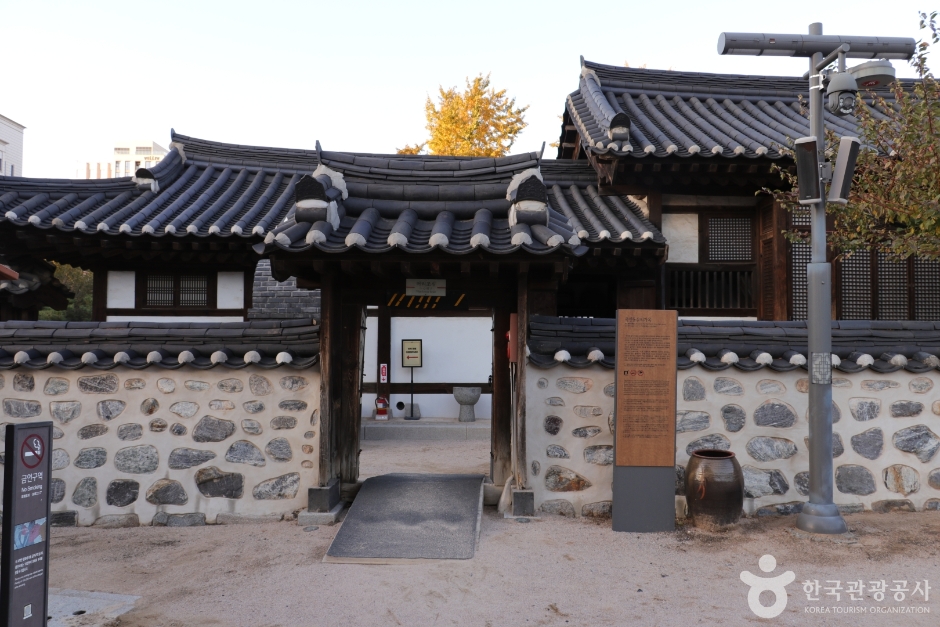
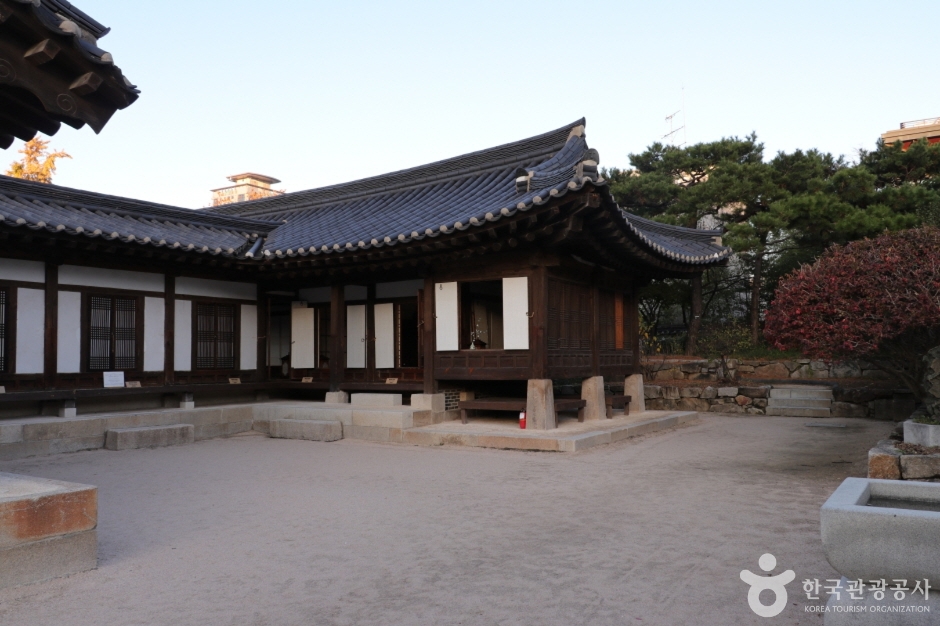
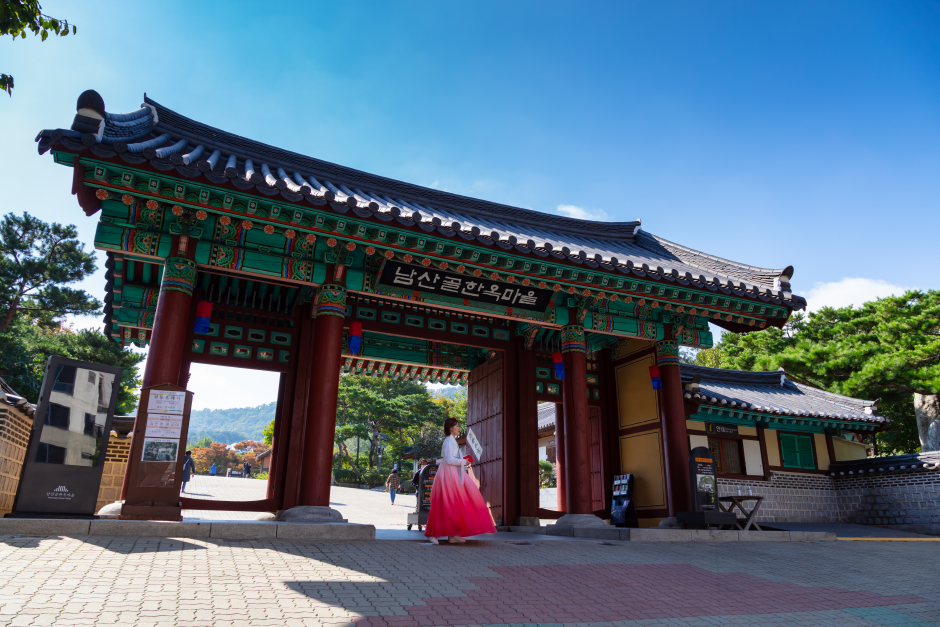
Located at 30-1 Gwanhun-dong, the Min family house was the residence of Min Yeong-hwi, a late Joseon Dynasty politician and pro-Japanese figure listed in the Dictionary of Pro-Japanese Collaborators. Min Yeong-hwi, a wealthy official who served as a minister and president of Hanil Bank during the Japanese colonial period, purchased land in the Gwanhun-dong area and moved his family there in 1895 after relocating from Anguk-dong to Gyo-dong. As of 1936, there were a total of six wooden-tiled houses and a two-story Western-style building, but in 1976, part of the house was lost, leaving only two wooden-tiled structures, including a portion of the main building and the gatehouse. It was designated as a Seoul City Folk Material in 1977. Min Yeong-hwi, his legal wife Daebangmama Pyeongsan Shin, and their adopted eldest son Min Hyeong-sik lived in Gyeongun-dong, while his concubine Haejumama An Yu-pung and her son Min Dae-sik lived in Gwanhun-dong, with their descendants also residing together in the Gyeongun-dong and Gwanhun-dong areas. The land at 30 Gwanhun-dong was owned by Min Yeong-hwi's descendants until the 1970s, but after auctions and sales, Gyeongin Art Museum acquired ownership in 1986. During the museum's ownership from 1995 to 1998, part of the main building and the gatehouse were relocated and restored to Namsangol Hanok Village, where they remain today.
OTA-ready stop
Built into inbound routes and day-tour planning.
Local context
서울특별시 중구 퇴계로34길 28
Travel fit
Attraction · Seoul


![[Early bird] Elysian Gangchon Ski Tour from Seoul (5 pick-up points)](/_next/image?url=https%3A%2F%2Fadmin.holidaykr.com%2Fapi%2Fadmin%2Fsystem%2Fbasic-settings%2Ffavicon%3Fpath%3D%252Fuploads%252Fproducts%252Fthumbs%252F750_1785201339504_file1.jpg&w=3840&q=75)