Everything you need for the Seoul metro and a little of Busan: lines and what they connect, fares and transfers, T-money, Climate Card and Mpass compared, exits, express and last trains, rush hours, accessibility, AREX details and ten worked routes. Fares as of 2026-10-11.
How the Seoul metro works
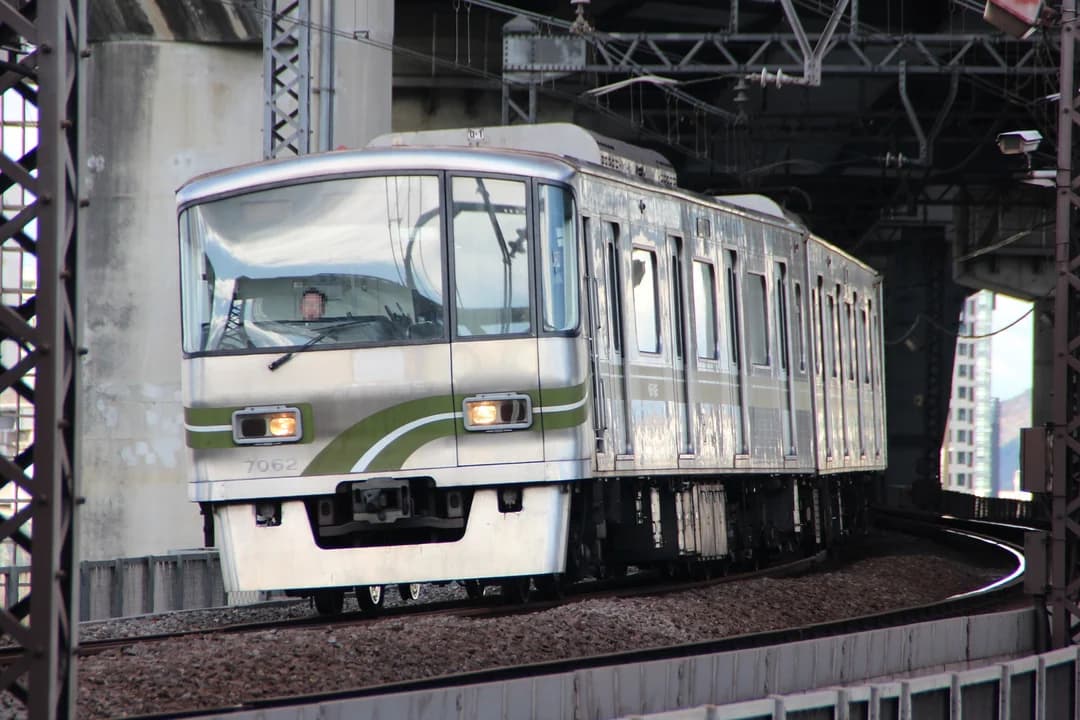
The Seoul metropolitan subway is one of the largest networks in the world: nine numbered lines (Lines 1 to 9) plus more than a dozen others named after places or routes, such as AREX, Gyeongui-Jungang, Suin-Bundang and Shinbundang, about 1,300 km in total. It runs within Seoul, reaches Incheon and Gyeonggi, and connects as far as Gangwon and South Chungcheong.
It is one system for the traveler. Different operators run different lines, but the same transit card works everywhere and transfers between lines are free as long as you stay inside the paid area. All lines are color-coded and numbered, station signs are in Korean, English and Chinese, and every station has platform screen doors and emergency phones on the platforms.
Trains run every day from about 05:30 until around midnight (as of 2026-10-11). The first and last departures differ by line, station and direction, and most public transport in central Seoul stops around 23:30, after which night buses take over (their route numbers start with “N”). Plan your last connection with a margin, not at the last minute.
The lines and what they connect
Line 1 (dark blue) is the old north-south backbone through City Hall and Seoul Station, running out to Uijeongbu, Incheon and Cheonan. Line 2 (green) is the circle line around central Seoul and passes Hongik University (Hongdae), Gangnam, Jamsil and Dongdaemun History & Culture Park; it is the line most visitors use the most.
Line 3 (orange) serves Gyeongbokgung and Chungmuro and the Express Bus Terminal. Line 4 (azure) connects Seoul Station, Myeong-dong, Chungmuro and Dongdaemun History & Culture Park. Line 5 (violet) runs east-west through Gimpo Airport, Gongdeok, Yeouido and Dongdaemun History & Culture Park.
Line 6 (ochre) passes Hapjeong, Digital Media City, Gongdeok and Itaewon. Line 7 (olive) runs from the north of the city across the river through the Express Bus Terminal to the south-western suburbs. Line 8 (pink) serves Jamsil and runs to the south-east suburbs. Line 9 (gold) runs from Gimpo Airport through Yeouido to the Express Bus Terminal, and has fast express trains.
AREX (sea blue) is the airport railroad between Incheon Airport and Seoul Station, calling at Gimpo Airport, Digital Media City, Hongik University and Gongdeok. The Gyeongui-Jungang line (jade) serves Digital Media City, Hongik University, Gongdeok and Seoul Station. The Shinbundang line (red) runs from Sinsa through Gangnam to Gwanggyo and charges an extra fare.
Other lines you may meet: Gimpo Goldline from Gimpo Airport to Yangchon, the Seohae line, the Suin-Bundang line towards Incheon, the Gyeongchun line towards Chuncheon, the light-rail Ui and Sillim lines, the EverLine to Everland, and GTX-A, the fast line from Suseo to Dongtan. They are all shown on the same system map.
Reading the signs, platforms and direction
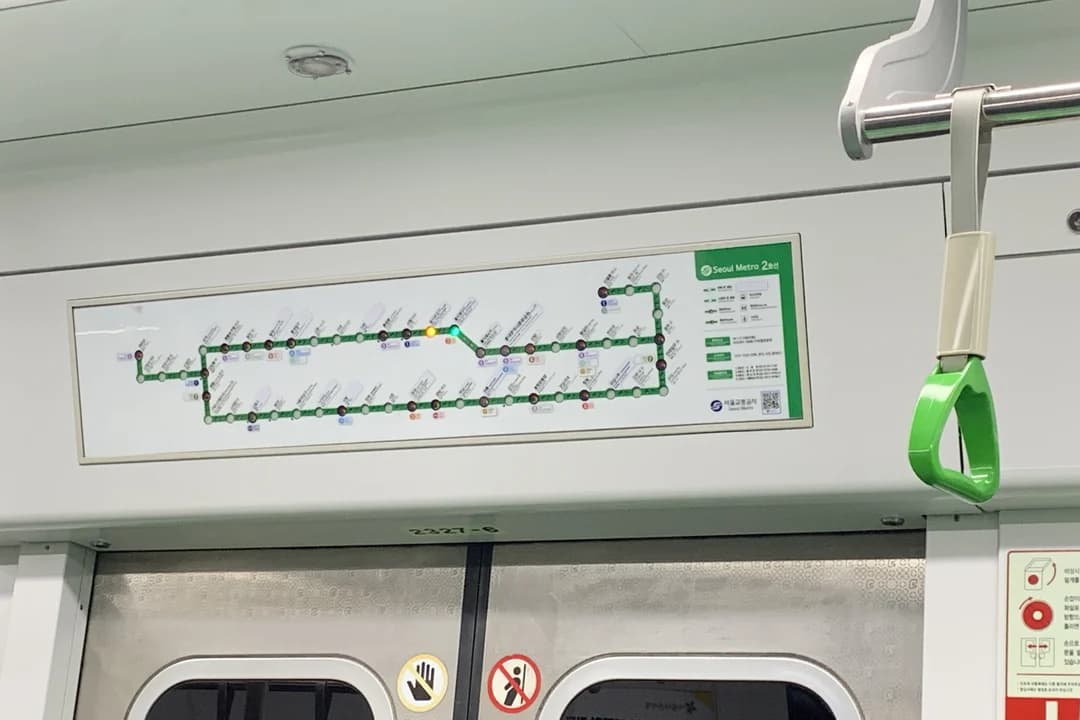
Every line has a number and a color, and the color runs through the signs on the walls and floors. Follow the color of the line you want. Each platform sign shows the last station of that direction, so the question to answer before you go down is “towards which end station?”, not “north or south?”.
Line 2 is a loop, so it has no end station. It has two directions, called the outer and inner circle, and the platform signs show the next stations in each direction. For short hops, pick the direction whose next stations are the ones you want, and on a long trip choose the shorter way round.
Inside the train, a route map is shown above the doors with the next station lit, and screens and announcements give the name in Korean and English, and often Chinese or Japanese too. Check the next-station display rather than counting stops, because express trains skip some stations.
To change lines, follow the sign for the line you want, shown as its number in its color with an arrow. Transfer stations such as Seoul Station, Dongdaemun History & Culture Park, Hapjeong and Chungmuro join the lines by passages inside the paid area; the walk can take several minutes at large stations, so allow time.
Exits and finding your way out
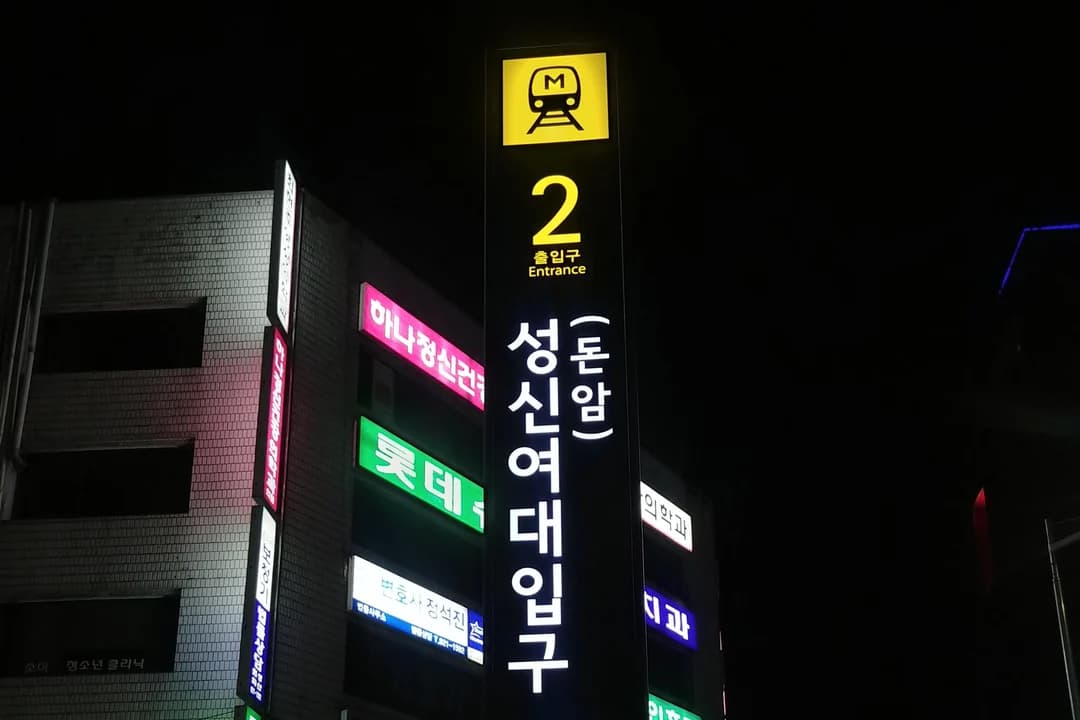
Large stations have many exits, each with a number, and the right one can save you a long walk or a big road crossing. Before you pass the gates, look for the neighborhood map on the wall by the turnstiles, which marks every exit number with the buildings near it, and use the exit number in your map app.
Exit numbers are shown on tall signs at street level and on signs along the underground passages, and the same number appears on the station map. Exits are reached by stairs, escalators or lifts, and the icons on the sign tell you which. The number is the part to remember, because station names look similar in other scripts.
Once you tap out at the gates, the trip is over. If you realize you came out of the wrong exit, you can still walk to the right one above ground, but going back through the gates counts as a new trip and a new fare. Check the exit before you tap out, not after.
Fares and the fare structure
Fares are distance-based and the base fare covers the first 10 km. Since 28 June 2025 the adult base fare is 1,550 won with a transit card and 1,650 won with a single-use paper ticket; the teen fare (ages 13 to 18) with a card is 900 won and the child fare (ages 6 to 12) is 550 won (as of 2026-10-11).
Beyond 10 km an extra charge of 100 won is added for every 5 km up to 50 km, and then 100 won for every 8 km (as of 2026-10-11). So a short ride across central Seoul costs the base fare, while a long trip to the outer suburbs costs a few hundred won more. The card reader at the exit gate calculates the total automatically when you tap out.
A single-use ticket from a machine costs more than a card fare and includes a 500 won deposit, which you get back by putting the ticket into a deposit refund machine at your destination station (as of 2026-10-11). Forgetting this is the most common way travelers lose a little money, and the refund machines are located near the exit gates of every station.
Some lines charge their own extra fare on top: the Shinbundang line between Sinsa and Gwanggyo, the Yongin EverLine, the Ui-Sinseol light rail, and the airport railroad section between Cheongna International City and Incheon Airport. The extra depends on the section you ride and is added automatically to the fare.
Transfers: subway, bus and free changes
Changing between subway lines is free as long as you stay inside the paid area. If you leave the gates and walk to another station, or tap out and back in, it counts as a new trip. Use the transfer passages, not the street, whenever the sign shows one.
With a transit card, transfers between subway and city bus are also free when you tap on and tap off the bus. You can make up to four free transfers (five rides), each within 30 minutes of getting off the previous vehicle (60 minutes between 21:00 and 07:00) (as of 2026-10-11). Boarding a bus with the same number again does not count as a transfer, and paying cash gets no transfer discount.
Remember the two taps on a bus: you tap when you board at the front door and tap again when you leave through the rear door. If you forget the second tap, the system cannot see the trip end and you may be charged more and lose the free transfer. Press the stop button by the window before your stop.
Busan has its own rule: up to two free transfers (three rides) between buses and the subway. Rules for transfers differ from city to city, so do not assume that what works in Seoul applies in other cities.
Cards and passes
T-money is the standard card (as of 2026-10-11). The card costs about 3,000 won (sold at 3,000 to 5,000 won depending on the design), has no expiry date, and can be topped up with any amount at subway ticket machines, up to 500,000 won. It is sold at convenience stores, subway stations and tourist information centers. Small balances can be refunded at convenience stores for a small fee, balances above 50,000 won only at Tmoney Town near Seoul Station, and the card price itself is not refunded.
The Climate Card is Seoul’s unlimited pass for tourists (as of 2026-10-11). The physical card is 3,000 won, and the passes are 1 day for 5,000 won, 2 days for 8,000 won, 3 days for 10,000 won, 5 days for 15,000 won and 7 days for 20,000 won. It covers subways and Seoul-licensed buses inside Seoul, including night buses, but not the Shinbundang line or GTX, and getting off outside the area costs extra.
The pass starts when you load it and cannot be changed or reloaded until it expires, so decide the number of days before you load it. You can buy and top it up with cash or a Korean-issued credit or debit card only, at Seoul Tourist Plaza, the Myeongdong tourist information center, subway information centers on Lines 1 to 8 (cash only) and convenience stores near some stations. The 30-day version of the Climate Card ended on 1 October 2026 (as of 2026-10-11).
The Mpass is the heavy-use option: up to 20 rides a day on Seoul subways, Seoul city buses and AREX (not the express train), valid for 30 days, sold for Korean won cash only at T-money Town near Seoul Station. A 1-day Mpass costs 15,000 won, 3 days 30,500 won and 7 days 64,500 won, with 3,000 won off if you buy after 17:00 (as of 2026-10-11). It also works in taxis and on express buses and trains.
Which card is worth it?
Do the arithmetic with the numbers above (as of 2026-10-11). At 1,550 won per paid trip, a 1-day Climate Card (5,000 won) beats paying per trip once you make 4 separate paid trips in a day, or 6 trips if you also count the 3,000 won card. A transfer between subway and bus counts as one paid trip, so it does not help the maths.
A normal day of sightseeing in Seoul is often 4 to 6 trips, so a 1-day or 3-day Climate Card is usually worth it for a busy schedule, while a relaxed trip with a few long walks is cheaper on T-money. Remember that the pass excludes the Shinbundang line and the airport railroad express, so those are paid separately.
Use T-money if you are traveling beyond Seoul (for example to Incheon or the suburbs), if you need the card in other cities, or if you will ride only a few times a day. Use Mpass only if you plan about 20 rides a day or need one card for taxis and intercity transport as well (as of 2026-10-11).
Express trains, first and last trains, night options
Express trains exist on a few routes. Line 9 has an express service that skips many stops and runs to Gimpo Airport, and the AREX airport railroad runs a non-stop express between Incheon Airport and Seoul Station beside the all-stop train. Check the destination and the stops shown on the platform sign, because the express and the all-stop share the same tracks in some places.
The last train is not one train. Each line, direction and station has its own last departure, usually close to midnight, and the time is posted on the platform timetable (as of 2026-10-11). If you are heading to a station on the end of a line, the last train that goes all the way may leave earlier than the last train in the middle of the line, so check the final destination of the train.
After the trains stop, night buses with route numbers starting with “N” run from central Seoul to the suburbs, and taxis are plentiful in the center. Night bus tickets for Incheon Airport must be bought in advance, but ordinary city night buses take a transit card. Do not plan to rely on the subway for an airport flight that leaves very early in the morning.
Rush hours, crowds and etiquette
Weekday rush hours are typically the early morning commute and the early evening, and the lines through central and southern Seoul get the most crowded. Line 2, which circles the center, is among the busiest, and the express Line 9 is known for being packed at peak times. With large luggage, avoid these hours or take a line that has a seat and space.
Etiquette is simple. Queue at the marked boarding spots and let passengers off before you get on, give the seats marked for older, disabled and pregnant passengers to the people who need them (pregnant passengers’ seats are often pink), keep your voice low and put your phone on silent, and keep strong-smelling food out of the train.
On crowded platforms stand behind the line and wait for the screen doors to open. At the gates, tap your card firmly and wait for the beep and the green signal, because a failed tap means you may be stopped at the gate on exit. Keep your bag in front of you when it is crowded, as in any large city.
Accessibility, lockers and help
Every station has platform screen doors and emergency phones on all platforms. Look for the lift and escalator icons on the exit map to avoid stairs with a stroller, wheelchair or heavy bags. Priority seats are marked in each car, and station staff can be reached at the staffed gate or by the emergency phone.
Lockers are at most stations in small, medium and large sizes. You pay with a bank card or a transit card, and some also take cash, and most have instructions in several languages. Fees and storage time depend on the size and the locker operator, so read the screen before you choose.
T-Luggage is a luggage service from Seoul Metro: same-day storage and a courier between stations and the airport. Staffed points are at Seoul Station, Hongik University Station, Myeong-dong Station and Gimpo Airport Station, and the service also moves bags between those stations and Incheon Airport. The service works only on Seoul Metro Lines 1 to 9, and large lockers are needed at the station.
Airport rail: AREX details
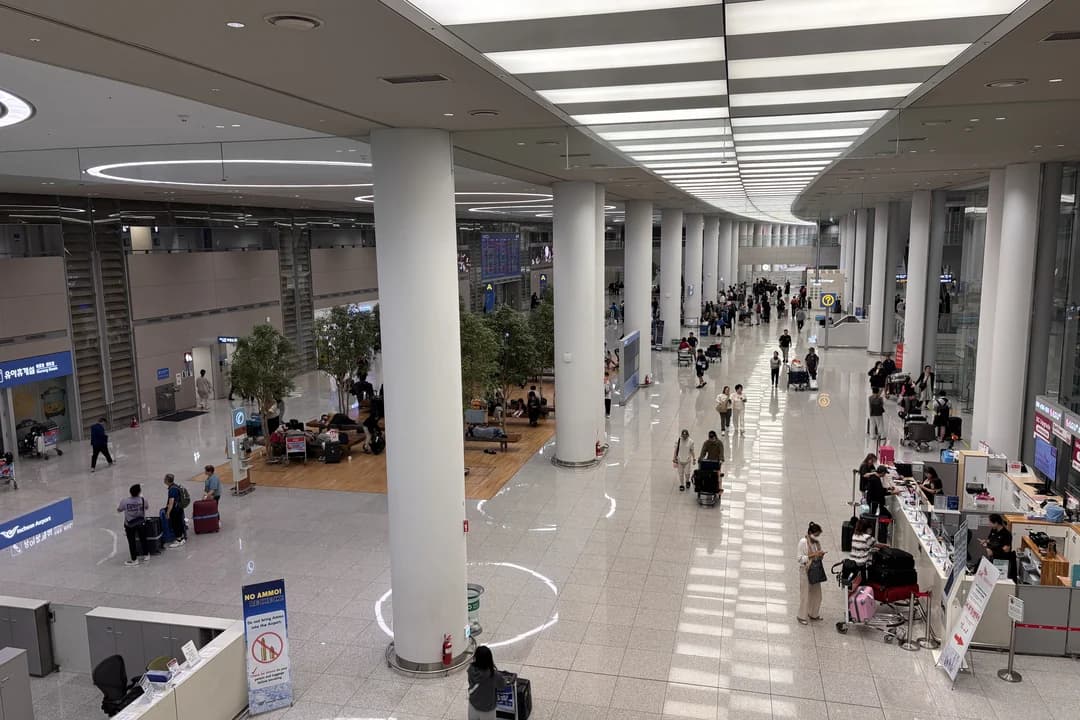
AREX has two services between Incheon Airport and Seoul Station. The express runs non-stop and takes about 43 minutes from Terminal 1 and 51 minutes from Terminal 2. The all-stop train takes about 59 minutes from Terminal 1 and 66 minutes from Terminal 2, and calls at Gimpo Airport, Digital Media City, Hongik University and Gongdeok (as of 2026-10-11). From Gimpo Airport the all-stop takes about 23 minutes to Seoul Station.
Fares (as of 2026-10-11): the all-stop train costs 4,750 won from Terminal 1 and 5,350 won from Terminal 2 to Seoul Station with a transit card, 1,550 won between Seoul Station and Hongik University, and 1,750 won between Seoul Station and Gimpo Airport. A single-use card adds 100 won. The express costs 13,000 won for an adult (12,500 won for members), 9,500 won for a child and for seniors and disabled passengers.
Express tickets can be booked up to 60 days ahead and no later than 20 minutes before departure, and a booking must be paid within 20 minutes. The gate opens 30 minutes before departure and you must be on the express platform at least 3 minutes before it leaves. The express timetable starts shortly after 05:00 and runs until close to midnight, so it also suits late arrivals.
The Seoul Station City Airport Terminal on the second basement level lets express passengers check in, drop bags and clear departure immigration in the city for same-day international flights from Incheon, between 05:20 and 19:00 for check-in and 05:30 to 19:00 for immigration. Check-in closes 3 hours before departure for Terminal 1 flights and 3 hours 20 minutes before for Terminal 2.
Apps and maps for the metro
Three apps with English route and transfer information are widely used: the Seoul Subway app, Metroid Korea Subway Info, and Subway Navigation by Kakao. They give you the route, the number of stops, the transfer station, the exit and the fare, and live train arrivals need a data connection.
Naver Map and Kakao Map are the maps that locals use, and both show subway routes with the exit number. Always check the exit number they suggest, and compare the route with the station map when you arrive. Free Wi-Fi is available at many subway stations, and a SIM card helps outside the stations.
Download offline maps and screenshot your route before you go underground, because signal can drop between stations. Keep the exit number and the name of the next transfer station on the screenshot so you can follow it without a connection.
Busan, Daegu and other cities
Busan has Lines 1 to 4, the Busan-Gimhae light rail and the Donghae line. Line 1 runs north-south through Busan Station, Seomyeon, Nampo and Beomeosa; Line 2 crosses the city east to west past Seomyeon, Gwangalli and Haeundae; Line 3 has 17 stations; Line 4 is a short rubber-tyred line with 14 stations.
The Busan-Gimhae light rail (21 stations) serves Gimhae International Airport and meets Line 2 at Sasang, so Gimhae Airport to Seomyeon is the light rail to Sasang and then Line 2 towards the east. Busan also sells one-day and three-day unlimited tickets, so ask for them at the ticket machine if you plan a busy sightseeing schedule.
Daegu has Lines 1 and 2 as ordinary metro lines and Line 3 as a monorail nicknamed “Sky Rail”. Daejeon and Gwangju each have one line. All of them accept the T-money card, are color-coded and use Korean and English signs, and each runs its own fares and transfer rules.
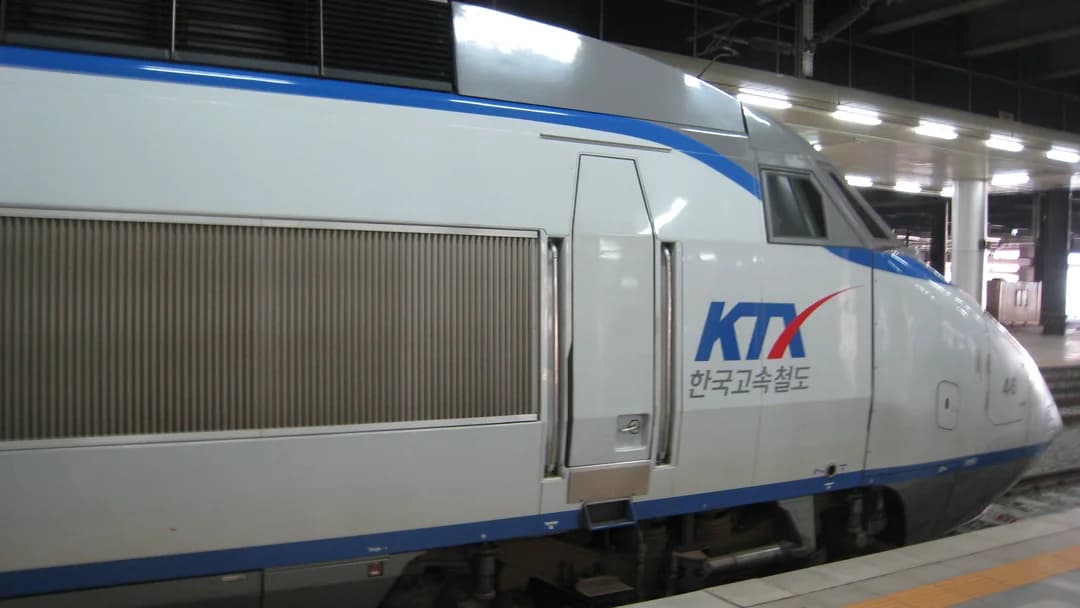
To go between cities, the KTX high-speed train from Seoul Station takes about two and a half hours to Busan, with the Busan Station metro stop right at the destination. Compare this with taxi or bus when you travel with big luggage, because the connection at the station can add 15 to 30 minutes.
Worked routes 1: airports and Seoul Station
- Incheon Airport to Myeongdong: take AREX (express about 43 minutes from Terminal 1, all-stop about 59) to Seoul Station, follow the signs for Line 4, ride towards Jinjeop for two stops through Hoehyeon to Myeong-dong, and use the exit numbers on the station map (as of 2026-10-11). From Terminal 2 add about 8 minutes.
- Incheon Airport to Hongdae: take the AREX all-stop train, no transfer, to Hongik University Station. It is two stops before Seoul Station, so the ride is shorter than the 59 minutes to Seoul Station. The same station is on Line 2 and the Gyeongui-Jungang line, which makes it a good base for Hapjeong, Sinchon and Digital Media City.
- Gimpo Airport to Seoul Station: AREX all-stop takes about 23 minutes and costs 1,750 won with a transit card (as of 2026-10-11). Gimpo Airport is also on Lines 5 and 9, the Gimpo Goldline and the Seohae line, so check which line the sign shows before you tap in.
- Gimpo Airport to Yeouido: take Line 5 or Line 9 from Gimpo Airport, with no transfer, because Yeouido Station is served by both. Line 9 has an express service that skips many stops, which makes it the faster pick if the express is waiting on the platform, and it also continues to the Express Bus Terminal.
- Seoul Station to Gyeongbokgung: take Line 4 to Chungmuro, change to Line 3 towards Daehwa and ride through Euljiro 3-ga, Jongno 3-ga and Anguk to Gyeongbokgung. Keep the exit number from the station map in mind, because the palace gate is a short walk from the station (as of 2026-10-11).
Worked routes 2: around the city and to Busan
- Myeongdong to Dongdaemun Design Plaza: take Line 4 towards Jinjeop, two stops through Chungmuro to Dongdaemun History & Culture Park, and use Exit 1 for the Design Plaza and park. The station is also on Lines 2 and 5, so it is a good place to change lines.
- Hongdae to Gangnam: Hongik University and Gangnam are both on Line 2, so you do not have to change. The loop has two directions, and the shorter way round goes through the southern part of the circle (Sindorim and Sadang), so choose the platform whose next stations are those.
- Hongdae to Itaewon: ride Line 2 one stop to Hapjeong, change to Line 6 and ride towards Sinnae to Itaewon. Hapjeong is where Lines 2 and 6 meet, and Itaewon is the station on Line 6 between Noksapyeong and Hangangjin.
- Gangnam to Jamsil (Lotte World Tower area): both are on Line 2, so ride the loop in the direction that lists Samseong and Jamsil as the next stations. Jamsil Station is also on Line 8, which is useful for the south-east suburbs.
- Busan Station to Haeundae: take Line 1 to Seomyeon, change to Line 2 and ride east towards Jangsan to Haeundae. If you arrive on the KTX from Seoul, the Busan Station metro stop is directly connected to the train station, so you can start this route without leaving the building.
Common mistakes
- Do not forget the second tap. On the subway you tap in and tap out, and on a bus you tap at the front and again at the rear door. Missing the exit tap leaves the trip unfinished and costs you the transfer discount or a larger charge.
- Do not leave without taking your single-use ticket to the deposit refund machine, and do not let a card run out at the gate: top it up at the machine before the trip, because a low balance stops you at the exit and you have to add money before you can leave.
- Do not choose the wrong exit or the wrong direction. Read the end station on the platform sign and the exit number on the map before you move, and do not hurry through a transfer without checking the line color. A few seconds of checking can save a long walk or a ride in the wrong direction.
- Do not plan the last train too tightly, do not block the door in rush hour with a large suitcase, and do not sit in the priority seats if someone who needs them is nearby. When the Shinbundang line or the airport railroad is on your route, expect an extra fare that the card calculates automatically.
Sources and last update
Last updated: 11 October 2026. Figures are as of the date shown.
Source: Korea Tourism Organization · Seoul Metro · T-money · Busan Transportation Corporation · Incheon Airport Railroad · Checked 11 Oct 2026
Written by HOLIDAY in its own words from official public information. This is not an official publication of the Korea Tourism Organization or any government body.
HOLIDAY refreshes this article regularly as fares, hours and event dates change.