

Prepare for Incheon Airport with a pet: cabin and terminal handling, Korea entry quarantine documents, microchip and rabies checks, and official contacts.
Moving through Incheon Airport
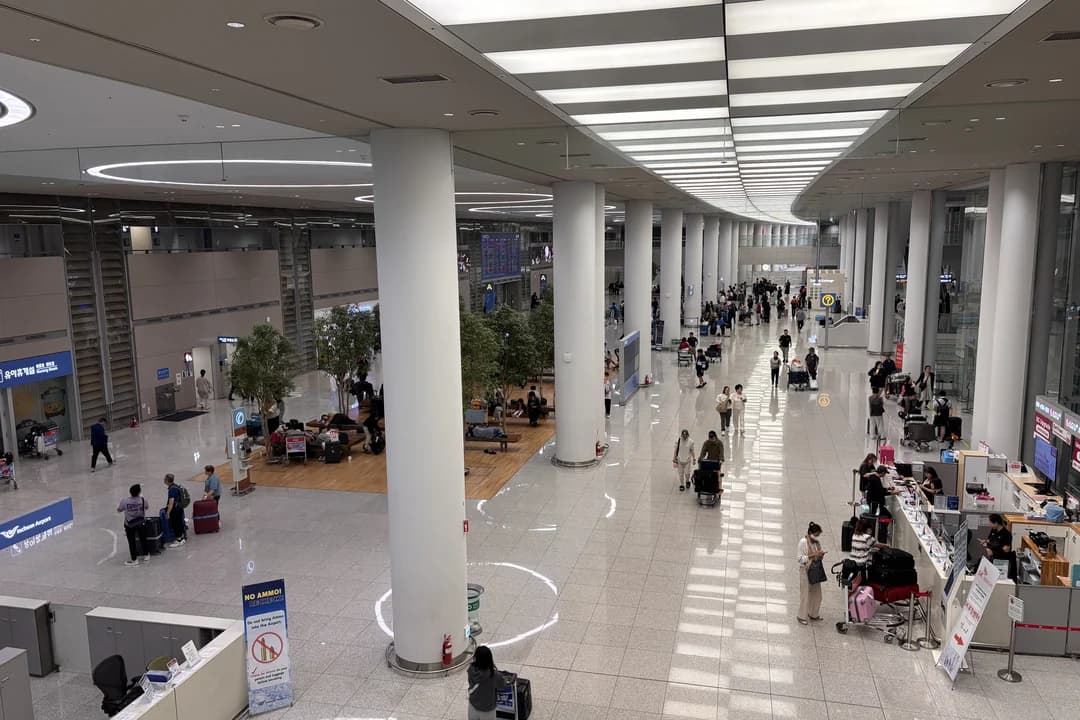
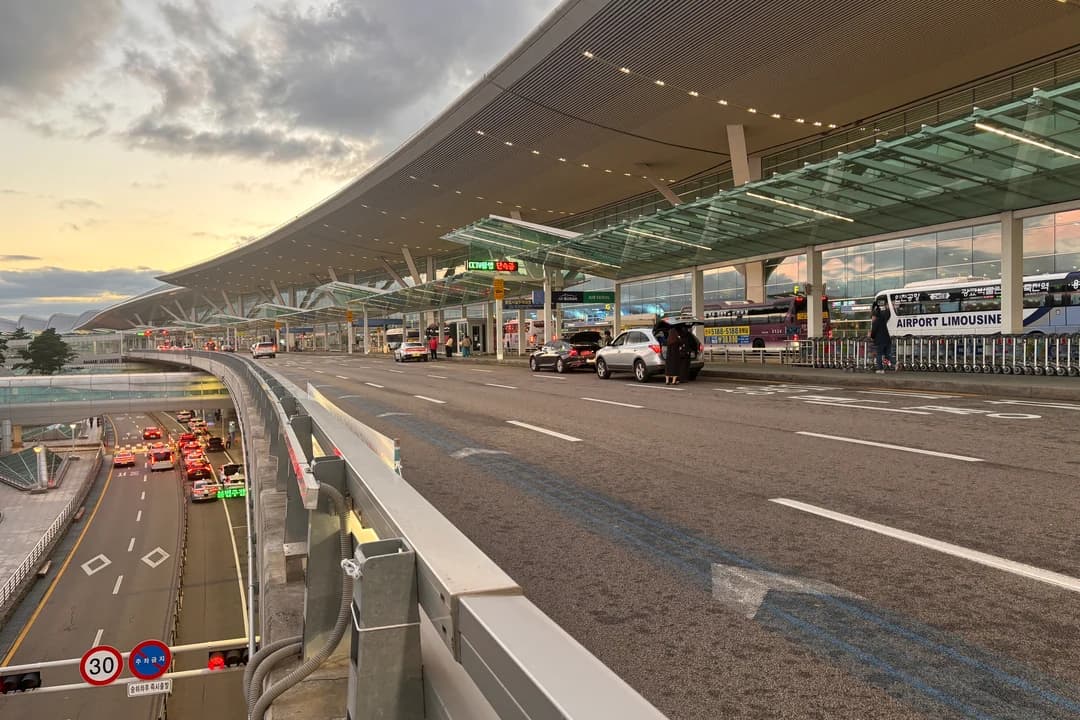
In indoor airport areas, Incheon Airport asks travelers to use a pet carrier. A short leash of about 50 cm or a pet stroller may be allowed when a carrier is impractical, but a carrier is recommended. Outdoors, pets may be on a leash of about 50 cm or in a stroller. Keep an identification tag showing the guardian’s name, contact details, and animal registration number. Collect waste promptly and keep your pet close to avoid disturbing other travelers. Guide dogs with the official assistance-dog marker are treated separately.
Check your airline’s rules for cabin or checked transport, carrier dimensions, advance booking, and required documents. The airport customer center is 1577-2600 (listed daily hours: 07:00–22:00).
Bringing a dog or cat into Korea
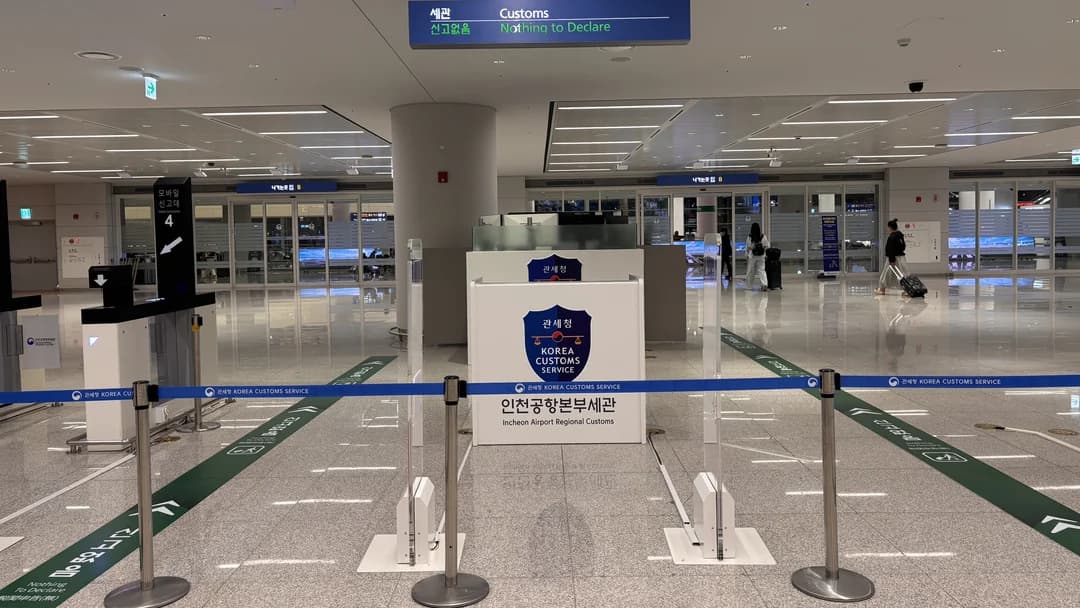
For dogs and cats arriving from overseas, the airport says to prepare a quarantine certificate endorsed by the exporting country’s government authority. On the aircraft, complete the quarantine declaration on the customs form. After landing, present the certificate to an animal quarantine officer before passing customs inspection. Missing documents can lead to return of the animal; incomplete certificate details may require quarantine detention.
Every dog and cat must have a readable microchip, and its number and age should appear on the official quarantine certificate. For animals aged 90 days or older from rabies-affected areas, Korea generally requires a rabies-neutralizing antibody result of at least 0.5 IU/ml, tested by the exporting government or an internationally recognized laboratory within 24 months before arrival. Animals under 90 days and those from officially rabies-free areas may be exempt from the antibody test, but still need a microchip and official certificate. Australia and Malaysia have additional requirements. Check the current country-specific rule with the Animal and Plant Quarantine Agency (APQA) before travel.
For arrival planning, use HOLIDAY’s Incheon flight page and airport crowd page.
Pet travel checklist
- Confirm import eligibility and country-specific rules with APQA before booking.
- Ask your exporting-country authority for the required official certificate.
- Check the certificate’s microchip, age, and rabies-test entries where applicable.
- Reserve pet transport with your airline and confirm the carrier specifications.
- Keep certificates, vaccination records, and contact details together in your carry-on.
- Declare the animal and present documents to quarantine staff before customs inspection.
Frequently asked questions
Q: Is a veterinary certificate always needed to enter Korea with a dog or cat? A: The airport says an official quarantine certificate from the exporting country’s government is required. Confirm the document format and any country-specific exceptions with APQA.
Q: Does every dog or cat need a rabies antibody test? A: Not every one. Animals under 90 days and those from officially rabies-free areas may be exempt, but a microchip and official certificate are still required for dogs and cats. Check the rule for your origin country and pet with APQA.
Q: Can my pet walk beside me indoors? A: The airport recommends a carrier indoors. A short leash of about 50 cm or stroller may be allowed when needed; use a carrier when possible and follow airport staff directions.
Q: Whom should I contact? A: For airport movement rules, call Incheon Airport at 1577-2600 (daily 07:00–22:00 as listed). For quarantine requirements, check APQA’s official pet-import guidance.
Sources
Incheon International Airport Corporation — Traveling with pets
Animal and Plant Quarantine Agency — Pet quarantine information and service portal
Animal and Plant Quarantine Agency — Dog and cat import quarantine guidance (PDF)
Korea Law Information Center — Import quarantine for animals, current guidance
Quarantine rules, documents, airline policies, and airport handling guidance may change. Check the airport, APQA, and airline’s official instructions before departure.