Everything a visitor needs to plan medical care in Korea in one place: how registration works, visas, interpreters, estimates and payment, tax, insurance facts, emergencies, aftercare and your rights. General information dated 2026-10-11; not medical advice or an offer of treatment.
About this guide
General information as of 2026-10-11, written by HOLIDAY in its own words from official sources. It is not medical advice and not an offer of treatment. Whether any treatment suits you, what it involves, its risks and its cost are decided between you and a licensed doctor, and they differ from person to person.
HOLIDAY does not diagnose, choose a doctor or a clinic for you, or promise any result. Rules, hours and arrangements below change from time to time; this guide is updated regularly and every dated statement says which day it refers to.
How medical travel to Korea works
Who is who, as of 2026-10-11. Medical Korea is the information portal for international patients, run by the Korea Tourism Organization (KTO) and the Korea Health Industry Development Institute (KHIDI). The Ministry of Health and Welfare registers the medical institutions and businesses that attract international patients and oversees them. Medical institutions treat you; some have an international healthcare center that handles foreign patients. Registered agencies may arrange bookings, travel and interpreting for a fee. Coordinators employed by hospitals take bookings and interpret.
The basic idea is the same for every field: you choose an institution, ask your questions, receive a written plan and estimate after a doctor has examined you, decide in your own time and keep records. This guide covers what is common to all fields; the ten department guides add the points that are specific to each field.
Ten fields, ten guides
HOLIDAY’s Medical tour series covers ten fields, each with its own guide: plastic surgery, dermatology, ophthalmology, dental, health screening, orthopedics and spine, Korean medicine, obstetrics, gynecology and fertility, ENT, and oncology and second opinions. Open a field to read how visitors usually prepare, what to ask in that field, the usual length of stay and what aftercare looks like.
Step by step: from first question to home follow-up
- Talk to your own doctor first: is traveling for this care suitable for you, can you fly, and how long might you need to stay?
- Look for institutions that are registered to serve international patients and write down their exact names, addresses and the department and doctor who would see you.
- Send your records and your questions to the institution’s international healthcare center. Replies before an examination are preliminary; the real plan is made after the doctor has examined you.
- Ask for a written plan, risks, recovery time, follow-up and an itemized estimate, in a language you understand. Take time to read and compare; a second opinion is normal.
- Work out the entry route: visa-free short stay or a medical visa, and the documents the institution must provide for it.
- Book only when the terms are in writing: what is included, what is not, deposit and cancellation rules, and the after-hours contact.
- Arrange flights with room to move, lodging near the institution, travel insurance that you have read, local transport and a companion if the doctor advises one.
- On arrival you are examined in person. The plan may be confirmed, changed or declined at this point; you are free to say no.
- Before you leave Korea, collect the discharge summary, test and imaging copies, a medicine list, written home-care instructions and the follow-up contact.
- At home, see your own doctor as agreed and hand over the records. Report anything that worries you early rather than waiting.
Registered institutions: what registration means
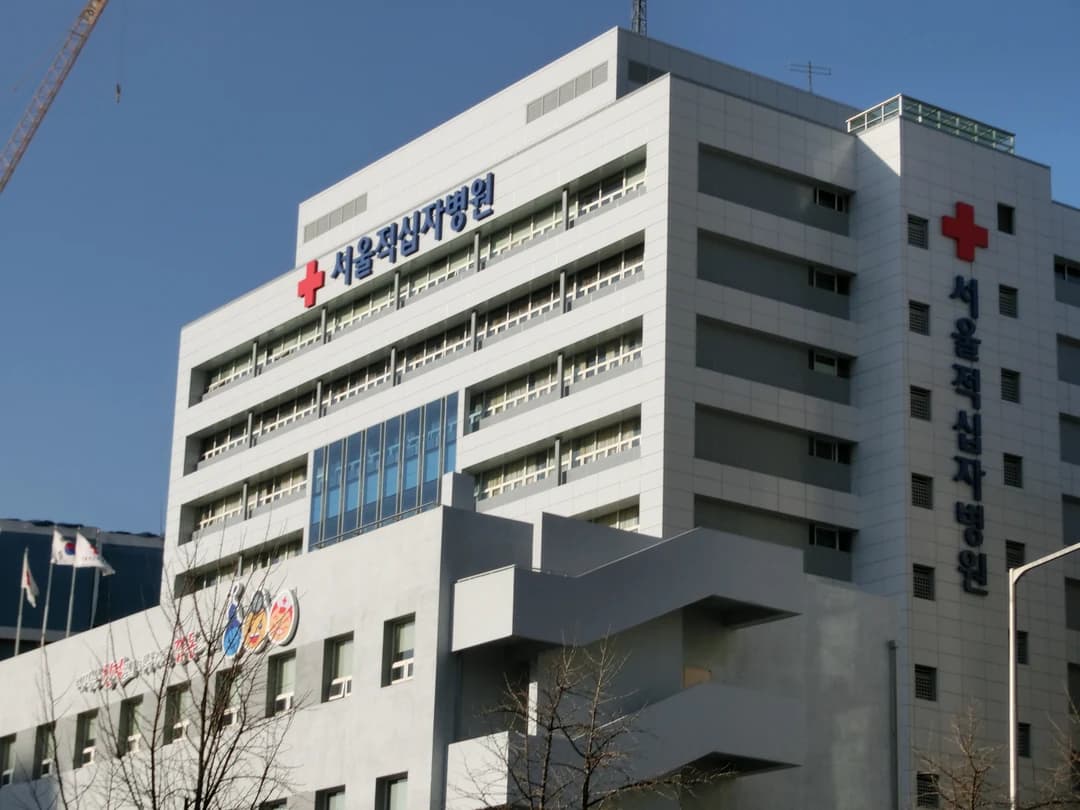
As of 2026-10-11: under the Act on Supporting Overseas Expansion of Medical Services and Attraction of International Patients, a medical institution that wants to attract international patients registers with the Minister of Health and Welfare. In the English text of the Act that HOLIDAY read, the conditions include at least one specialist doctor in each specialist department that seeks international patients, and medical malpractice liability insurance or membership of a medical indemnity mutual. A registration lasts three years and has to be renewed before it ends.
Registered institutions have duties towards you. They must display their registration certificate where patients can see it and tell international patients their rights. They must give patient-rights information in a foreign language, a summary of the diagnosis, the treatment methods and possible side effects, use a standard treatment agreement that includes a cost estimate, and explain how a medical-dispute procedure works. They must not charge excessive fees or use false information to attract patients, and their advertising must not mislead, for example with misleading comparison pictures.
Medical Korea, run by the Korea Tourism Organization and the Korea Health Industry Development Institute (KHIDI), keeps a register of these institutions (checked 2026-10-11). It can be searched by type of institution, such as tertiary general hospital, general hospital, hospital, clinic, dental clinic or Korean medicine hospital, by region and by name. Each entry gives the registration number, address and the contact of the institution’s international healthcare center. It does not list departments or interpreting languages, so ask the institution those two questions directly.
Registration means an institution has met the legal conditions to serve international patients. It is not a ranking, a quality grade or a recommendation, and it says nothing about whether a treatment suits you. A separate accreditation program also exists, so if you read “registered” or “accredited”, ask which one is meant.
Agencies, brokers and coordinators
As of 2026-10-11: the same Act lets a business that is not a medical institution register to attract international patients. In the English text HOLIDAY read, it must hold the insurance prescribed by the ministry, meet a minimum capital requirement and have an office in Korea. Attracting international patients without being registered is an offense, and Medical Korea’s own material says the system exists to keep illegal brokers out. Medical Korea also has a list of registered agencies.
Before you deal with an agency, ask for its registration certificate and number, the exact name of the institution and the doctor who will treat you, and a written contract that shows what you pay the agency and what you pay the institution. Pay into an account in the name of the institution or the registered business, never to a private person, and keep every receipt.
Many hospitals employ their own coordinators who take bookings, interpret, escort you between departments and pass on questions. A coordinator is not a doctor: ask who is allowed to answer medical questions, and put every medical question to the doctor, with an interpreter if needed. A friend, a salesperson or an agent should not be your only source when the subject is risks and consent.
Entering Korea for treatment: visas
As of 2026-10-11: many nationalities can enter Korea for a short stay without a visa, and the permitted number of days depends on the nationality. If your nationality is visa-free and your treatment and recovery fit within that period, you can usually enter on the ordinary short-stay basis; some nationalities must also obtain K-ETA authorization first (see the Entry guide). Check your own nationality’s rule before booking, because it decides whether you need a medical visa at all.
As of 2026-10-11, Medical Korea describes two medical-tourism visas. C-3-3 is the short-term one, for up to 90 days. G-1-10 is the long-term one, for up to one year, for people who will be treated or recuperate as inpatients at specialized medical institutions or rehabilitation facilities for 91 days or more. Within the short-term category, simple procedures, including cosmetic and plastic surgery, are listed for a treatment and travel period of 90 days or less. The patient’s immediate family, such as a spouse who helps with care or the patient’s children, may accompany the patient on a companion visa.
Two ways to apply, both at a Korean embassy or consulate. Direct application by the patient: (1) consult and book with the institution, (2) receive the reservation documents, (3) go to the consulate and apply, (4) receive the visa. Documents usually include the visa application form, a copy of the passport, a diagnosis document, a document from the Korean institution confirming the treatment or recuperation appointment, a statement of financial support, any other document the consulate asks for, and proof of the family relationship for companions.
Application through an institution or agency: the institution issues an invitation, applies online for a visa issuance certificate through the HUNET system, and the patient submits that certificate at the consulate. Documents usually include the confirmation application, a passport copy, one photograph, a document from the institution confirming the medical purpose and proof of the family relationship for companions. An invitation from an institution does not by itself mean a visa will be granted; the consulate decides.
If treatment runs longer than your permitted stay, tell the institution early: extending a stay or changing status is handled by the immigration service, and the Foreigner Information Center, 1345, can say where to go. See also the Visa guide and the Medical travel guide.
Documents to bring
Identity and entry: your passport (valid for the whole stay), the visa or K-ETA approval if one applies to you, the institution’s invitation or booking confirmation, and the address of your lodging in Korea. Keep a photo of each page on your phone and a paper copy in a separate bag.
Medical: a short summary letter from your own doctor in English if possible, your records and test results, scan images as files on a disc or drive, a list of current medicines with generic names and doses, your allergies, vaccination records and, where relevant, the details of any implant or device you carry. Bring a card for each condition that matters in an emergency.
Money and insurance: the written estimate and agreement, proof of any deposit, a payment card that works abroad, your insurance policy number and emergency contact, and the numbers in this guide saved offline. Keep digital copies where you can read them without a signal.
On the day at the hospital
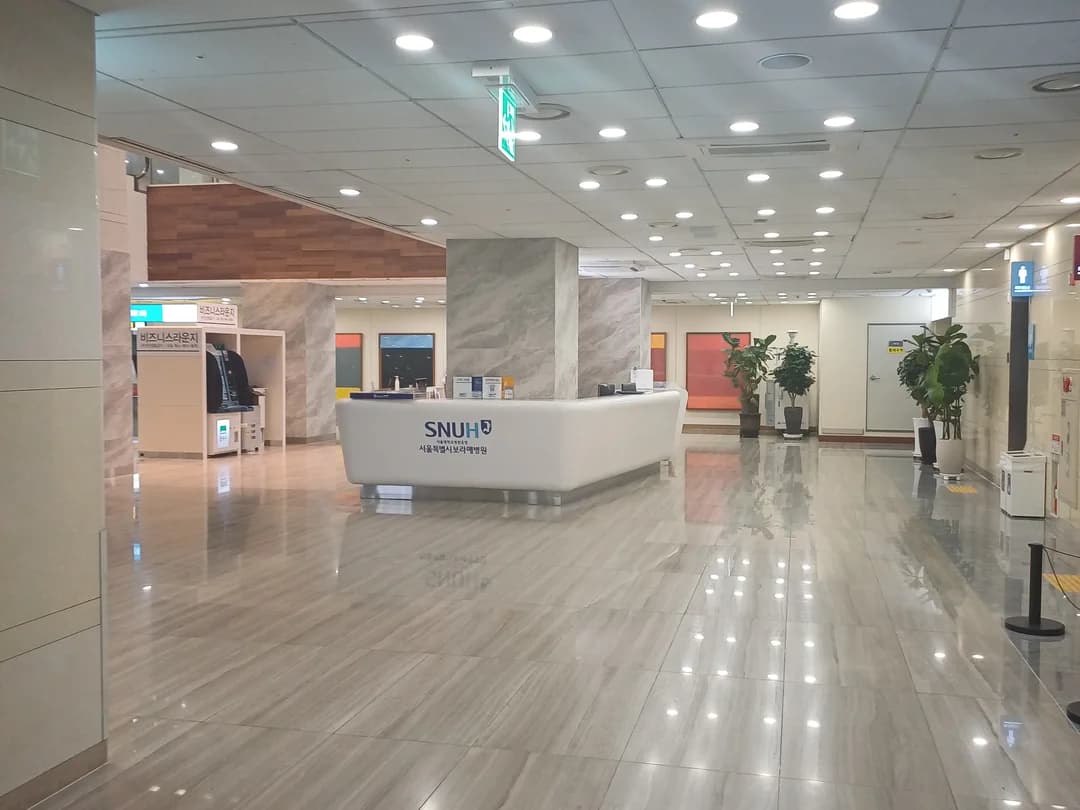
Arrive early. Bring your passport, the appointment details and your records. Hospitals usually ask foreign patients to register at reception, to fill in forms and to have the documents checked before they see the doctor. Staff may photocopy your passport and confirm your contact details in Korea.
Check that the interpreter you were promised is there, and ask for the consent form in your language before you sign. Ask the doctor to explain what is going to happen, in what order and what you will feel. Tell the doctor again about allergies, medicines and any change in your health since you booked.
Before you leave the building, make sure you have the receipt, the written instructions, the prescriptions, the next appointment and the after-hours number. Take a photo of them while you are still there.
Consultation requests, written estimates and payment
How a request usually works: you contact the international healthcare center of the institution (its contact is on the Medical Korea register) or a registered agency, send your records and your questions, and receive a reply. If photos or scans are requested, send only what is needed, ask how they are stored and that they are not used for marketing. A reply before an in-person examination is preliminary. A doctor who has not examined you cannot give a final plan, and a firm quote without an examination is a warning sign.
Ask for a written, itemized estimate. It should say what is included (consultation, tests, imaging, anesthesia, procedure, hospital stay, medicines, follow-up visits, interpreting, tax) and what is not, how long the estimate is valid, and what happens to the cost if the plan changes after the examination or if a complication needs more care. Under the Act, a registered institution’s standard treatment agreement is to include a cost estimate. Ask for deposit, cancellation and refund terms in writing before you pay anything.
Payment and receipts: pay at the institution’s counter or into an account in the institution’s own name, by a method that leaves a record, and ask for an itemized receipt and statement at each payment. Keep card slips. Ask for a diagnosis certificate, a copy of your records, prescriptions and a medical-expense statement, since your insurer or tax office at home may ask for them. If something on the bill does not match the estimate, ask for it to be explained before you pay.
Interpreters, coordinators and consent forms
As of 2026-10-11: Medical Korea’s hospital profiles carry an interpretation field that lists the languages a hospital offers, among them Chinese, Japanese, Vietnamese, English, Mongolian, Russian and Arabic, depending on the hospital. Ask the institution exactly which language, who interprets (a staff interpreter, a coordinator, a phone interpreter), whether the interpreter will be present for the examination, the explanation of risks and the consent, and whether interpreting is included or charged separately.
Consent is your decision. Ask for the consent form in your language before the day, with time to read it. Read every line, ask what each risk means in practice, and do not sign something you cannot read or have not understood. You can decide not to go ahead, and you can ask to stop. Keep a copy of everything you sign, and write down the questions you asked and the answers.
The Medical Korea Information Centers in Seoul (Seoul Station) and at Incheon International Airport Terminal 1 give consultation in English, Chinese and Japanese, and Russian at Incheon. As of 2026-10-11 the Seoul center is open daily 09:00 to 18:00 and the Incheon Airport center daily 09:00 to 21:00; the Medical Call hotline is 1577-7129 (+82-1577-7129 from abroad), daily 09:00 to 18:00. Hours can change, so use them as a guide on the day you plan to call.
Tax refunds and medical services
The tax refund for shopping purchases (see the Tax refund guide) is a different system from medical fees, and a shopping refund slip does not apply to a hospital bill.
As of 2026-10-11: a special tax arrangement began in April 2016 that let foreign visitors reclaim value-added tax on cosmetic and plastic procedures at designated institutions. It was set to run until 31 December 2025. Reports say it was not extended and that bills to bring it back were still under review in the National Assembly and had not become law. Because the position can change, do not assume that a refund will be available on your treatment date: ask the institution to state in writing, on your estimate, whether tax is included and whether any refund applies to you.
For other kinds of treatment, the official material HOLIDAY read describes no separate refund arrangement for visitors. Treat the amount you are quoted as your cost unless the institution tells you otherwise in writing.
Insurance: what applies to treatment in Korea
HOLIDAY is not an insurance agency. This guide does not sell, name, price or recommend any insurance product and makes no promise about what any policy covers. It only describes how the systems work, so that you can ask the right questions of your own insurer.
Two different kinds of insurance exist here, and the institution’s is not yours. As of 2026-10-11, a registered institution must carry medical malpractice liability insurance or belong to a medical indemnity mutual. That relates to the institution’s liability; it is not a policy that pays your own medical bills, travel costs or lost time.
Korea’s public health insurance is built around residents. As of 2026-10-11, the National Health Insurance Service’s English guide says foreigners registered with the immigration office who work at a covered workplace are enrolled compulsorily, and that foreigners and overseas Koreans who have stayed more than six months with a qualifying residence status are enrolled as regional subscribers. A short tourist or medical visit is not among the groups it describes. Plan to be billed as a visitor, and ask the institution to confirm in writing how you will be billed.
Your own cover: travel insurance and home health insurance often do not pay for treatment that was planned before the trip, or for complications that follow it. Before you book, ask your insurer in writing whether treatment abroad that you arranged in advance is covered, whether complications and an extended stay are covered, whether emergency transport home is covered, and what it needs from you for a claim. Read the Travel insurance guide.
Emergency or not: choosing the right route
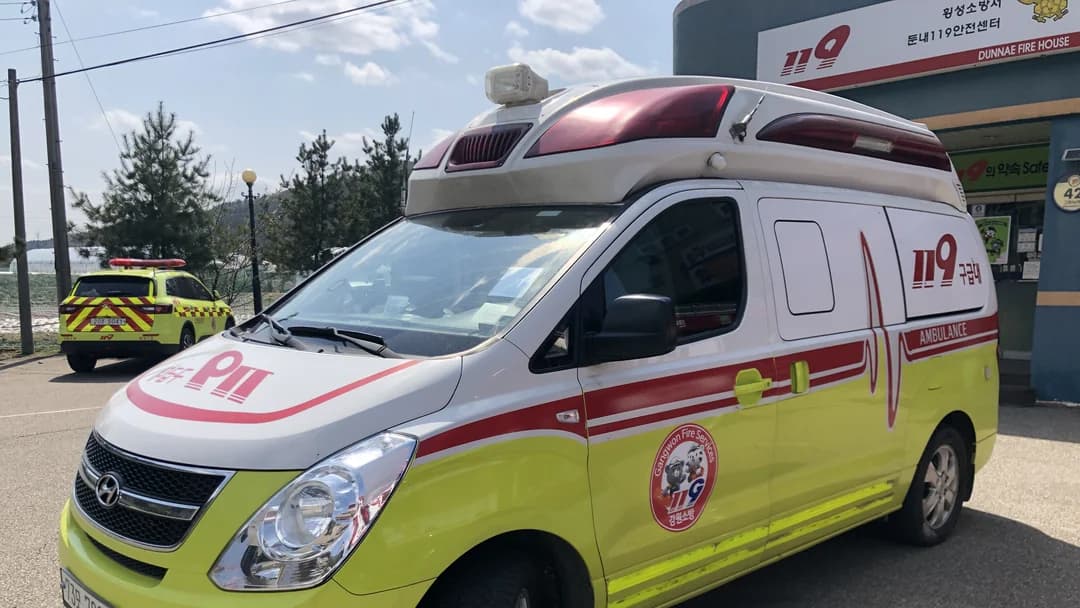
Emergency: sudden severe pain, heavy bleeding, difficulty breathing, chest pain, signs of a stroke, a severe allergic reaction, fainting or a rapidly worsening condition after treatment. Call 119 for an ambulance (112 for police) from any phone; say your language, your location and what happened, and the operator can bring in an interpreter. Do not wait for the treating clinic to call back and do not try to travel on your own. The ambulance crew decides which hospital to go to; tell them about your treatment, allergies and medicines.
Not an emergency but worrying (mild swelling you were told to expect, a question about a dressing, a medicine query): call the after-hours contact the institution gave you. If you cannot reach anyone in a reasonable time, or the symptoms get worse, treat it as urgent. For interpretation help with a non-emergency question, the Korea Travel Helpline, 1330, run by the Korea Tourism Organization, can help in several languages; it is not an emergency line. A pharmacy can help with a minor problem such as a mild headache.
Back home, the same rule applies: describe your treatment to the emergency doctor, show your discharge papers and medicine list, and ask your own doctor to contact the institution in Korea if needed. See the Emergency & SOS guide.
Records, medicines and flying home
Before you leave the institution, ask for: a discharge summary or treatment summary (in English if possible), the procedure or operation report if there was one, test results, imaging as files on a disc or drive and not only printed reports, a medicine list with the generic names and doses, details of any implant or device used, written home-care instructions, the date and place of any follow-up, and a named after-hours contact. Ask whether the summary can be sent to your own doctor directly.
Flying: ask the doctor whether and when you can take a long flight, because it depends on the treatment and on you; follow that advice, not a general rule. After some treatments, long periods of sitting, cabin pressure and dry air matter. Move and drink water as advised, allow extra time at the airport, keep medicines and records in your cabin bag, and tell the airline if you need assistance. An airline may have its own rules or ask for a doctor’s letter, so ask it early.
Medicines and customs: as of 2026-10-11, Korea Customs lists drugs and medicines that may be misused or abused among the goods to declare, and narcotics among restricted goods. Keep your own medicines in their original packaging with the prescription or a doctor’s letter, declare anything that needs declaring when you arrive, and remember that your home country has its own rules for bringing medicines, herbal products and implants or devices back in. Ask the institution for a letter that names what you carry.
Follow-up at home: book your own doctor’s visit before you leave, give them the records, and ask the institution in Korea whether it offers remote follow-up, who answers questions after you leave, and whether that is charged. Know in advance who pays for a complication that appears at home; get the answer in writing.
Your rights and where to turn if something goes wrong
Your basic rights as a patient: to have the diagnosis, the treatment, the possible side effects and the alternatives explained in a language you understand; to receive a written cost estimate; to get a second opinion; to refuse or stop; to ask for a copy of your records; and to be told the exact institution and doctor before you pay. Registered institutions are required by the Act to give patient-rights information in a foreign language and to explain how a medical dispute is handled.
Step 1, the institution: raise the problem with its international healthcare center in writing and keep a copy. Step 2, the Medical Korea Information Centers in Seoul and at Incheon Airport: as of 2026-10-11 they give consultation on complaints about using Korean medical institutions, on medical complaints and disputes (including support for taking a case to the dispute agency below) and on illegal brokerage, in English, Chinese and Japanese, and Russian at Incheon.
Step 3, the Korea Medical Dispute Mediation and Arbitration Agency: a public body set up under the Act on Remedies for Injuries from Medical Malpractice and Mediation of Medical Disputes, in force since April 2012. As of 2026-10-11, its counseling is free: by phone on weekdays from 09:00 to 12:00 and 13:00 to 18:00 (1670-2545), and through its internet form at any hour with a reply by the next business day. Mediation is started by a party to the dispute; a mediation committee investigates and drafts a settlement plan, and an agreement reached has the effect of a court settlement. If both sides agree in writing to be bound, the agency can arbitrate, and an arbitration award has the effect of a final judgment. The Ministry of Health and Welfare announced in 2012 a counseling line with three-way interpretation in 18 languages for foreign patients.
Keep a clear record from the first day: names, dates, what you were told, photographs of the area if relevant, receipts, the estimate and the signed forms. Disputes are easier to settle with documents than with memories. Acting early matters, so do not wait for months before you raise a concern.
Safety questions to ask before you commit
- Is the institution registered to serve international patients, and can I see the registration?
- Who exactly will examine and treat me: name, license and specialty? Will it be the same person throughout?
- What are the alternatives, including waiting or not treating, what are the risks and the usual recovery, and what happens if something goes wrong?
- Where will it be done, who gives any anesthesia or sedation, and which hospital handles an emergency?
- Which language will the consultation be in, who interprets, and can I have the consent form in my language before the day?
- Can I have the plan and an itemized estimate in writing, with deposit, cancellation and refund terms?
- How many visits are needed, over how many days, and when is a long flight suitable?
- Who do I call after hours, who answers questions after I fly home, and who pays if a complication needs more care?
- Can I get my records, images and a summary in English or my language, and can they be sent to my own doctor?
What to avoid
- Do not rely on posts, reviews or advertisements that promise a certain result or show one person’s outcome as typical. Every body and every case is different, and Korean law restricts misleading medical advertising to international patients.
- Do not pay a deposit to an individual, to an unregistered intermediary or to an account that is not in the institution’s name.
- Do not decide under time pressure, accept a plan fixed before anyone has examined you, or sign a form you cannot read.
- Do not travel against your own doctor’s advice, stop prescribed medicines on your own, or book a flight home for the day after treatment without the doctor’s agreement.
Common mistakes and quick answers
Mistake: arriving without records or a medication list. Mistake: not asking who the doctor is and which institution will treat you. Mistake: paying a deposit before the terms are in writing. Mistake: booking a flight home for the day after treatment. Mistake: assuming that your travel insurance covers a planned treatment.
Does HOLIDAY decide which clinic is right for me? No. You and a licensed doctor decide; HOLIDAY provides general information and a consultation channel through its medical tour service.
Do I always need a medical visa? No. If your nationality can enter without a visa and your treatment and recovery fit the permitted stay, the ordinary short-stay rules apply; the longer or more complex your care, the more likely a medical visa is needed. Is registration a quality grade? No: it shows an institution has met the legal conditions to serve international patients.
Where do I turn if something goes wrong? Start with the institution, then the Medical Korea Information Centers, then the Korea Medical Dispute Mediation and Arbitration Agency; the details are in the rights section above. In an emergency call 119.
Important notice
This guide is general information, not medical advice and not an offer of treatment. HOLIDAY does not choose a doctor or a treatment for you. Always follow your doctor’s advice. HOLIDAY is not an insurance agency and does not sell or recommend insurance.
Sources and last update
Last updated: 11 October 2026. Figures are as of the date shown.
Source: Medical Korea · Ministry of Health and Welfare · Korea Legislation Research Institute · Medical Korea Information Center · Korea Medical Dispute Mediation and Arbitration Agency · National Health Insurance Service · Korea Customs Service · Korea Visa Portal · HiKorea · Korea Tourism Organization · Checked 11 Oct 2026
Written by HOLIDAY in its own words from official public information. This is not an official publication of the Korea Tourism Organization or any government body.
HOLIDAY refreshes this article regularly as fares, hours and event dates change.