Destination briefing
Why travelers stop here
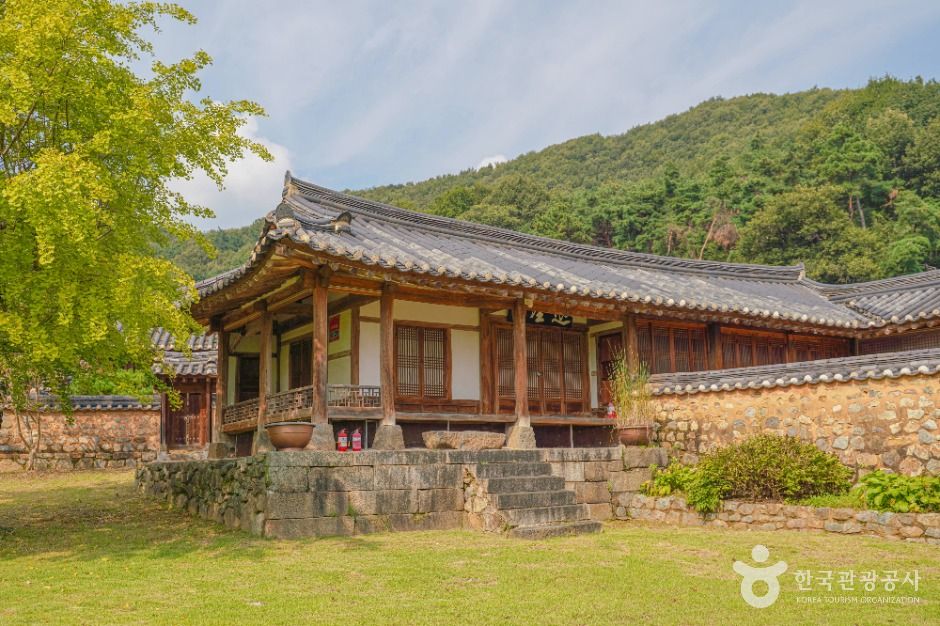
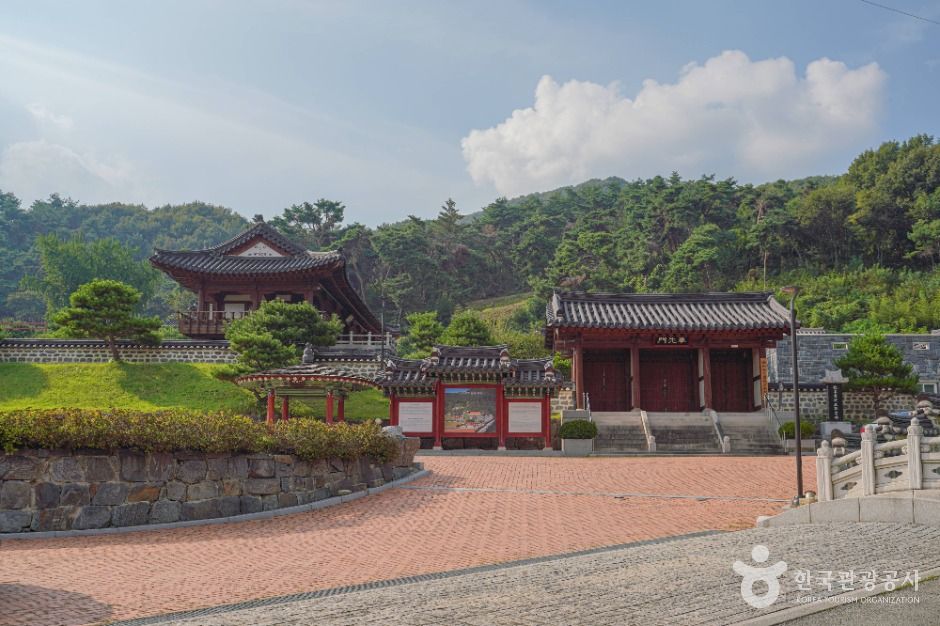
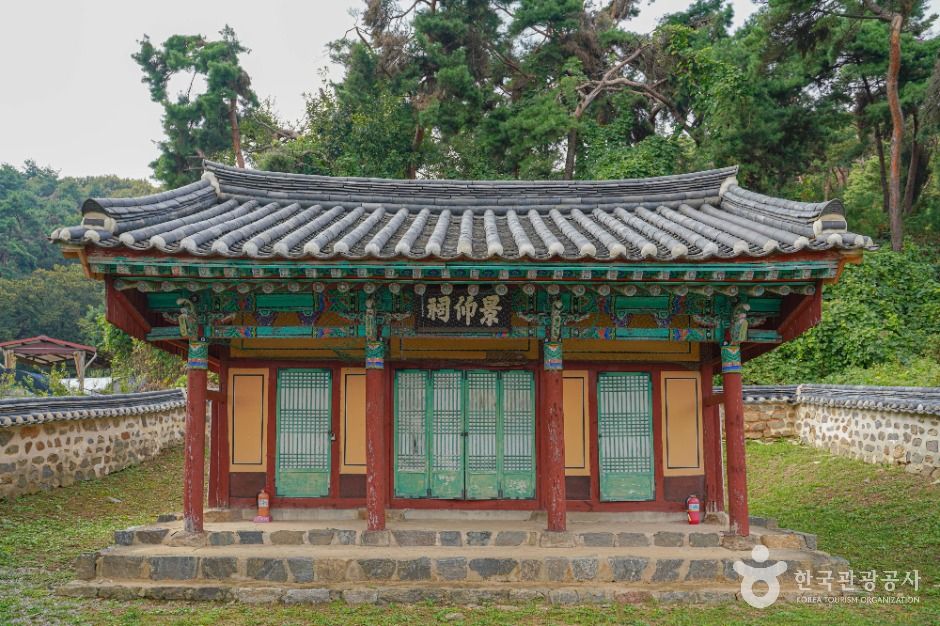
This Confucian academy was established in 1695 (the 21st year of King Sukjong's reign) to honor the loyalty and virtue of O Du-in (1624–1689), a civil official of the Joseon Dynasty who was implicated in the Gisa Sahwa (己巳士禍, Literati Purge of 1689) and died while in exile. In the 23rd year of King Sukjong's reign, the king bestowed the plaque 'Deokbong' (德峯), granting official recognition and support. It is one of the 47 Confucian academies nationwide that survived the abolition decree of 1871 (the 8th year of King Gojong's reign) without being demolished.
O Du-in passed the jinsa (licentiate) examination with top honors in 1648 (the 26th year of King Injo's reign) and placed first in the special civil service examination the following year, holding various official posts thereafter. In 1689 (the 15th year of King Sukjong's reign), after the deposition of Queen Inhyeon, he opposed it along with Yi Se-hwa and Park Tae-bo, and died in Paju while being exiled to Uiju. In 1694 (the 20th year of King Sukjong's reign), he was posthumously appointed as Yeonguijeong (Chief State Councilor) and given the posthumous title Chungjeong (忠貞).
OTA-ready stop
Built into inbound routes and day-tour planning.
Local context
경기도 안성시 양성면 덕봉서원로 529-8
Travel fit
Attraction · Gyeonggi-do


![[Early bird] Elysian Gangchon Ski Tour from Seoul (5 pick-up points)](/_next/image?url=https%3A%2F%2Fadmin.holidaykr.com%2Fapi%2Fadmin%2Fsystem%2Fbasic-settings%2Ffavicon%3Fpath%3D%252Fuploads%252Fproducts%252Fthumbs%252F750_1785201339504_file1.jpg&w=3840&q=75)