Destination briefing
Why travelers stop here
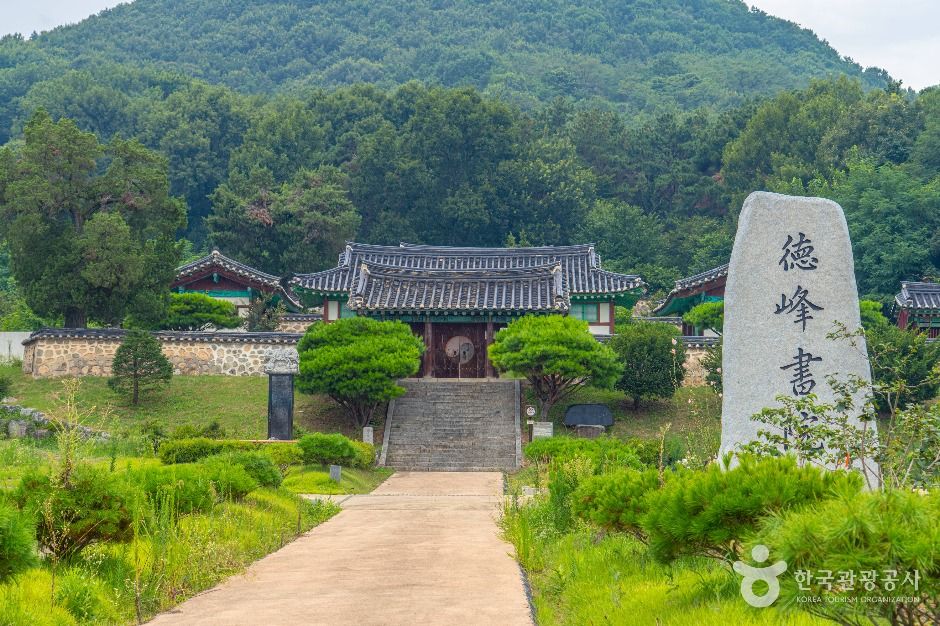
Yangseong Hyanggyo was first built in 1533 and rebuilt in 1774, but has undergone several repairs since then, taking on its current appearance. It has Myeongnyundang, an educational space, in the front, and Daeseongjeon, a ritual space, in the back. Additionally, there are Naesammun and Oesammun serving as entrances. Daeseongjeon has a size of 3 kan (bays) in the front and 3 kan on the sides, with a gable roof shaped like the Chinese character 人 (person) when viewed from the side. Myeongnyundang has a size of 5 kan in the front and 2 kan on the sides, with the central 3 kan having a wooden floor and the left and right 2 kan having ondol (underfloor heating). Unlike Daeseongjeon, its roof is a hip-and-gable roof shaped like the Chinese character 八 (eight) when viewed from the side. During the Joseon Dynasty, the state supported the school with land, slaves, and books to educate students, but now the educational function has ceased, leaving only the ritual function. Yangseong Hyanggyo exhibits the form of a small-scale hyanggyo (local Confucian school) from the late Joseon period, consisting only of Daeseongjeon and Myeongnyundang.
(Source: National Heritage Administration)
OTA-ready stop
Built into inbound routes and day-tour planning.
Local context
경기도 안성시 양성면 교동길 33-4
Travel fit
Attraction · Gyeonggi-do

![[Early bird] Elysian Gangchon Ski Tour from Seoul (5 pick-up points)](/_next/image?url=https%3A%2F%2Fadmin.holidaykr.com%2Fapi%2Fadmin%2Fsystem%2Fbasic-settings%2Ffavicon%3Fpath%3D%252Fuploads%252Fproducts%252Fthumbs%252F750_1785201339504_file1.jpg&w=3840&q=75)