Destination briefing
Why travelers stop here
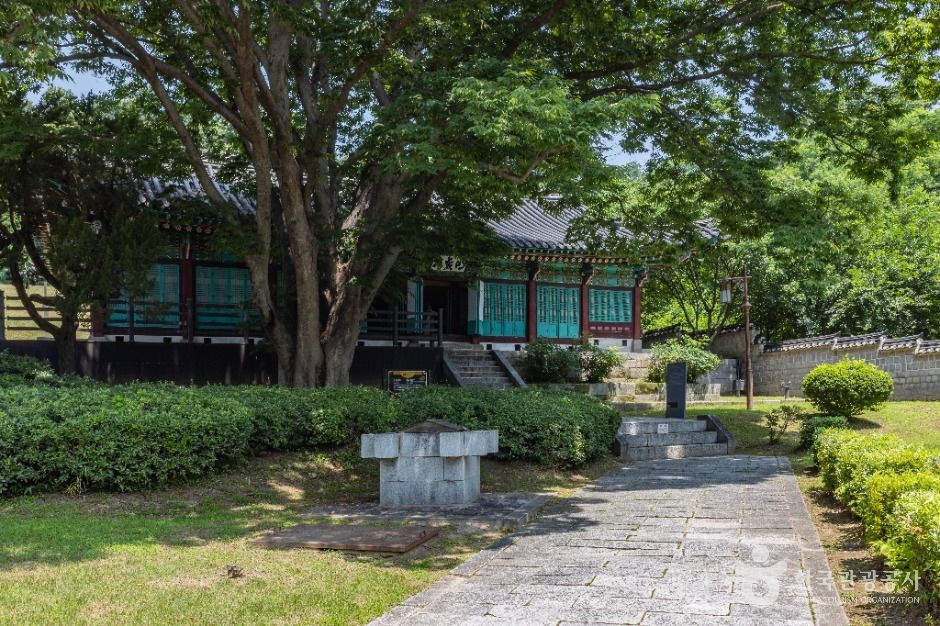
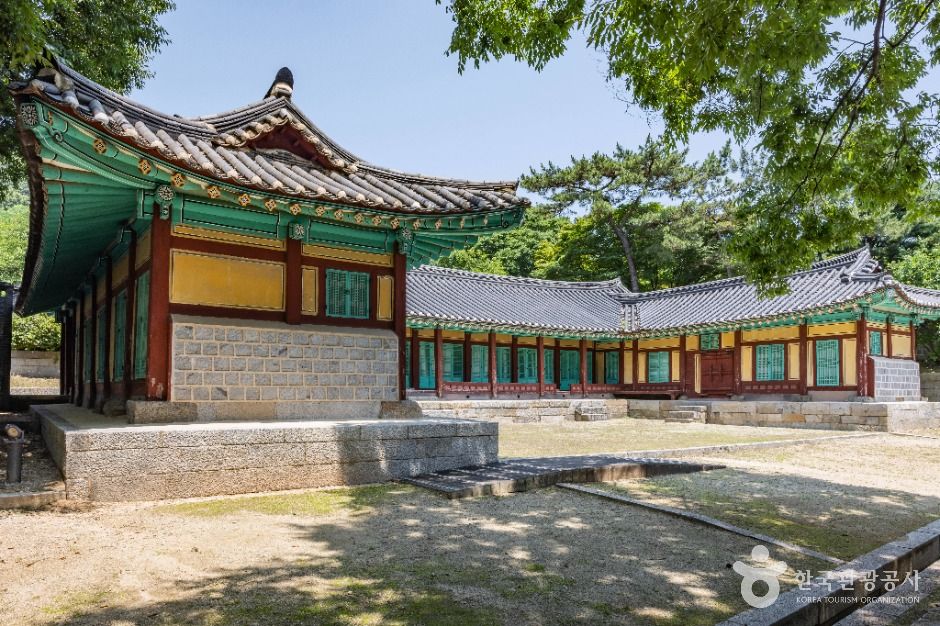
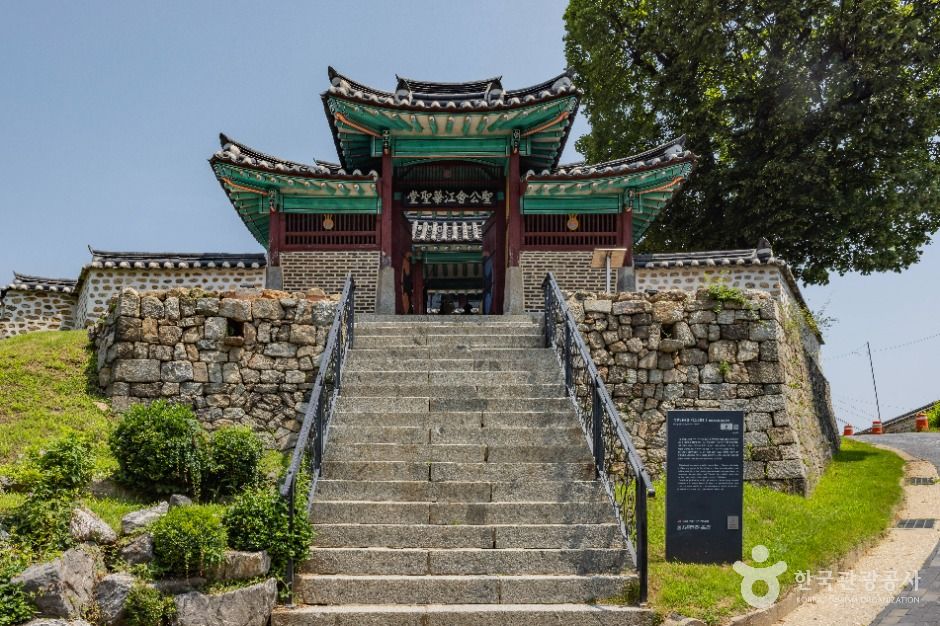
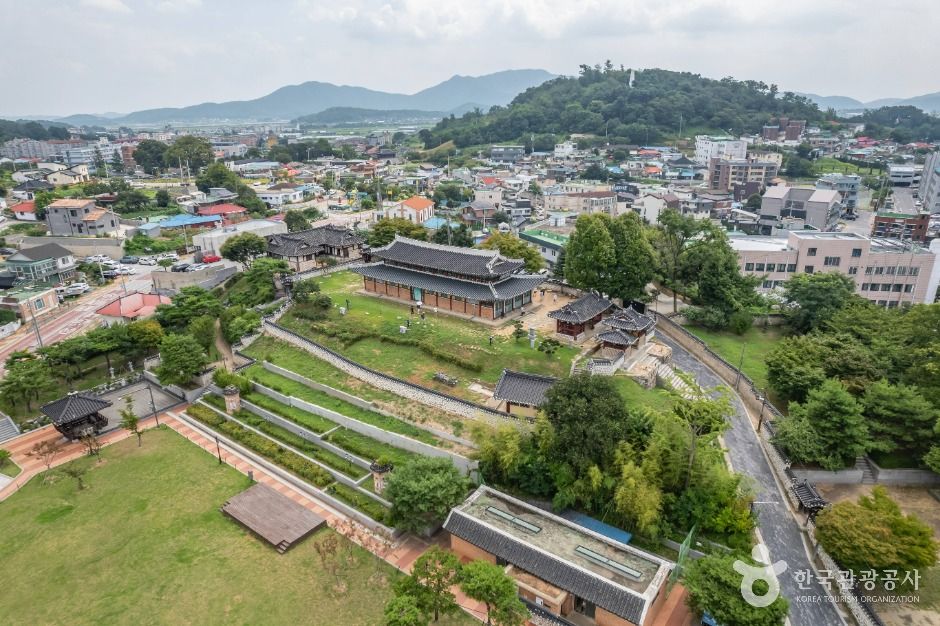
In the 19th year of King Gojong of Goryeo, the capital was moved to Ganghwa to resist the Mongol invasion. The site of this relocated capital is the Goryeo Palace Site, which was used for 39 years until the capital was moved back in the 11th year of King Wonjong. Although the Goryeo Palace Site is small in scale, it was built similarly to the Songdo Palace, and the name of the mountain behind the palace was also called Songak, reflecting the desire not to forget the system of the capital. During the Manchu invasion of 1636, Ganghwa Fortress fell to the Qing army. Afterwards, on the Goryeo palace grounds, there were Joseon palace buildings (including Jangnyeongjeon, Haenggung, Mallyeongjeon, Bongseonjeon, Oegyujanggak, Cheokcheonjeong, Sesimjae, etc.) and buildings of the local magistrate's office, but in 1866, during the French campaign against Korea (Byeonginyangyo), these buildings were destroyed by French forces. Currently, only the Dongheon (main office) and Ibangcheong (administrative office) of the magistrate's office remain. This site was repaired and cleaned in 1977 and is now used as a place for national education, conveying the spirit of independence and historical lessons of overcoming national crises.<br>
OTA-ready stop
Built into inbound routes and day-tour planning.
Local context
인천광역시 강화군 강화읍 북문길 42
Travel fit
Attraction · Incheon


![[Early bird] Elysian Gangchon Ski Tour from Seoul (5 pick-up points)](/_next/image?url=https%3A%2F%2Fadmin.holidaykr.com%2Fapi%2Fadmin%2Fsystem%2Fbasic-settings%2Ffavicon%3Fpath%3D%252Fuploads%252Fproducts%252Fthumbs%252F750_1785201339504_file1.jpg&w=3840&q=75)