Destination briefing
Why travelers stop here
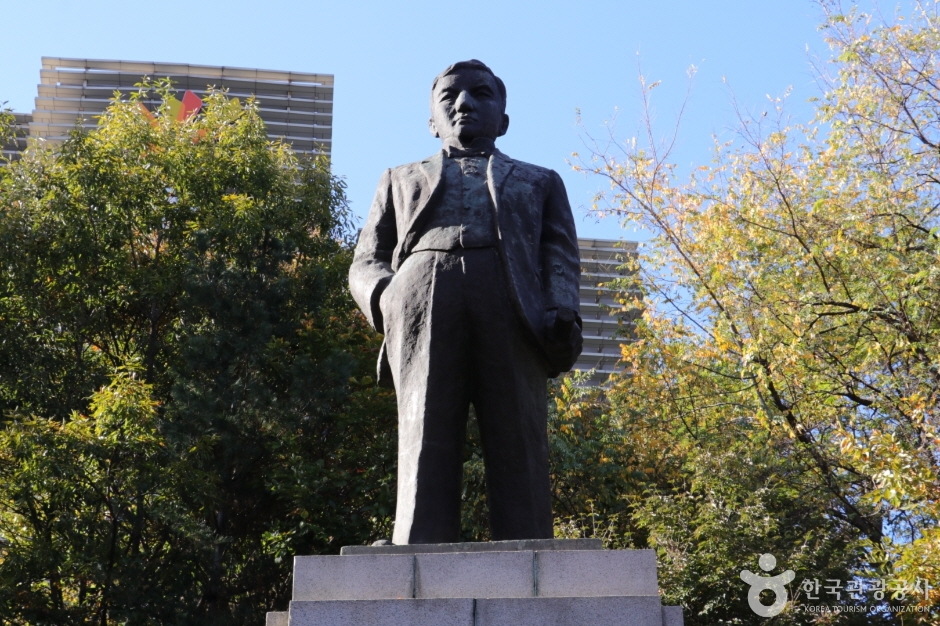
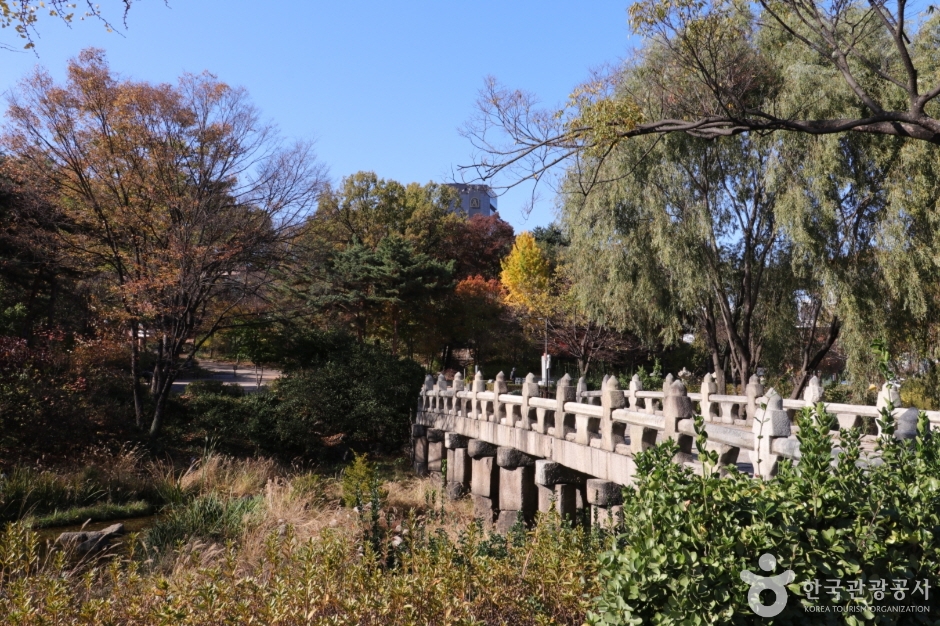
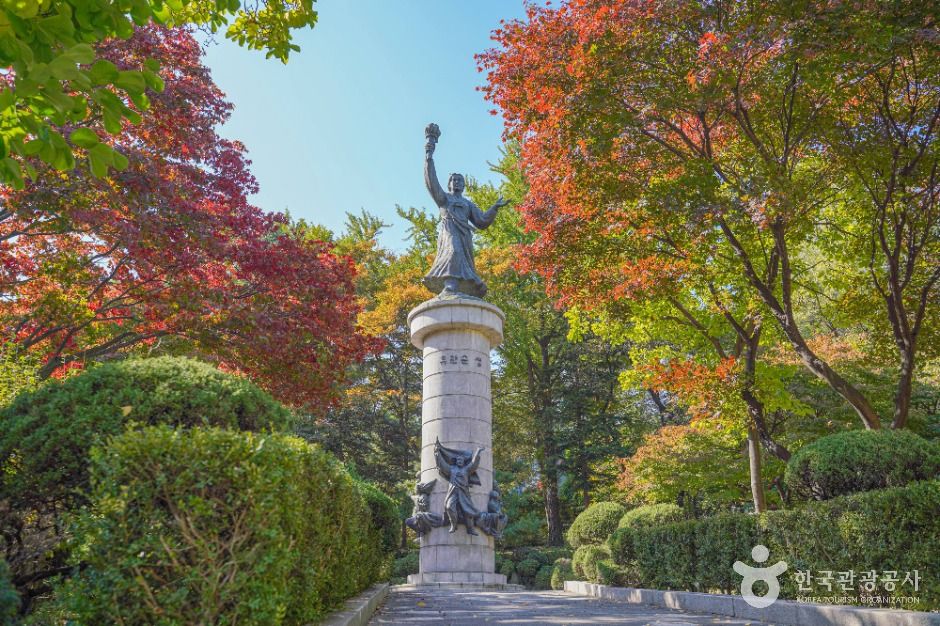
The Korean Confucian Independence Movement Paris Letter Monument commemorates the letter submitted to the World Peace Conference for Korea's independence. When the March 1st Movement occurred in 1919, Korean Confucian scholars submitted a letter appealing for Korea's independence to the World Peace Conference held in Paris, contributing to spreading the will for independence worldwide. To commemorate this, the monument was erected in Jangchungdan Park, Jung-gu, Seoul, with funds donated by the president and the public. The letter submitted to the World Peace Conference, known as the [Paris Letter], exposed Japan's usurpation of Korean sovereignty, argued the illegality of colonial rule and the legitimacy of Korea's independence, and widely publicized domestically and internationally that all classes and social groups in Korea desired independence. This letter, jointly signed by 137 Confucian representatives including Gwak Jong-seok and Kim Bok-han, was taken to Shanghai by Kim Chang-suk and then submitted to the Paris Peace Conference through Kim Kyu-sik. It was also distributed to representatives of various countries, foreign legations, and local Confucian academies across Korea. Japan harshly suppressed the Confucian scholars who participated in the [Paris Letter] movement, arresting and imprisoning them (the First Confucian Incident), and this event led the Confucian community to inherit the tradition of the late Joseon patriotic movement and actively participate in the independence movement. After the first monument was erected in Jangchungdan Park, additional monuments were built in various locations: 1977 in Geochang, Gyeongsangnam-do; 1997 in Daegu Wolgok History Park; 2008 in Jeongeupsa Park, Jeollabuk-do; and 2014 in Songrok Seowon, Bonghwa-gun, Gyeongsangbuk-do.
OTA-ready stop
Built into inbound routes and day-tour planning.
Local context
서울특별시 중구 동호로 257-8 (장충동2가)
Travel fit
Attraction · Seoul


![[Early bird] Elysian Gangchon Ski Tour from Seoul (5 pick-up points)](/_next/image?url=https%3A%2F%2Fadmin.holidaykr.com%2Fapi%2Fadmin%2Fsystem%2Fbasic-settings%2Ffavicon%3Fpath%3D%252Fuploads%252Fproducts%252Fthumbs%252F750_1785201339504_file1.jpg&w=3840&q=75)